Game Plan: Creative Promotional Giveaways for High-Impact Branding
The common wisdom says promotional giveaways are about slapping a logo on the cheapest item possible and hoping for the best. For years, that approach seemed to work - or at least nobody questioned it. Today, that advice is not just outdated - it's actively undermining brand perception and wasting budget.
Here's the thing. I've watched companies spend thousands on creative promotional giveaways only to see those items end up in desk drawers or worse, trash bins, within days. The fundamental mistake? Treating promotional items as disposable advertising rather than genuine gifts that people actually want to keep. The brands winning today understand something crucial: a promotional item that gets used daily creates more impressions than a billboard seen for three seconds on a highway. And the cost per impression? It's basically incomparable.
This game plan breaks down exactly what's working right now in promotional gifting - the products making real impact, the strategies driving emotional connection, and the customization techniques separating forgettable swag from coveted collectibles.
Key Takeaways:
- The "logo-slapped trinket" is dead. To win, a promotional item must solve a daily problem. Brands are seeing a higher ROI on premium tech accessories (like fast-charging power banks) and high-end drinkware because these items earn a permanent spot in a recipient's life, generating daily brand impressions that outlast any billboard.
- Recipients can now spot "greenwashing" from a mile away. Impactful gifting focuses on items with a tangible story, such as products made from recycled ocean plastic, compostable phone cases, or seed-embedded notepads. When a gift aligns with a recipient's environmental values, it creates a deep emotional connection to the brand.
- The trend has moved toward subtle, sophisticated branding. Massive logos make items look like walking advertisements, leading people to toss them. Using "quiet" techniques - like tone-on-tone colors, blind debossing, or placing logos in discreet locations - makes the item feel like a premium retail product that people are proud to use in public.
- Promotional products are no longer static objects; they are gateways to digital experiences. By embedding NFC technology or thoughtful QR codes, brands can turn a physical gift into an interactive portal for exclusive content, loyalty programs, or AR experiences. This allows companies to track engagement and measure ROI more accurately than ever before.
- A single random item feels like an afterthought, but a curated experience kit (e.g., a "Monday Morning Survival Kit") feels like a genuine gift. By focusing on the unboxing experience - using magnetic closures, textured paper, and personalized notes - brands trigger the psychological principle of reciprocity, turning a simple giveaway into a lasting relationship milestone.
Top Creative Promotional Giveaways Making High Impact
Tech-Forward Smart Gadgets and Accessories
Smart gadgets have moved far beyond the novelty phase. The promotional items generating genuine excitement are those solving actual problems in people's daily tech lives. I'm talking about compact wireless charging pads that actually work with all devices, Bluetooth item trackers that integrate with major ecosystems, and portable power banks with fast-charging capabilities that don't feel like carrying a brick.
What drives me crazy is seeing brands still distribute USB drives. Cloud storage killed that need years ago. The real opportunity lies in unique promotional items like smart device sanitizers (still relevant post-pandemic), wireless earbuds with decent sound quality, and desk-mounted phone stands with integrated charging. These aren't gimmicks. They're daily essentials.
The key differentiator? Build quality. A wireless charger that stops working after a month creates negative brand association. Spending slightly more for reliable tech accessories pays dividends in long-term brand impressions and positive word-of-mouth.
Wireless 5000mAh Aluminum Power Bank

Sustainable and Eco-Conscious Products
Sustainability in promotional products has finally evolved past the greenwashing phase. Recipients now recognize authentic eco-conscious items versus those merely labeled "green" for marketing purposes. The popular promotional giveaways leading this category include reusable beeswax wraps, bamboo utensil sets, seed-embedded notepads that grow into plants, and solar-powered accessories.
But here's where it gets interesting. The most impactful sustainable gifts combine environmental consciousness with genuine utility:
- Recycled ocean plastic products - items with a tangible story about where materials originated
- Upcycled leather goods - premium feel with sustainability credentials
- Compostable phone cases - protecting devices while reducing landfill contribution
- Reusable produce bags - addressing single-use plastic at the source
The emotional connection here runs deep. When someone uses an ocean plastic pen, they're reminded of both the brand and their own contribution to environmental solutions. That's a powerful psychological combination.
Personalized Experience Kits and Curated Collections
Single-item giveaways are losing ground to thoughtfully curated collections that tell a story. Think of it like this: receiving one nice chocolate is pleasant, but receiving a curated box with locally-sourced treats, a tasting guide, and pairing suggestions creates a memorable experience. The difference in cost might be modest, but the difference in impact is substantial.
Customized corporate gifts packaged as experience kits have exploded in popularity. Work-from-home wellness kits, coffee or tea exploration sets, DIY cocktail kits, and artisanal snack boxes create moments recipients share on social media - extending brand reach organically.
The critical element? Curation quality. Random items thrown together feel cheap regardless of individual item value. Kits with a clear theme and complementary components feel intentional and generous. One brand I worked with created "Monday Morning Survival Kits" with premium coffee, a motivational notebook, and a high-quality pen. Simple concept. Recipients loved them.
Wellness and Self-Care Promotional Items
The wellness category has matured significantly beyond basic stress balls and branded yoga mats. Today's best corporate giveaways in this space address specific wellness needs: blue-light blocking glasses for screen-heavy professionals, aromatherapy diffusers with essential oil sets, meditation cushions, and premium sleep masks with adjustable straps.
What separates amateur wellness gifts from professional ones is attention to detail:
|
Basic Approach |
Premium Approach |
|---|---|
|
Generic stress ball |
Acupressure massage ring with carrying case |
|
Basic water bottle |
Insulated bottle with hydration tracking markers |
|
Single tea bag samples |
Curated wellness tea collection with brewing guide |
|
Branded yoga mat |
Travel yoga set with resistance bands and guided practice card |
The psychological association between wellness gifts and caring brands creates lasting positive impressions. When a company gifts items supporting health and self-care, recipients perceive genuine concern for their wellbeing - not just advertising.
Premium Quality Drinkware and Tumblers
Sounds simple, right? Drinkware has been a promotional staple for decades. But the category has bifurcated dramatically. Cheap plastic bottles scream "trade show afterthought" while premium insulated tumblers with thoughtful design command daily use and genuine appreciation.
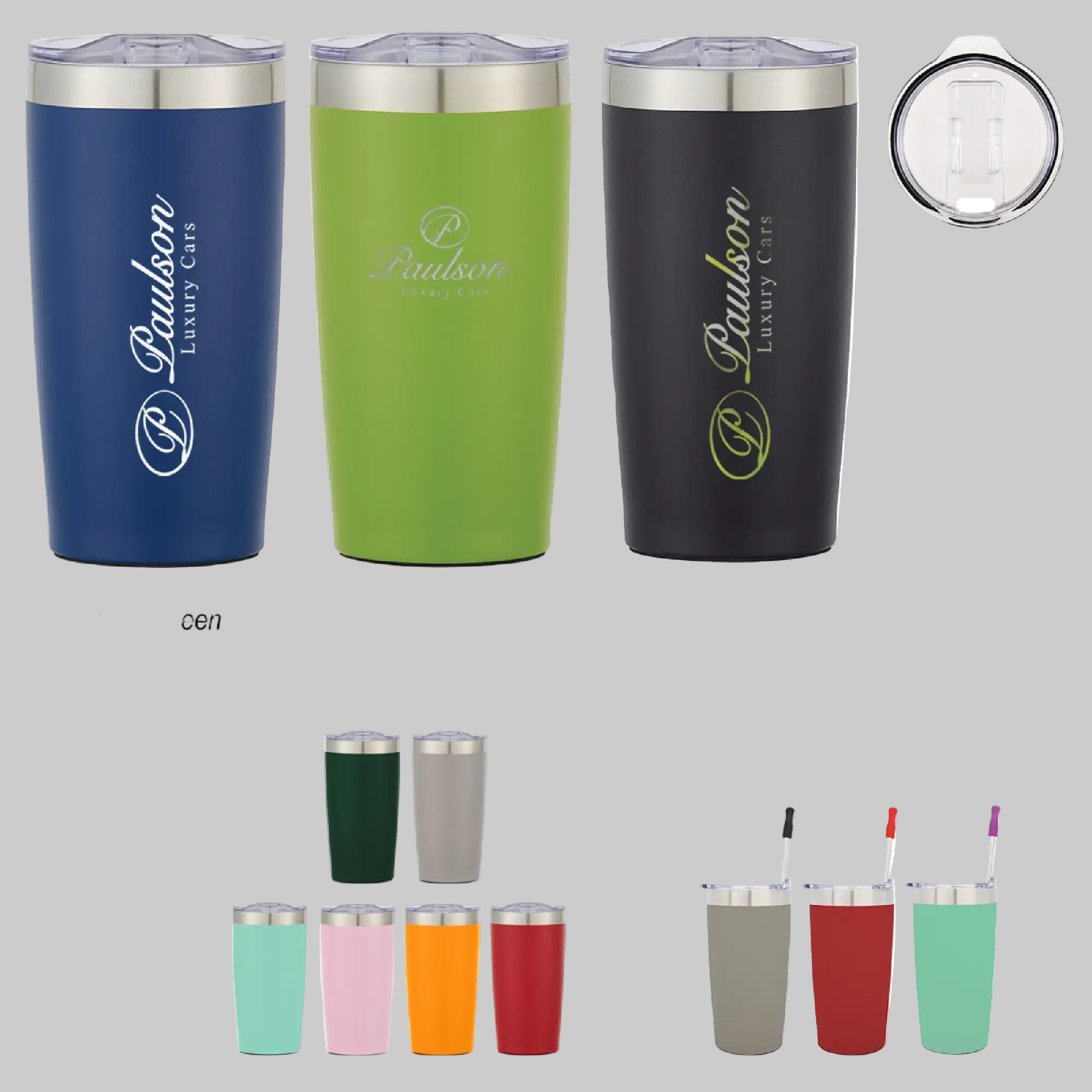
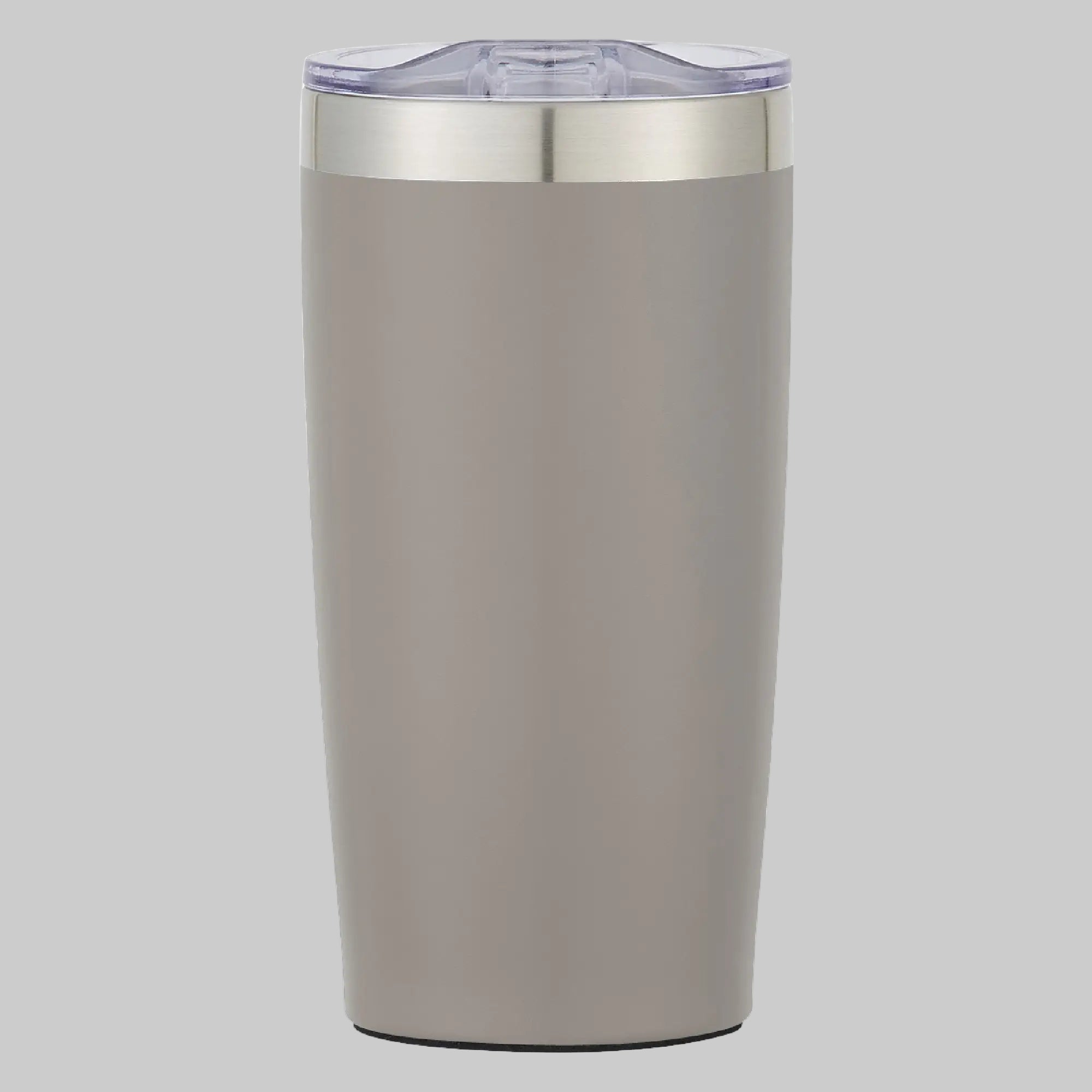
The brands dominating this space focus on features that matter: vacuum insulation that actually keeps drinks cold for 24 hours, leak-proof lids that survive being thrown in bags, and powder-coated finishes that resist scratching. Unique corporate gifts in drinkware now include smart bottles tracking hydration, self-cleaning UV-C technology, and collapsible designs for travelers.
Honestly, the only thing that really matters in promotional drinkware is whether recipients choose to use it daily over alternatives they already own. If the answer is yes, the brand gets hundreds of impressions monthly. If no, it was wasted money regardless of how nice the logo looked.
Strategic Implementation for Maximum Brand Impact
Choosing Products That Align With Brand Values
There's a disconnect I see constantly: tech companies distributing items that feel stuck in 2010, sustainability-focused brands giving plastic trinkets, luxury brands choosing budget items to save costs. This misalignment damages brand perception more than most marketers realize.
The alignment framework that actually works focuses on three questions:
- Does this item reflect how we want to be perceived? - A financial services firm giving cheap items signals they might cut corners elsewhere too.
- Would our ideal customer actually use this? - Knowing your audience demographics and preferences matters more than following trends.
- Does receiving this create positive emotional association? - The feeling when opening the gift translates directly to brand sentiment.
Don't even bother with items that fail any of these tests. The cost savings from choosing cheaper alternatives evaporate when factoring in wasted impressions and potential brand damage.

Creating Multi-Sensory Unboxing Experiences
The real change in promotional gifting happened when brands started treating packaging as part of the gift itself. I remember the first time I received a corporate gift with magnetic closure boxes, tissue paper layering, and a handwritten note. The actual item was modest - a nice pen - but the experience felt luxurious.
Multi-sensory unboxing engages sight, touch, and sometimes even smell:
- Visual impact - Custom printed boxes with brand colors, ribbon details, branded tape
- Tactile elements - Textured papers, soft-touch coatings, quality tissue wrapping
- Scent opportunities - Subtly scented paper inserts or natural wood components
- Sound considerations - The satisfying click of magnetic closures, the rustle of quality paper
This isn't about excessive spending. A thoughtfully designed sleeve or wrap elevates perception without massive cost increases. The key is intentionality - every element should feel considered.
Leveraging Subtle Branding and Quiet Luxury Design
Let's be honest, we've all been burned by gifts with obnoxiously large logos that make items look like walking advertisements rather than quality products. The quiet luxury movement has changed expectations. Recipients now prefer subtle branding they're not embarrassed to use publicly.
Best practices for branding placement:
- Debossed or embossed logos rather than printed - creates premium texture without visual loudness
- Interior placement - logos inside bags, on packaging rather than products themselves
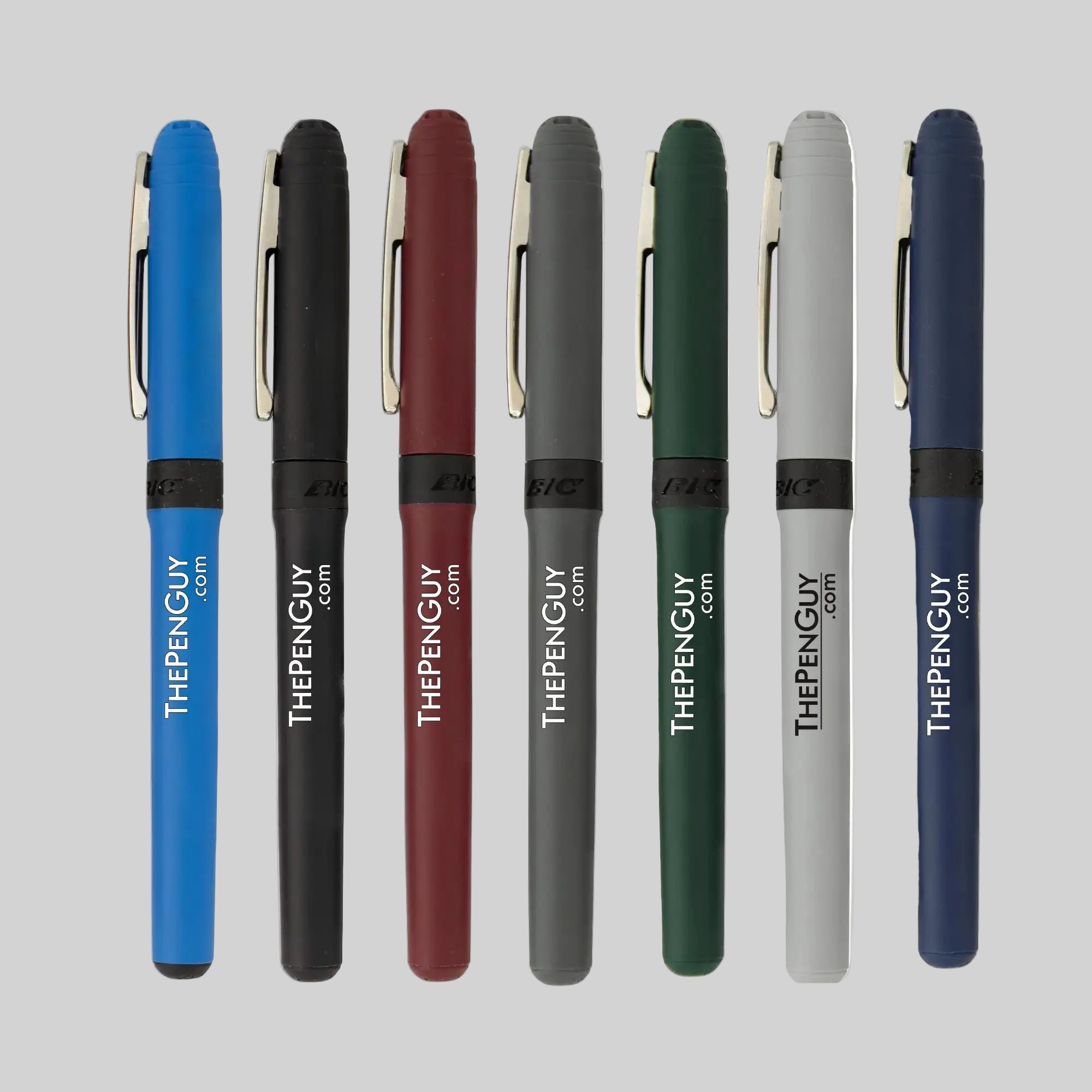
- Tone-on-tone coloring - matching logo color to product color for subtle presence
- Small scale positioning - modest logo sizes in tasteful locations
The irony? Subtle branding often creates more brand recognition than loud alternatives. When items feel like premium products people choose to use rather than obvious advertising, usage rates climb dramatically and so do impressions.
Building Emotional Connections Through Thoughtful Gifting
Promotional gifting at its best triggers the psychological principle of reciprocity - receiving something valuable creates desire to give back through loyalty, engagement, or purchase. But this only works when gifts feel genuine rather than transactional.
The emotional connection formula involves three components:
- Relevance - The gift addresses actual needs or interests of the recipient
- Surprise - Unexpected gifting moments create stronger emotional responses than expected ones
- Personalization - Even small personal touches (handwritten notes, name customization) dramatically increase perceived value
Think of it like building a relationship. Nobody wants to feel like just another number in a marketing campaign. The brands creating genuine connection through promotional items treat each gift interaction as a relationship-building opportunity rather than an advertising placement.
Unique Customization Techniques and Personalization Strategies
Advanced Printing and Embossing Methods
The single most frustrating part of promotional products is seeing great items ruined by poor execution on branding. A beautiful leather journal with a poorly aligned, cheap-looking pad print screams "we didn't care enough to do this right."
Current printing and finishing techniques worth the investment:
|
Technique |
Best Applications |
Impact Level |
|---|---|---|
|
Blind debossing |
Leather goods, premium paper products |
High-end subtle |
|
Foil stamping |
Packaging, notebooks, gift boxes |
Luxurious attention-grabbing |
|
Laser engraving |
Metal items, wood products, glass |
Permanent premium |
|
UV printing |
Full-color detailed designs on various surfaces |
Vibrant versatile |
|
Soft-touch coating |
Packaging, device accessories |
Tactile premium |
The week after we switched from standard screen printing to laser engraving on our metal products, client feedback changed completely. The quality perception shifted from "nice promotional item" to "something I'd actually buy." That's the threshold worth crossing.
Digital Integration With QR Codes and NFC Technology
Physical promotional items now bridge seamlessly to digital experiences. This isn't about slapping QR codes everywhere - that feels dated. It's about thoughtful integration creating value beyond the physical item.
NFC (Near Field Communication) technology embedded in products enables tap-to-access features: exclusive content, warranty registration, product origin stories, AR experiences, and loyalty program integration. A branded tumbler becomes a portal to brewing guides. A corporate notebook connects to digital productivity resources.
But what does this actually mean for your budget? Digital integration adds modest costs per item but dramatically extends engagement duration. A single promotional item transforms from a one-time impression to an ongoing relationship touchpoint. The analytics possibilities - tracking how many recipients engage digitally, what content resonates, and conversion rates - provide measurable ROI data often missing from traditional promotional campaigns.
Custom Color Narratives and Brand Storytelling
Color selection in promotional products has evolved beyond simply matching Pantone codes to brand guidelines. Strategic brands now create color narratives that tell stories and evoke specific emotions.
Consider limited-edition colorways tied to campaigns, seasonal variations creating collectibility, or collaborative color stories connecting to causes. A technology company might release products in "Aurora" (a custom blue-green) for innovation campaigns, while their sustainability line uses "Earth" (a custom warm brown). Each color becomes associated with specific brand messaging.
This approach transforms promotional items from disposable advertising into collectible brand artifacts. Recipients who receive different color variations over time develop emotional attachment and anticipation - turning marketing materials into relationship milestones.

Limited Edition and Exclusive Design Approaches
Scarcity psychology remains powerful in promotional gifting. Limited edition items create urgency and perceived value that standard giveaways cannot match. The key is authenticity - recipients quickly recognize manufactured scarcity versus genuine exclusivity.
Effective limited edition approaches include:
- Numbered items - Serial numbers creating individual uniqueness
- Artist collaborations - Partnering with designers or illustrators for exclusive artwork
- Event-specific editions - Items only available at particular occasions
- Milestone commemorations - Anniversary or achievement-tied designs
A promotional item someone might usually toss becomes something they keep when presented as "1 of 500 ever made." The production cost difference is minimal. The perceived value difference is substantial.
Industry-Specific Giveaway Solutions for Different Target Markets
Remote and Hybrid Workforce Essentials
The remote work revolution permanently changed what employees value in corporate gifts. Items that improve home office environments now outperform generic giveaways dramatically. Think laptop risers with integrated cable management, ring lights for video calls, noise-canceling earbuds, and ergonomic accessories.
We had to rethink our entire approach and test different items and survey remote employees and iterate multiple times before landing on what actually worked. The winning combination? Practical items solving daily work-from-home frustrations combined with comfort products acknowledging the blurred work-life boundaries.
Current remote workforce favorites:
- Portable monitor stands that fold flat for travel
- Premium webcam covers with subtle branding
- Desk organization systems that reduce visual clutter
- Blue-light blocking glasses with comfortable fit
- High-quality extension cords with USB-C integration
Trade Show and Event-Specific Items
Trade show giveaways face unique challenges: items must be lightweight for attendees carrying multiple bags, distinctive enough to remember which booth provided them, and useful enough not to get immediately discarded. Most trade show swag fails at least one of these tests.
What works differs dramatically from historical approaches. Bulky items are out. Compact, clever items are in. Phone grips with hidden card holders, portable chargers slim enough for pockets, and branded snacks providing immediate energy appeal far more than traditional stress balls or pens.
The single most effective trade show strategy? Offering choice. Rather than distributing one item to everyone, providing two or three options lets attendees select something genuinely useful to them. Engagement at the booth increases, and recipient satisfaction climbs because they chose their gift rather than having it forced upon them.
Executive and VIP Client Gift Options
Executive gifting operates under completely different rules than mass promotional distribution. VIP clients and executive contacts often have access to premium products already - gifting them standard promotional items feels tone-deaf. The goal shifts from providing useful items to demonstrating thoughtfulness and relationship value.
Premium gifting categories gaining traction:
-
Experience gifts - Curated dining experiences, exclusive event access, premium subscription services
-
Artisanal products - Small-batch items with maker stories (handcrafted leather goods, specialty foods)
-
Personalized luxury - Monogrammed items, custom illustrations, bespoke creations
-
Investment pieces - Quality items that appreciate over time or become heirlooms
The most successful executive gifts often include handwritten notes explaining why this specific gift was chosen for this specific person. That personalization transforms an expensive object into a meaningful gesture.
Budget-Friendly Options for Mass Distribution
Not every promotional opportunity justifies premium spending. Conference attendees numbering in thousands, community event giveaways, and awareness campaigns require cost-effective approaches. The mistake is defaulting to the cheapest available option regardless of quality perception.
Budget-friendly items that still create positive impressions:
|
Item Category |
Budget Option |
Why It Works |
|---|---|---|
|
Writing instruments |
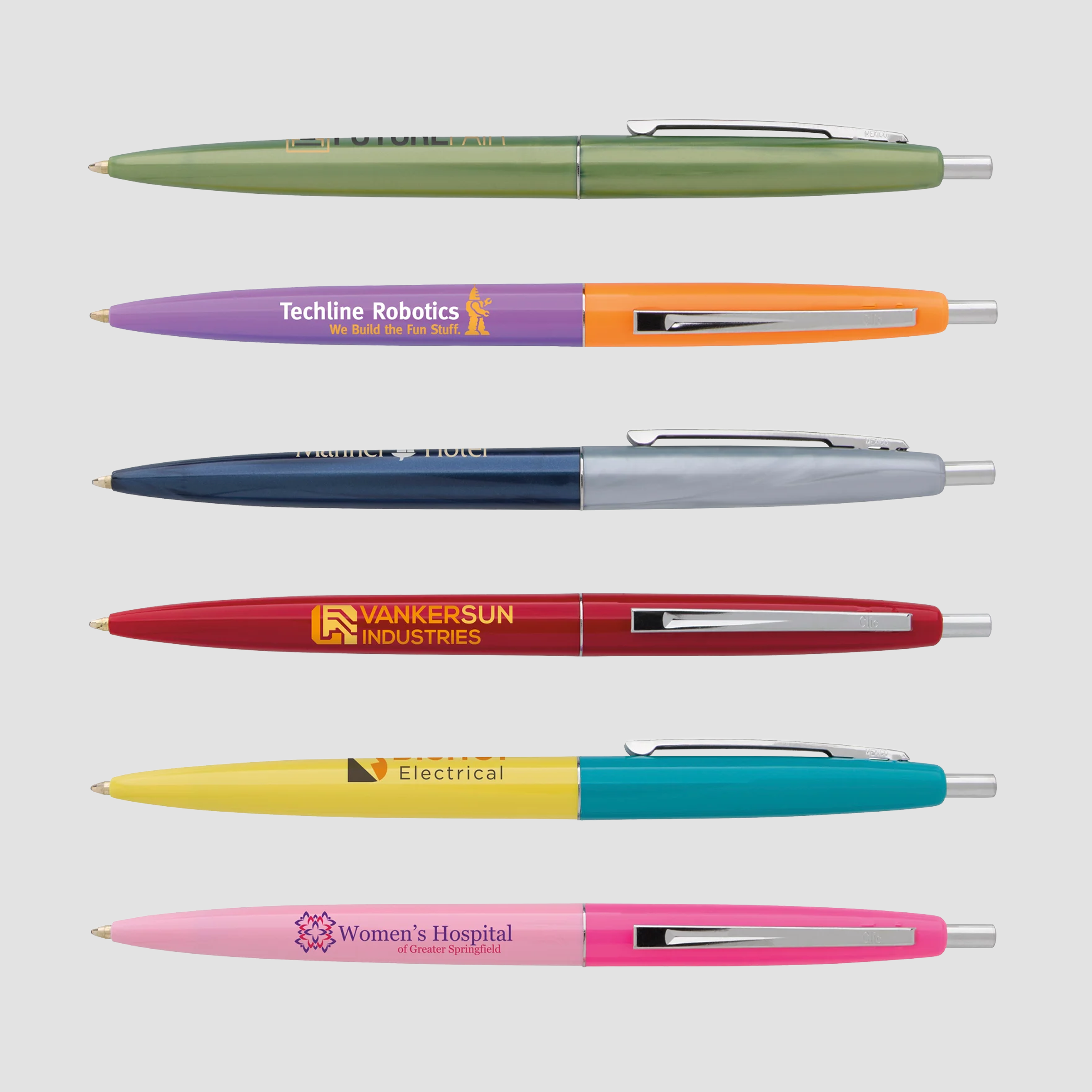
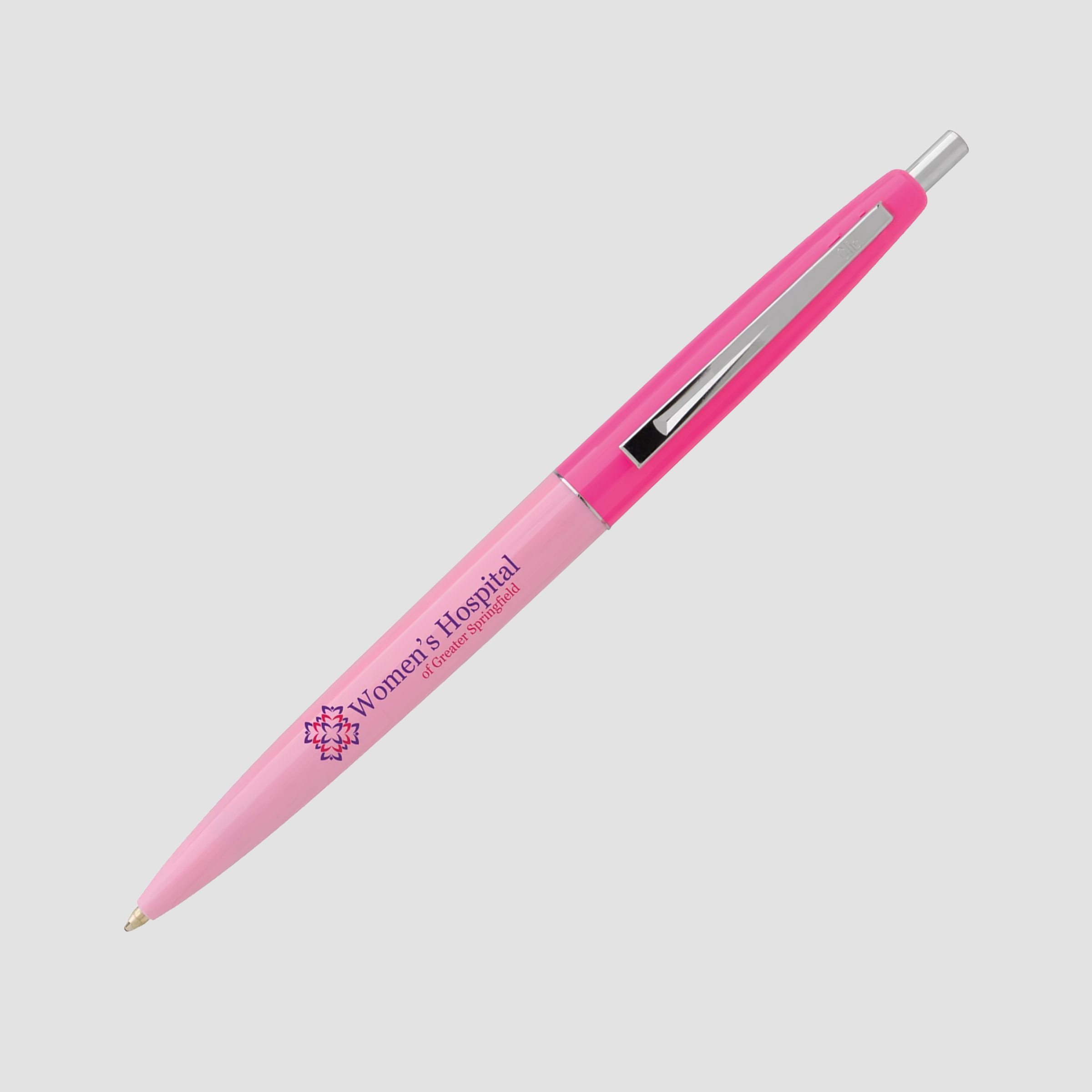
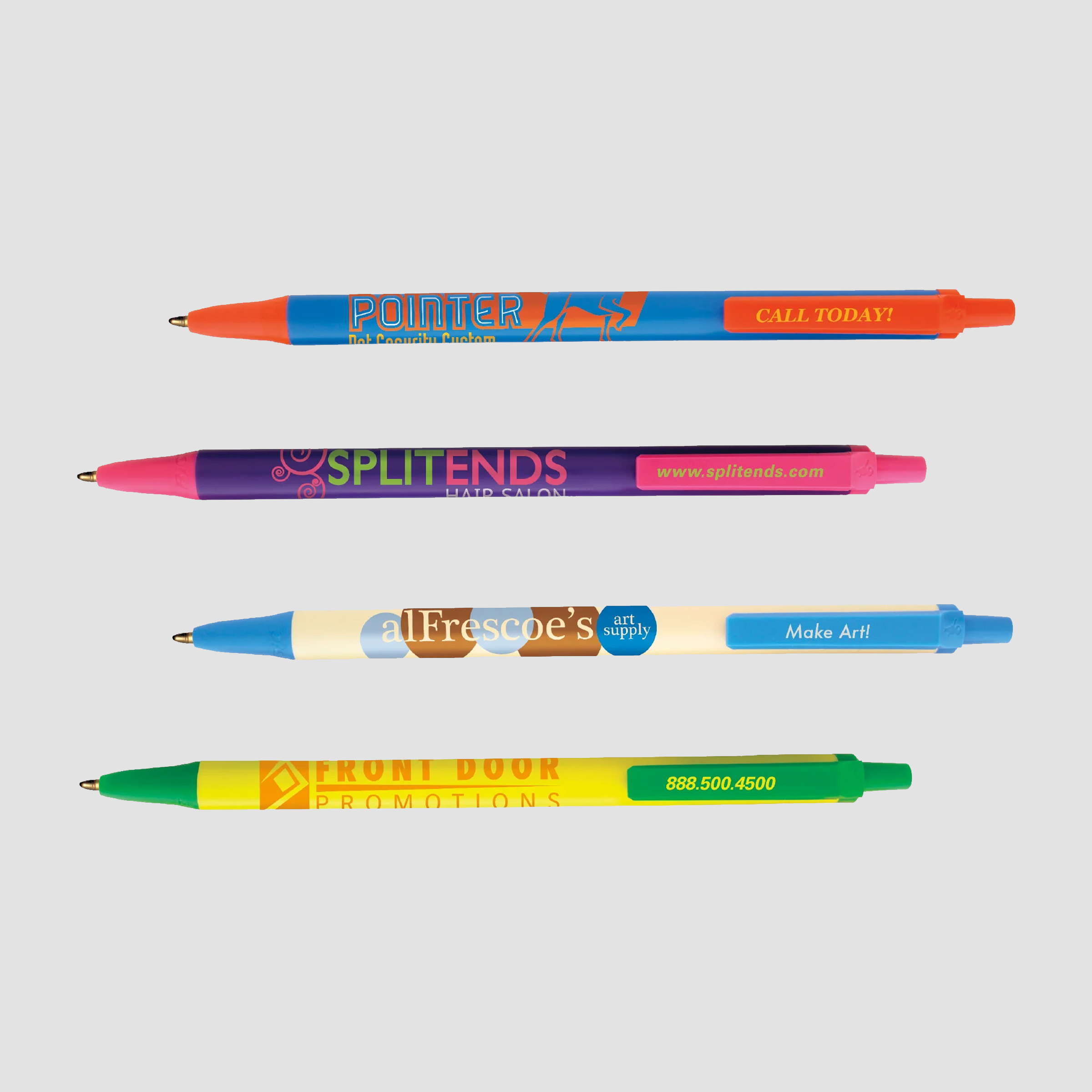
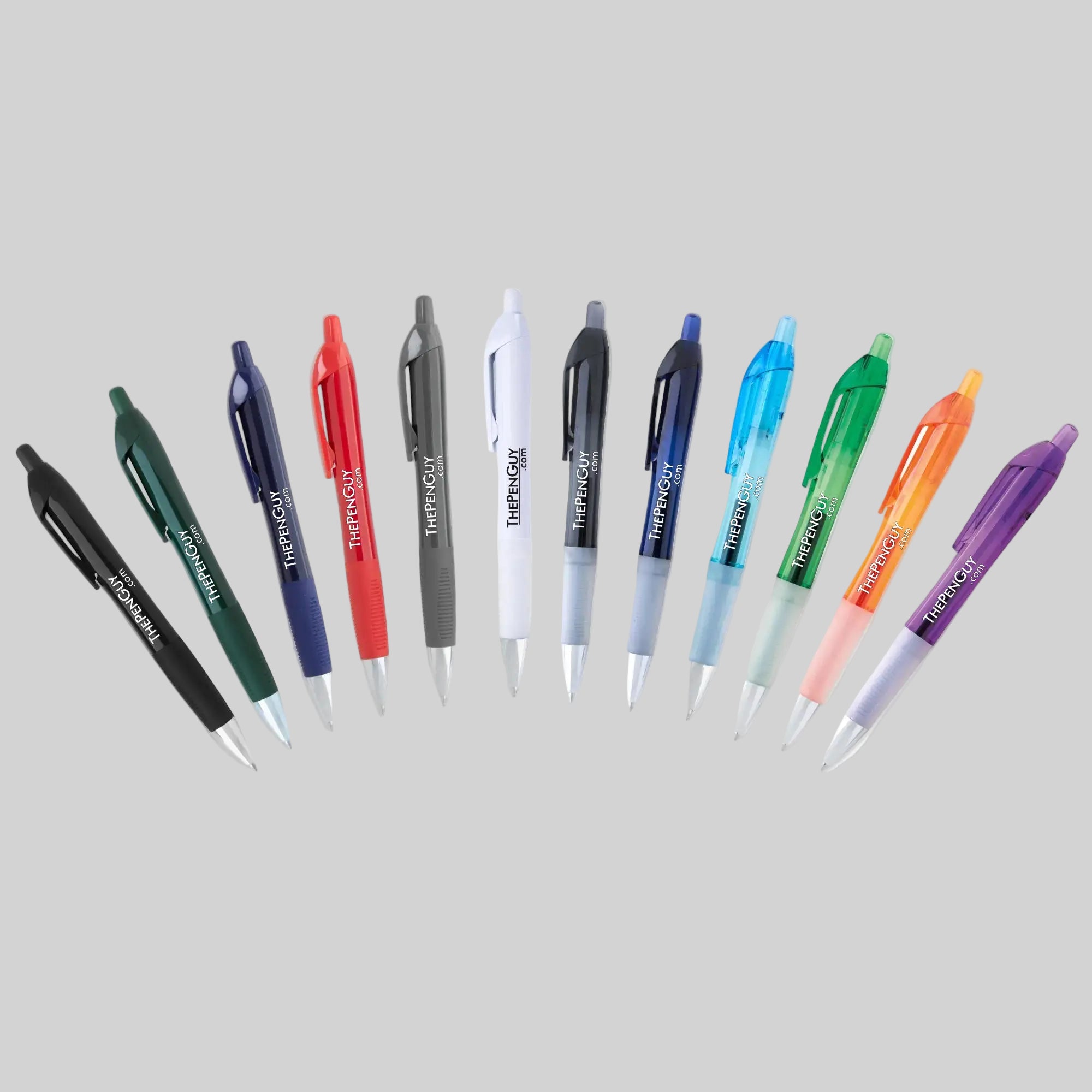
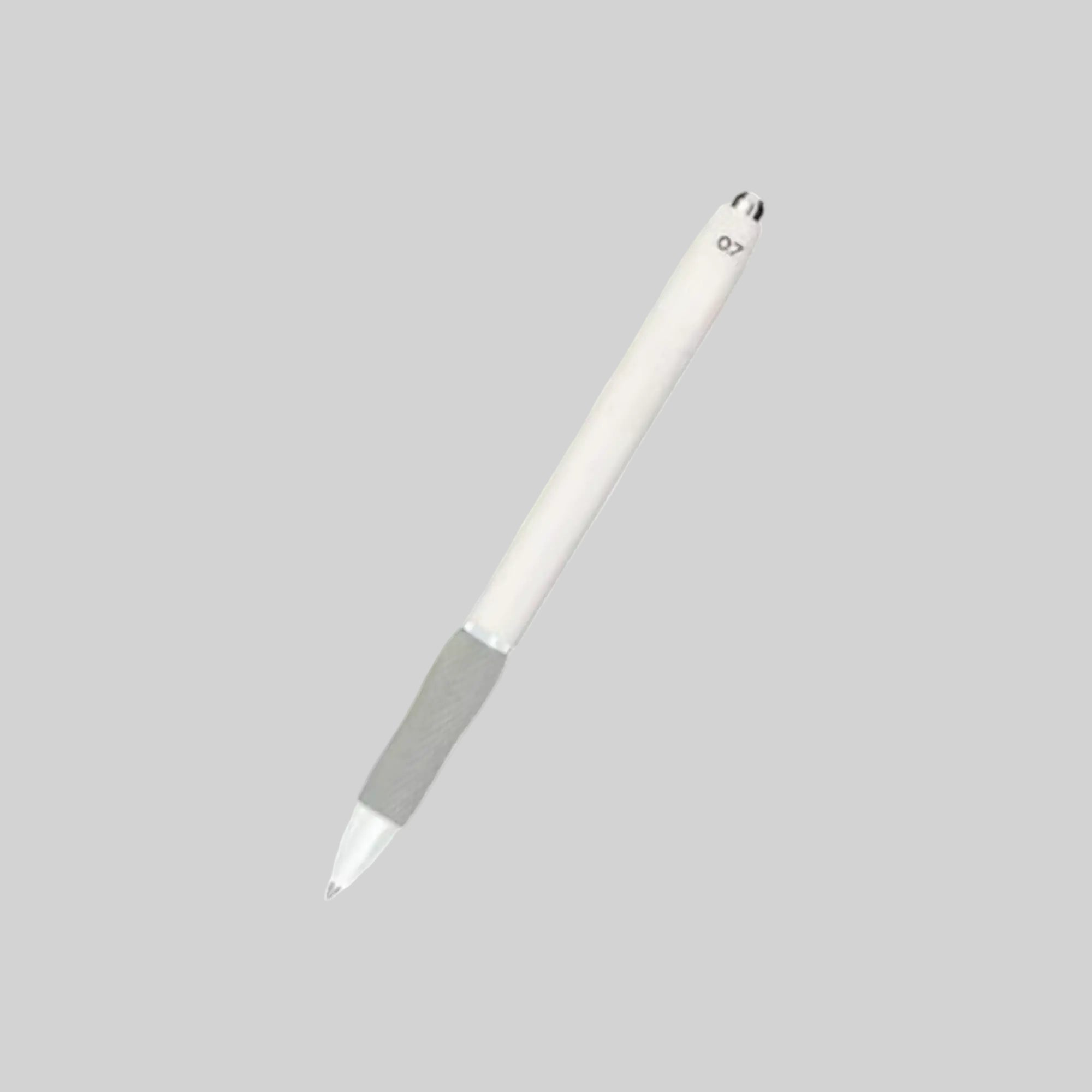
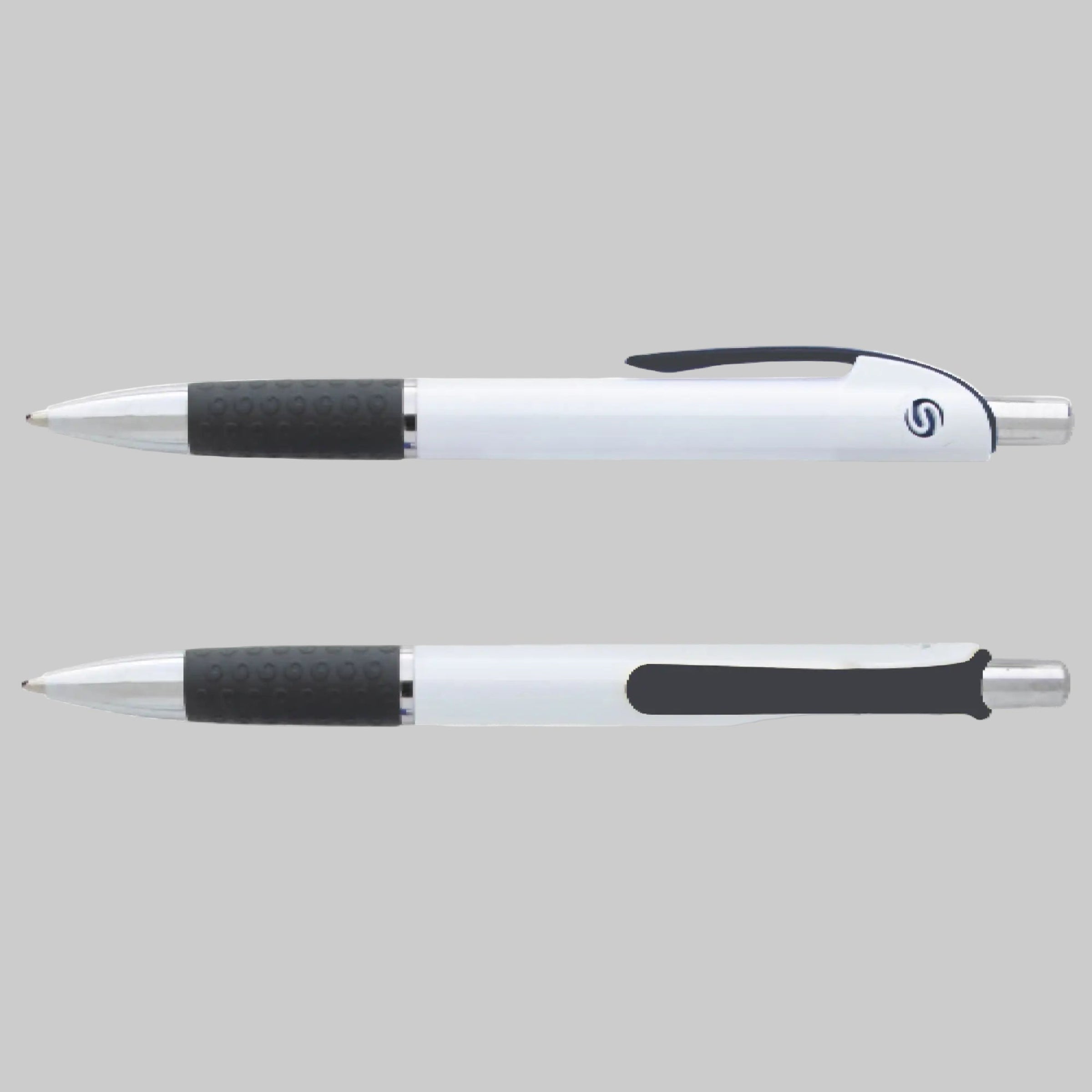
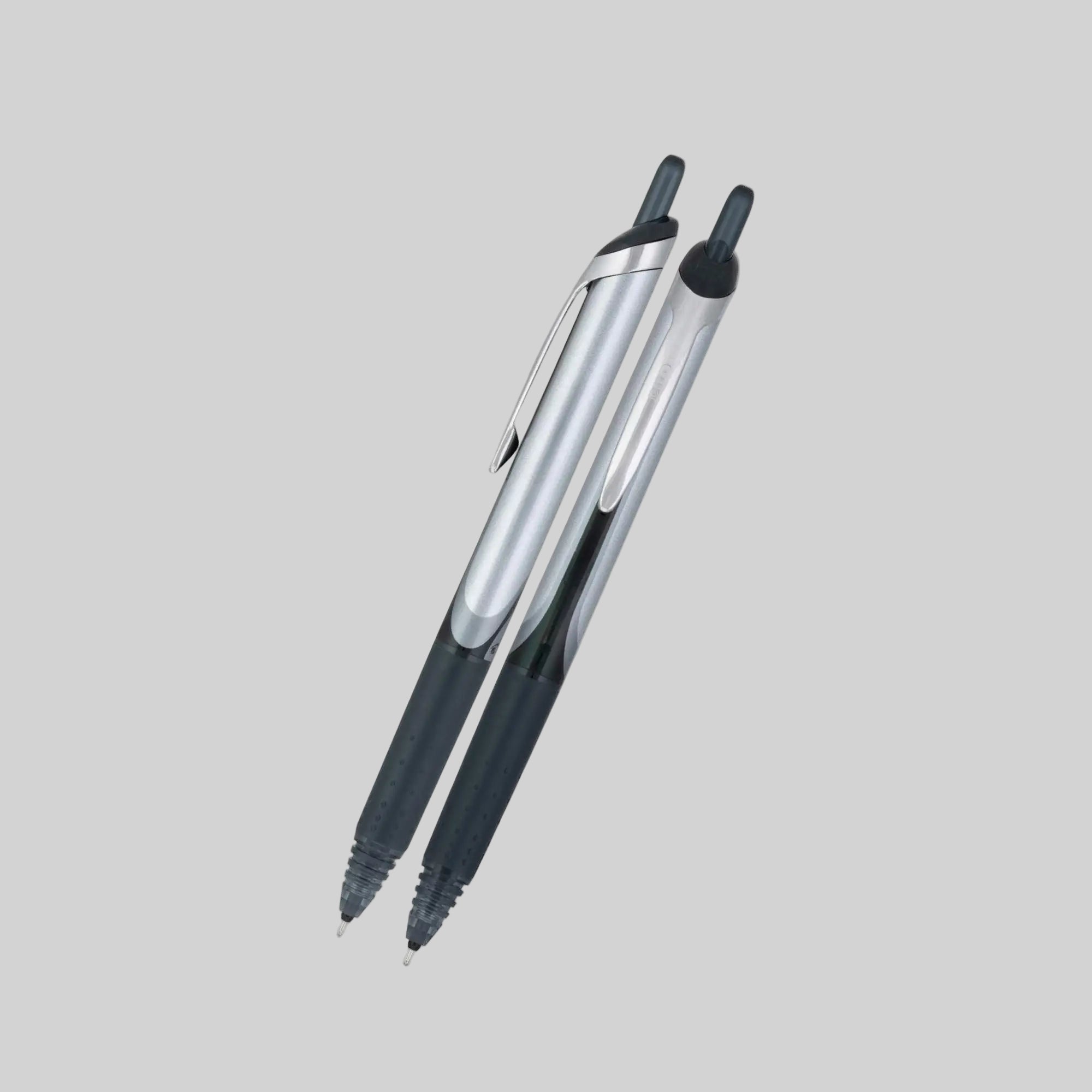
Quality retractable pens |
Daily use visibility, smooth writing experience |
|
Adhesive products |
Die-cut stickers |
Shareability, laptop/water bottle decoration trend |
|
Drinkware |
Collapsible cups |
Unique form factor, environmental consciousness |
|
Tech accessories |
Cable organizers |
Solves universal problem, compact for distribution |
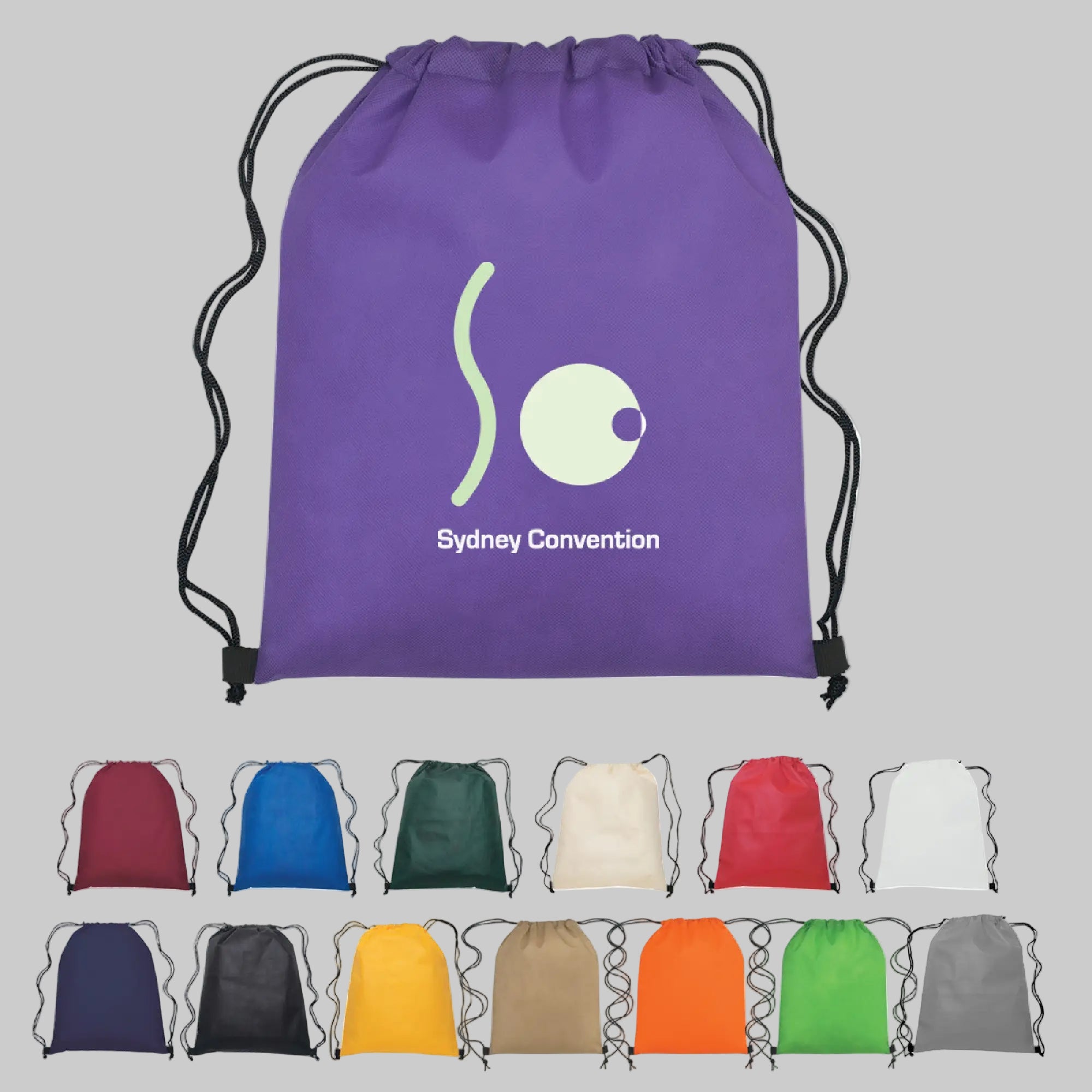
Most people waste money on quantity over quality. But the real experts focus on finding the quality threshold where items get kept rather than discarded - then scaling from there. A smaller quantity of items people actually use beats massive quantities of items heading straight to landfills.
iWriter Soft Touch Stylus Pen

Conclusion
Creative promotional giveaways succeed by rejecting the old playbook entirely. The brands making genuine impact treat promotional items as relationship investments rather than advertising expenses. They choose products recipients actually want, customize with subtlety rather than loudness, and create experiences extending beyond the physical item itself.
The strategic framework is straightforward: align items with brand values, prioritize quality over quantity, leverage personalization technology thoughtfully, and measure results beyond simple distribution counts. Popular promotional giveaways driving real brand impact share common traits - genuine utility, thoughtful design, and emotional resonance.
Whether targeting remote workers with home office essentials, VIP clients with curated experiences, or mass audiences with budget-conscious but quality-focused items, the principle remains constant. Give people something they genuinely appreciate and they'll remember the brand that gave it. Give them forgettable junk and they'll forget - or worse, remember negatively.
The best corporate giveaways earn their place in daily life. Everything else is just noise.
Frequently Asked Questions
What makes promotional giveaways more effective than digital advertising?
Physical promotional items create tangible brand presence in recipients' daily environments. While digital ads compete with endless scrolling content and ad-blockers, a quality promotional item on someone's desk generates impressions every single day without additional cost. The tactile nature of physical gifts also triggers stronger memory formation and emotional connection than screen-based advertising.
How can small businesses compete with larger companies in promotional gifting?
Small businesses often win by being more personal and thoughtful rather than more expensive. Handwritten notes, hyper-targeted item selection based on individual recipient knowledge, and local or artisanal products create impressions large corporations struggle to replicate. Focus on fewer, higher-impact gifts rather than matching larger competitors' volume.
What are the most cost-effective promotional items for startups?
Startups benefit most from items with high daily use visibility at modest cost points: quality stickers (surprisingly effective with younger demographics), practical tech accessories like cable organizers, and compact items like phone grips or webcam covers. Avoid cheap items that reflect poorly on a young brand trying to establish credibility.
Should companies focus on fewer high-quality items or more budget-friendly options?
The answer depends entirely on objectives. For relationship building with key accounts, fewer premium items dramatically outperform volume approaches. For brand awareness campaigns reaching broad audiences, cost-effective items at scale make sense - but only above the quality threshold where recipients keep rather than discard items. Hybrid approaches often work best: premium items for priority contacts, quality budget items for mass distribution.
How do you measure the ROI of promotional giveaway campaigns?
Effective measurement combines multiple metrics: recipient surveys assessing brand recall and sentiment, social media tracking for unboxing shares and mentions, digital engagement through QR codes or NFC technology embedded in items, and correlation analysis between gift recipients and subsequent conversion actions. The most sophisticated programs track CPM - cost per impression - comparing promotional items to other advertising channels.
What promotional products work best for Gen Z and millennial audiences?
Younger audiences prioritize sustainability credentials, unique aesthetics worth sharing on social media, and genuine utility in their digital-heavy lives. Eco-conscious products, limited edition designs creating collectibility, and tech accessories solving real problems resonate strongly. Avoid anything feeling generic or mass-produced - these demographics quickly dismiss items lacking authenticity or creativity.