Sustainable Promotional Products: Pros and Cons for Green Marketing
Somewhere along the way, the corporate gifting industry decided that sustainability meant slapping a leaf logo on cheap products and calling it a day. That approach is finally dying - and not a moment too soon. The brands winning today understand that sustainable promotional products aren't just a marketing checkbox. They're a strategic decision that affects budget, brand perception, and long-term customer relationships. I've spent years watching companies get this wrong before getting it right. Here's what actually works.
Key Takeaways:
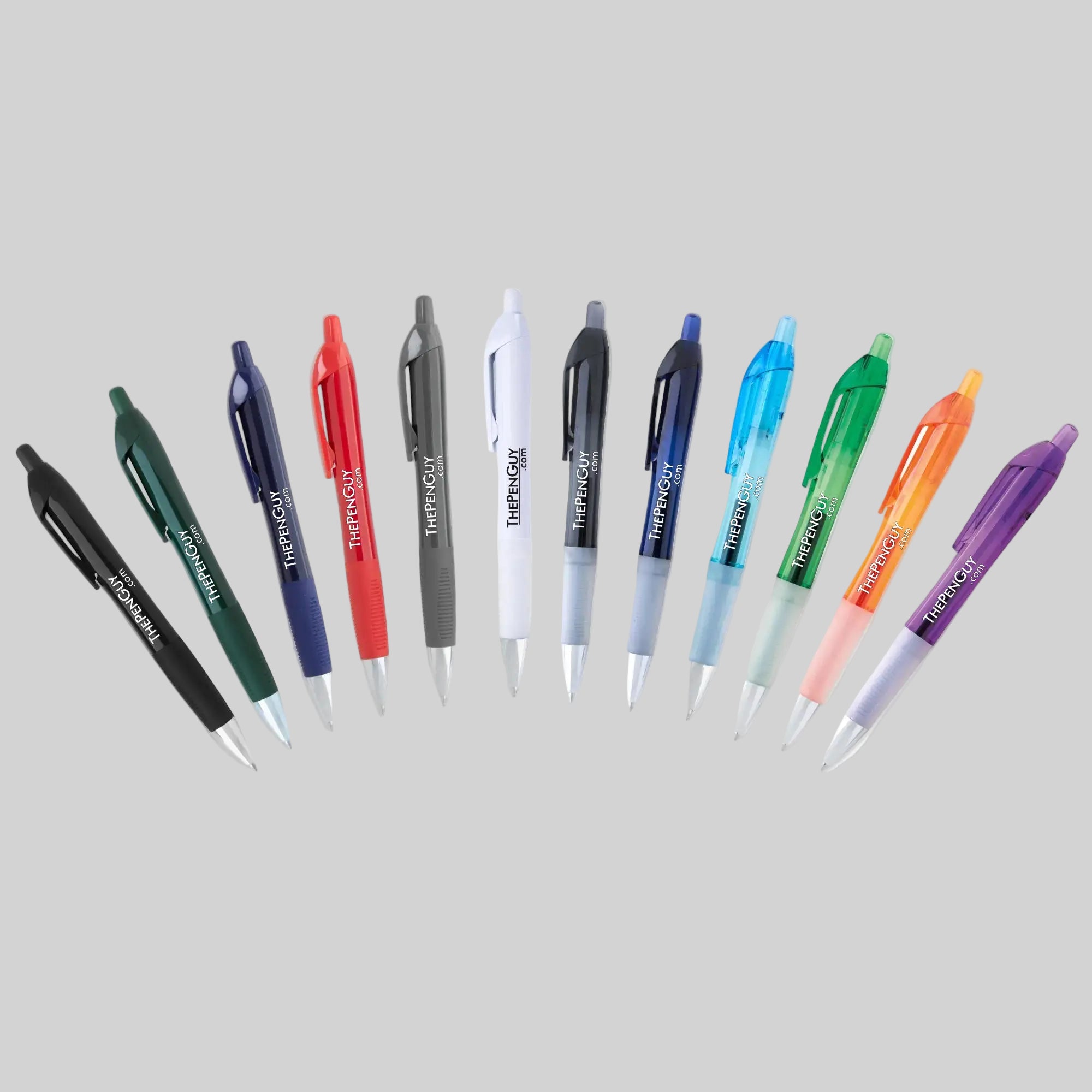
- Stop obsessing over the 15–30% higher upfront price tag of sustainable goods. Because eco-friendly items (like recycled stainless steel tumblers or heavy-duty RPET totes) are built for longevity, they stay in use longer. A durable gift generates hundreds of brand impressions over years, whereas a cheap plastic pen that breaks in a week has a CPI of nearly zero.
- If it isn't used, it isn't sustainable, it's just future landfill. Focus your budget on the "Gold Standards" of 2026.
- Greenwashing is a massive reputational risk. To ensure your "eco-friendly" claims hold up to scrutiny, look for the specific "Big Three" certifications
- Sustainable materials like bamboo and cork are trendy but prone to quality variance. Some suppliers cut corners, leading to products that warp or crack. To protect your brand, perform due diligence on suppliers and test small batches before committing to a massive bulk order for a trade show or event.
- Sustainable gifting isn't just a marketing "extra", it is tangible data for Environmental, Social, and Governance (ESG) reporting. Forward-thinking brands use these products to meet carbon reduction goals and procurement policies, turning a simple gift into proof of a company’s values.
Top Sustainable Promotional Products for Corporate Gifting
Reusable Drinkware and Water Bottles
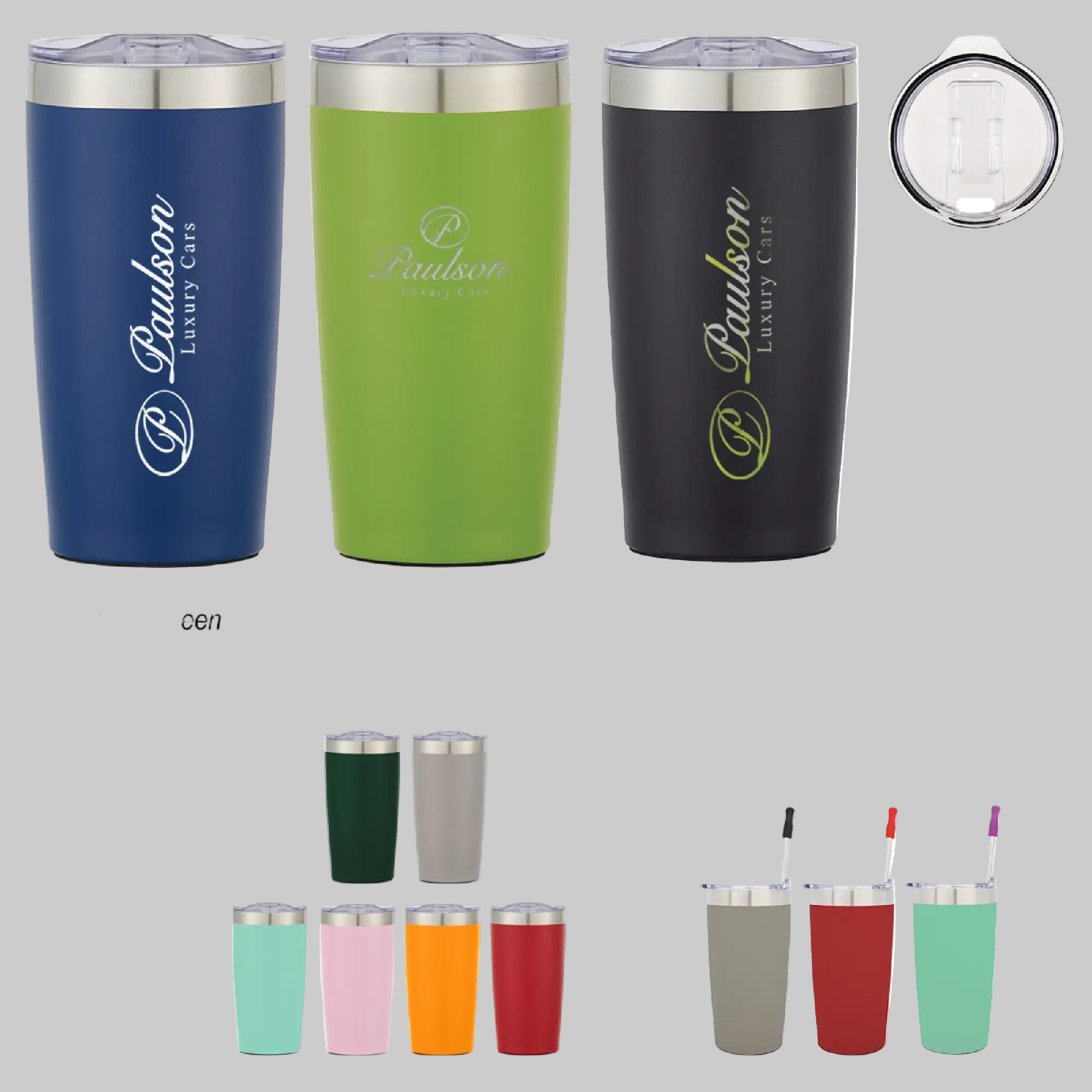
This is where most companies should start. Reusable drinkware made from recycled stainless steel or ocean-bound plastics has become the gold standard for eco-friendly promotional items. Why? People actually use them. That insulated tumbler sitting on someone's desk gets seen by coworkers, clients, and anyone passing by. The cost per impression drops dramatically over time.
I've seen companies invest in elaborate gift sets when a single high-quality water bottle would have done more for their brand. Don't overcomplicate it.
Aluminum Bike Water Bottle — 25oz

Recycled Paper Notebooks and Stationery
Recycled promotional products in the stationery category have come a long way. The paper doesn't feel like cardboard anymore. Modern recycled notebooks feature smooth, durable pages that hold ink well and look genuinely professional. They're also surprisingly affordable at scale, making them ideal for trade shows and conferences where you need volume without sacrificing your sustainability message.
Eco-Friendly Tote Bags and Apparel
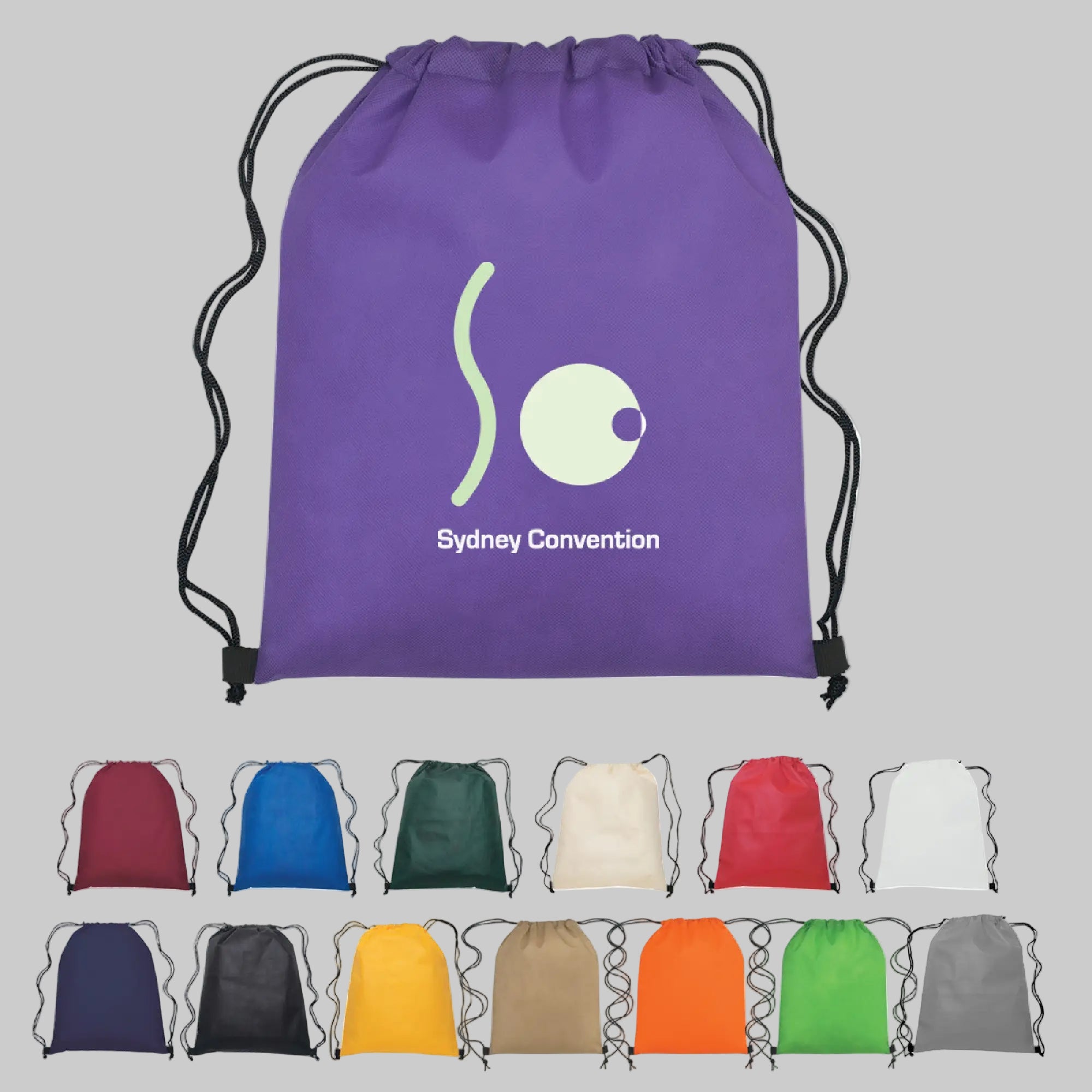
Here's where I'll be direct: most promotional tote bags are terrible. They're flimsy, ugly, and end up in drawers (or worse, landfills) within weeks. But eco-friendly tote bags made from recycled cotton canvas or RPET fabric? Those actually get used for grocery runs and gym trips. The same logic applies to apparel - organic cotton t-shirts and fleece made from recycled bottles are functional enough that people wear them beyond the initial event.
Mimi Cotton Jute Tote Bag

Tech Accessories from Recycled Materials
Phone chargers, laptop stands, and cable organizers made from recycled ocean plastics or post-consumer electronics represent a growing category. These custom sustainable corporate gifts appeal to tech-savvy audiences and demonstrate that sustainability and innovation aren't mutually exclusive. They do tend to cost more, but the perceived value matches the price point.
Bamboo and Cork Products
Bamboo pens, cork coasters, and wooden desk organizers offer a natural aesthetic that photographs well for social media. They're renewable and biodegradable. But here's the catch - not all bamboo products are created equal. Some suppliers cut corners on quality, resulting in items that crack or warp. Due diligence on your supplier matters here more than almost anywhere else.
Key Benefits of Using Eco-Friendly Promotional Items
Enhanced Brand Reputation and Consumer Trust
Consumers are skeptical. They've been burned by greenwashing too many times. When a company commits to genuinely sustainable promotional products - and can prove it - that builds trust in a way that traditional marketing simply cannot. It's the difference between saying you care about the environment and demonstrating it with every branded item you distribute.
Lower Carbon Footprint Per Impression
This metric - CPI, or Cost Per Impression - is how the industry measures promotional effectiveness. Sustainable items often have a lower carbon footprint per impression because they're designed for longevity. A reusable coffee cup used daily for a year generates hundreds of impressions for a fraction of the environmental impact of disposable alternatives. It's basic math that happens to be good for the planet.
Increased Product Longevity and Use Rate
Think about it like this: promotional products are only valuable if people use them. A cheap plastic pen that breaks in two weeks is worthless, regardless of what it cost. But a durable bamboo pen that lasts for months? That's months of brand visibility. Sustainable products tend to be built better. They have to be.
Meeting ESG and Sustainability Goals
For larger organizations with ESG commitments (Environmental, Social, and Governance targets), sustainable promotional products tick multiple boxes simultaneously. They support procurement policies, contribute to carbon reduction goals, and provide tangible evidence for sustainability reports. What drives me crazy is when companies treat this as an afterthought instead of integrating it into their overall strategy.
Common Challenges When Implementing Sustainable Promotional Products
Higher Initial Costs and Budget Constraints
Let's not pretend this isn't real. Sustainable options typically cost 15-30% more upfront than conventional alternatives. For companies operating on tight marketing budgets, that premium can be difficult to justify. The key is reframing the conversation from unit cost to total value delivered - including brand perception and long-term impressions.
Limited Availability and Supplier Reliability
The supply chain for sustainable materials is still maturing. Lead times can be longer. Minimum order quantities might be higher. And some suppliers simply cannot deliver at the scale larger companies require. I learned this the hard way on a project where a supplier promised recycled materials but couldn't meet our deadline. Now I always have backup options lined up.
Greenwashing Concerns and Verification Issues
How do you know that "eco-friendly" product is actually eco-friendly? Certifications help - look for FSC, GOTS, or GRS labels - but not every product category has clear standards. This ambiguity creates risk. If your sustainability claims don't hold up to scrutiny, the reputational damage can outweigh any marketing benefit.
Consumer Trust in Sustainability Claims
Even legitimate sustainable products face skepticism. Consumers have become cynical after years of hollow environmental marketing. Building trust requires transparency: sharing supply chain details, providing certification documentation, and being honest about the tradeoffs involved. Sounds simple, right? It's actually quite difficult to execute consistently.
Making the Strategic Choice for Green Marketing Success
The decision to invest in sustainable promotional products shouldn't be purely emotional. It requires balancing cost, quality, availability, and brand alignment. Honestly, the only thing that really matters is whether the product will actually be used. A beautiful recycled notebook that sits in a drawer forever serves no one.
Start with one or two product categories where sustainability and practicality overlap clearly - drinkware and tote bags are usually safe bets. Test supplier relationships on smaller orders before committing to large quantities. And document everything for your sustainability reporting.
The brands that succeed with green marketing won't be the ones with the flashiest environmental claims. They'll be the ones who made thoughtful choices, backed them up with evidence, and delivered products people genuinely wanted to use.
Frequently Asked Questions
How much more do sustainable promotional products typically cost compared to traditional options?
Most sustainable promotional products run 15-30% higher than conventional alternatives at the unit level. However, the total cost equation shifts when you factor in longer product lifespan, higher use rates, and the marketing value of genuine sustainability credentials. Bulk ordering can also close the gap significantly.
What certifications should I look for when sourcing eco-friendly promotional items?
The big three are FSC (Forest Stewardship Council) for paper and wood products, GOTS (Global Organic Textile Standard) for organic fabrics, and GRS (Global Recycled Standard) for recycled materials. For specific product categories like plastics, Ocean Bound Plastic certification is becoming increasingly important.
How can I measure the environmental impact of my sustainable promotional products?
Request lifecycle assessment (LCA) data from your suppliers when available. Track carbon footprint per unit and compare it against conventional alternatives. Some suppliers now provide carbon offset certificates or detailed emissions calculations as part of their service.
Are recycled promotional products as durable as conventional alternatives?
Modern recycled promotional products are generally comparable in durability to their conventional counterparts. The key is supplier selection and quality control. Recycled stainless steel and RPET fabric, for example, perform identically to virgin materials. Paper products made from recycled fibers may vary more in quality depending on the source material.
What are the most effective sustainable materials for promotional products?
Recycled stainless steel and RPET (recycled polyethylene terephthalate) lead the pack for drinkware and bags. Organic cotton and recycled cotton canvas dominate the textile category. Bamboo remains popular for office products, while cork is gaining traction for accessories. Ocean-bound plastics are emerging as a premium option with strong storytelling potential.