The Essential School Spirit Merchandise Checklist for Administrators
The common advice for building school spirit usually sounds something like this: buy a bunch of t-shirts, slap the logo on them, and call it a day. That approach worked fine in 2005. Today, it's basically throwing money into a bonfire and hoping students notice the smoke.
School spirit merchandise has evolved into something far more strategic than bulk ordering cheap polos. Done right, promotional products for schools become a genuine catalyst for community engagement, student pride, and yes, actual fundraising dollars that make a measurable difference. Done wrong? Boxes of unsold items collecting dust in a storage closet while the PTA treasurer quietly weeps.
I've watched administrators struggle with this exact challenge for years. The good news is that building a successful school spirit program isn't rocket science. It just requires a systematic approach, the right product mix, and a willingness to think beyond the obvious. This checklist breaks down everything an administrator needs to create a merchandise program that students actually want to participate in.
Key Takeaways:
- Quality Trumps Quantity: The "cheap cotton tee" era is over. Students today prioritize fabric feel and modern aesthetics (like vintage fonts and bold gradients). Investing in premium items like ring-spun cotton or heavyweight hoodies ensures students actually wear the gear, which is the only way to build a genuine sense of belonging.
- Maximize Visibility with Daily-Use Items: While t-shirts are staples, products like custom backpacks and water bottles offer superior brand exposure. A backpack is used 180 days a year, providing constant visibility in the community, whereas a shirt may only be worn once a week.
- Strategy Beats "Vibes" for Profitability: Successful programs avoid "PTA heartbreak" by using data-driven inventory management. This includes setting a strict budget (with a 10–15% contingency fund for errors), tracking size-specific sales data, and using seasonal calendars to ensure hoodies hit the shelves in September, not April.
- Design Consistency is Non-Negotiable: To move from an "amateur" to a "professional" brand, schools should create a simple style guide. Standardizing PMS colors, logos, and typography across all vendors prevents a fragmented brand image and increases the perceived value of the merchandise.
- Spirit Drives Academic Outcomes: School spirit isn't just about "warm feelings" or sports; it correlates with higher GPAs and better engagement. Incorporating academic recognition products (like custom pins or digital displays) celebrates scholastic success and makes achievement visible and aspirational for the entire student body.
Essential School Spirit Merchandise Categories
Custom School Apparel Essentials
Custom school apparel remains the backbone of any spirit merchandise program. But here's what most administrators get wrong: they treat all apparel the same. A basic cotton tee isn't the same investment as a premium hoodie, and students know the difference the moment they touch the fabric.
The trends driving custom school uniforms have shifted dramatically. According to Wooter, schools are increasingly seeking distinctive designs featuring bold gradient patterns and vintage fonts that resonate with modern student preferences while maintaining school identity. These aren't your grandmother's gym uniforms.
Essential apparel categories to stock include:
- T-shirts - The entry-level staple. Aim for ring-spun cotton over standard cotton for that softer hand feel
- Hoodies and sweatshirts - Your highest margin items, especially heavyweight options
- Performance wear - Moisture-wicking polos and athletic shirts for sports programs
- Outerwear - Jackets and windbreakers for cooler climates
- Spirit accessories - Hats, beanies, and even custom sneakers (yes, that's a thing now)
Research from Frontiers in Psychology suggests that school uniforms and spirit apparel can shape students' sense of belonging and identity, enhancing their emotional connection to the school community. That's not just warm feelings. That translates to engagement metrics administrators can actually measure.
School Backpacks and Bags
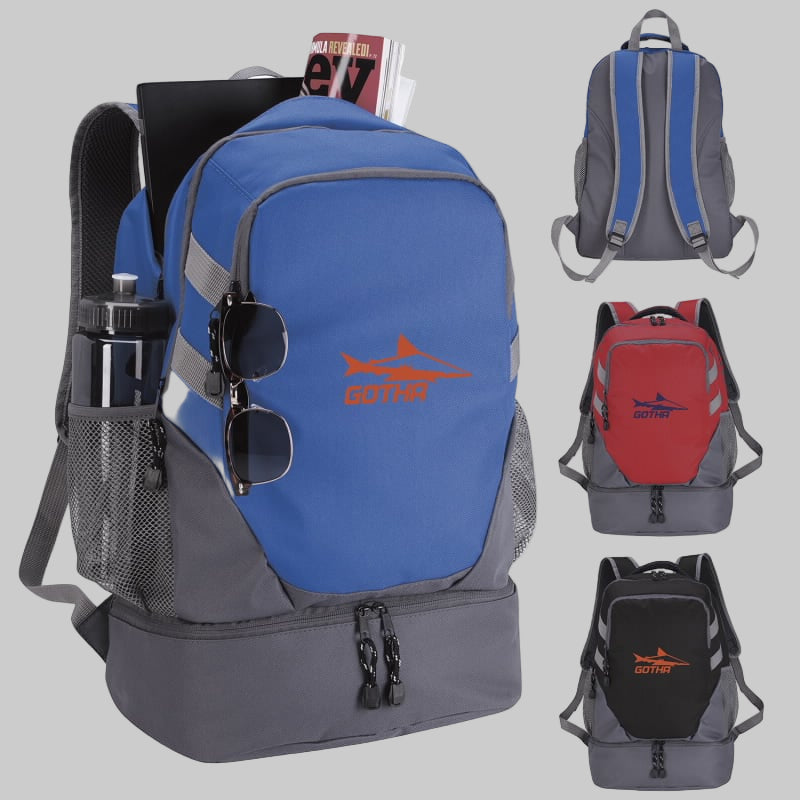
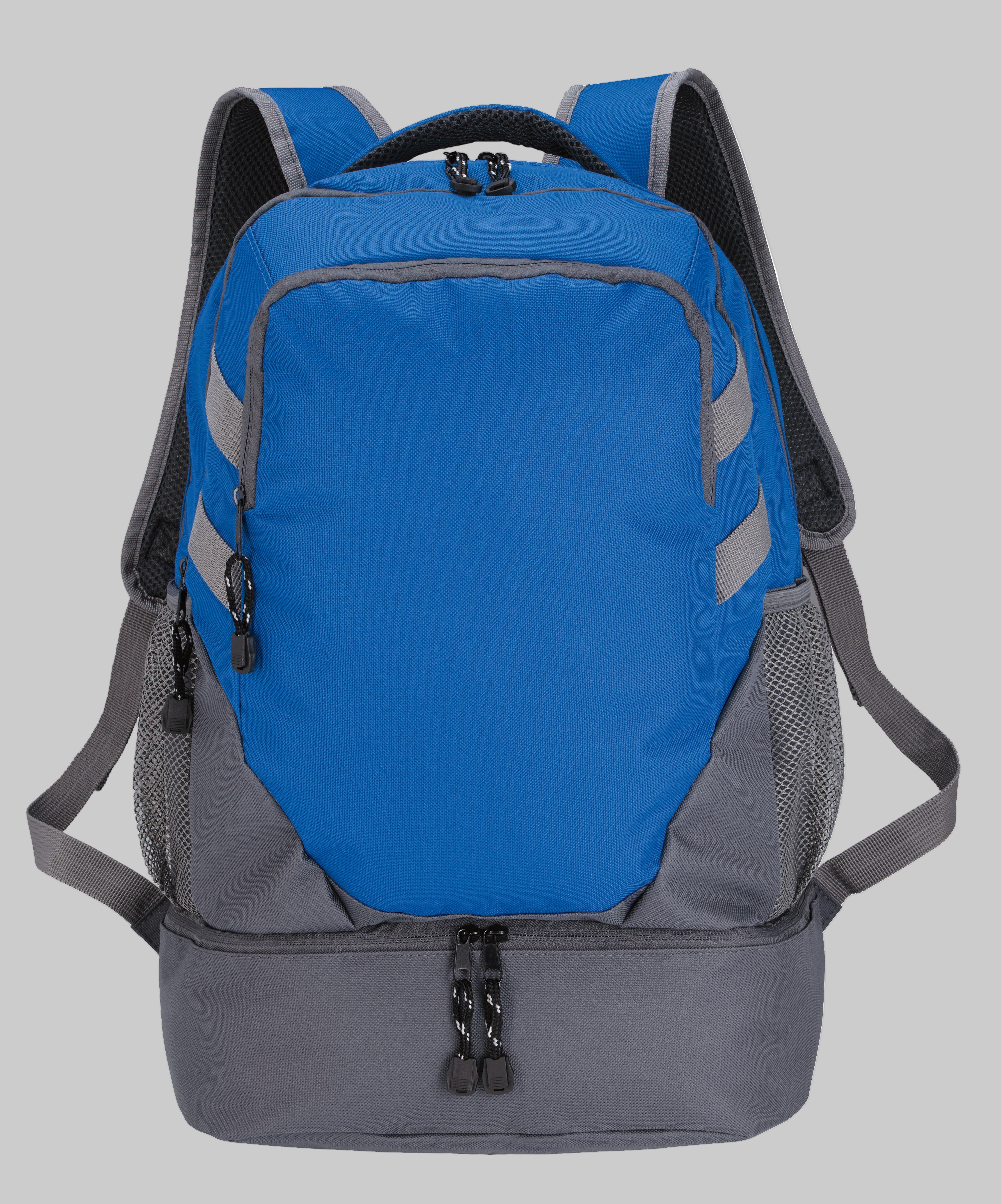
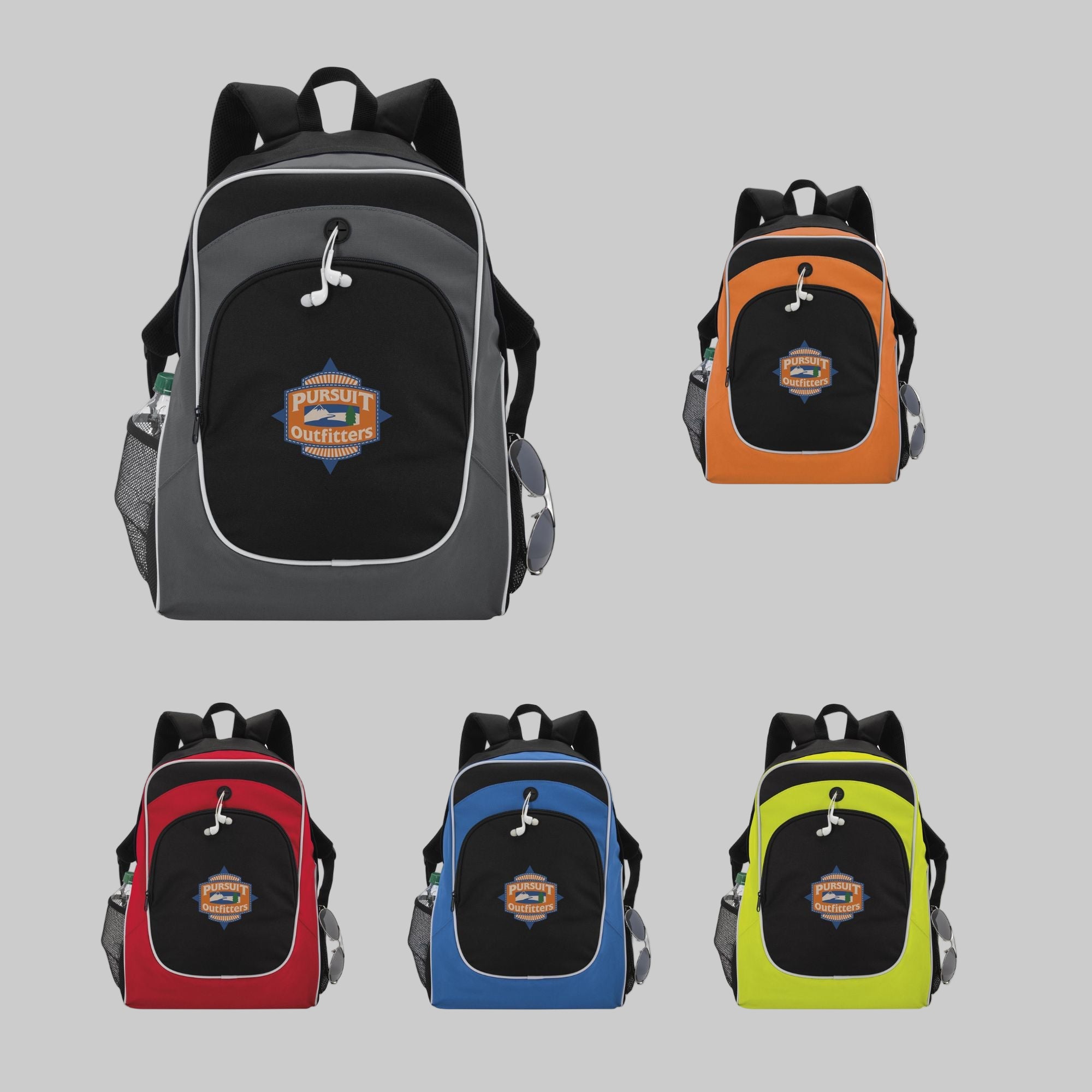
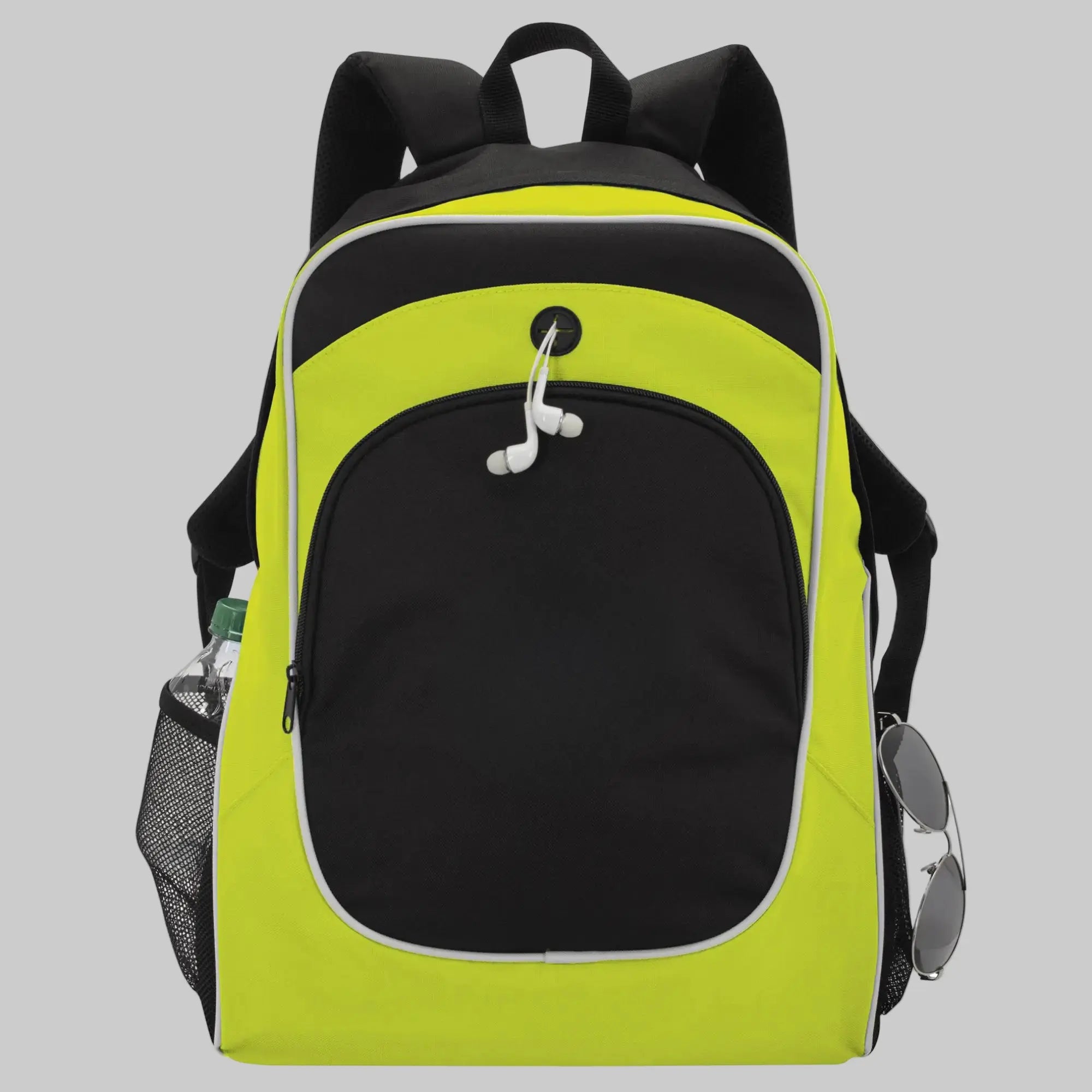
Custom school backpacks represent one of the most underutilized categories in school spirit merchandise. Think about it. A student wears a t-shirt maybe once a week. A backpack? Every single day for an entire school year. That's 180 days of brand visibility walking through hallways, on buses, and into community spaces.
The product range here extends beyond basic backpacks:
- Standard bookbags with embroidered logos
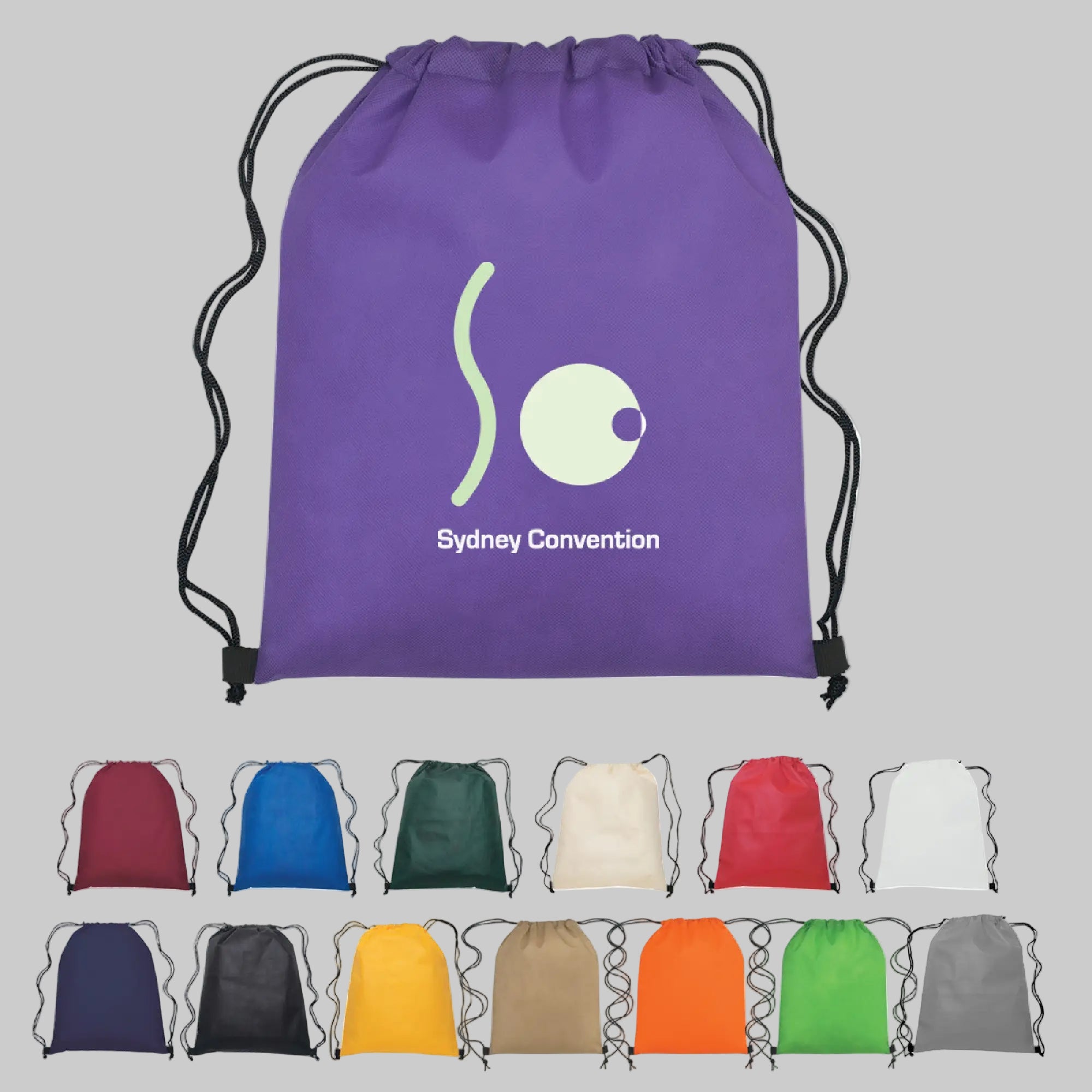
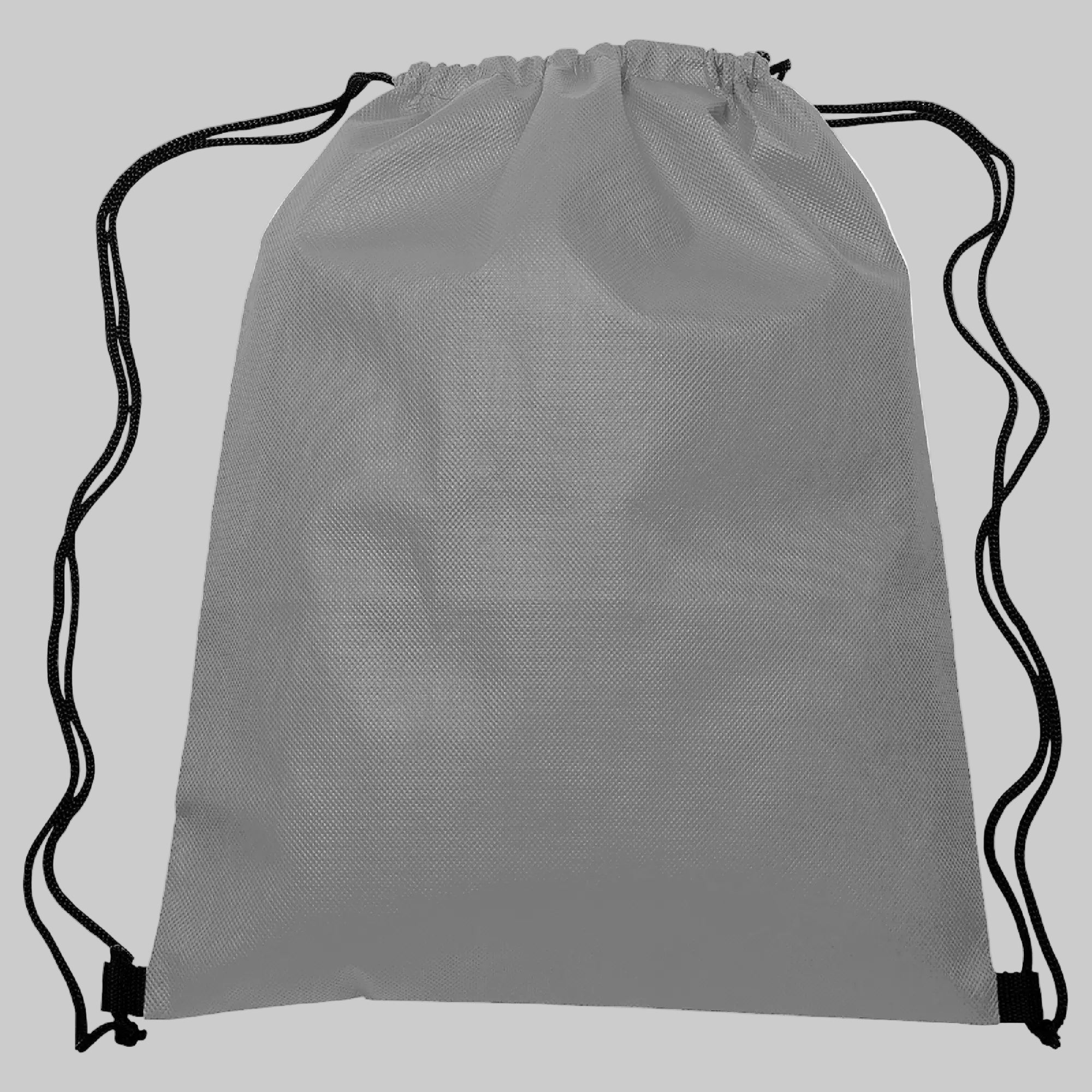
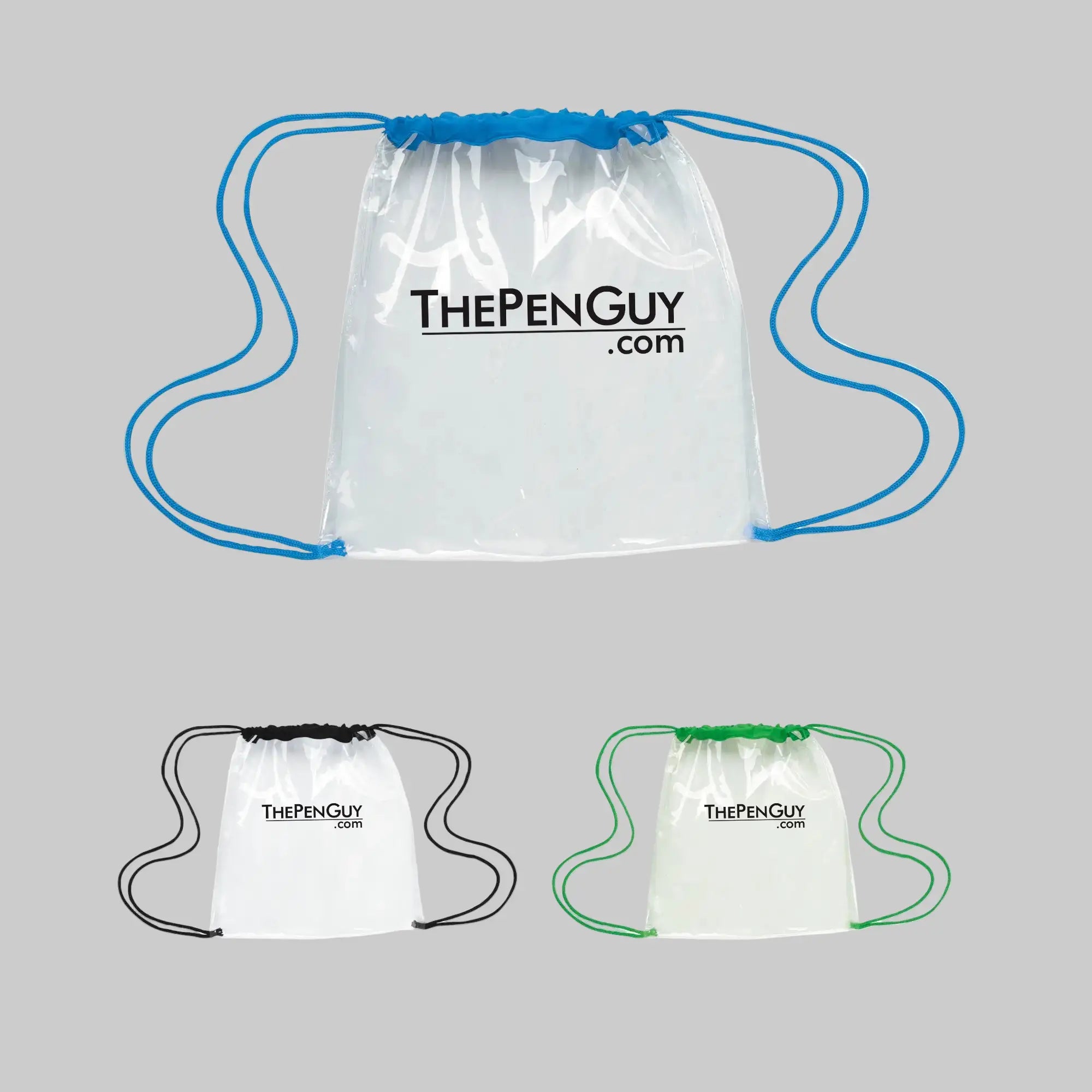
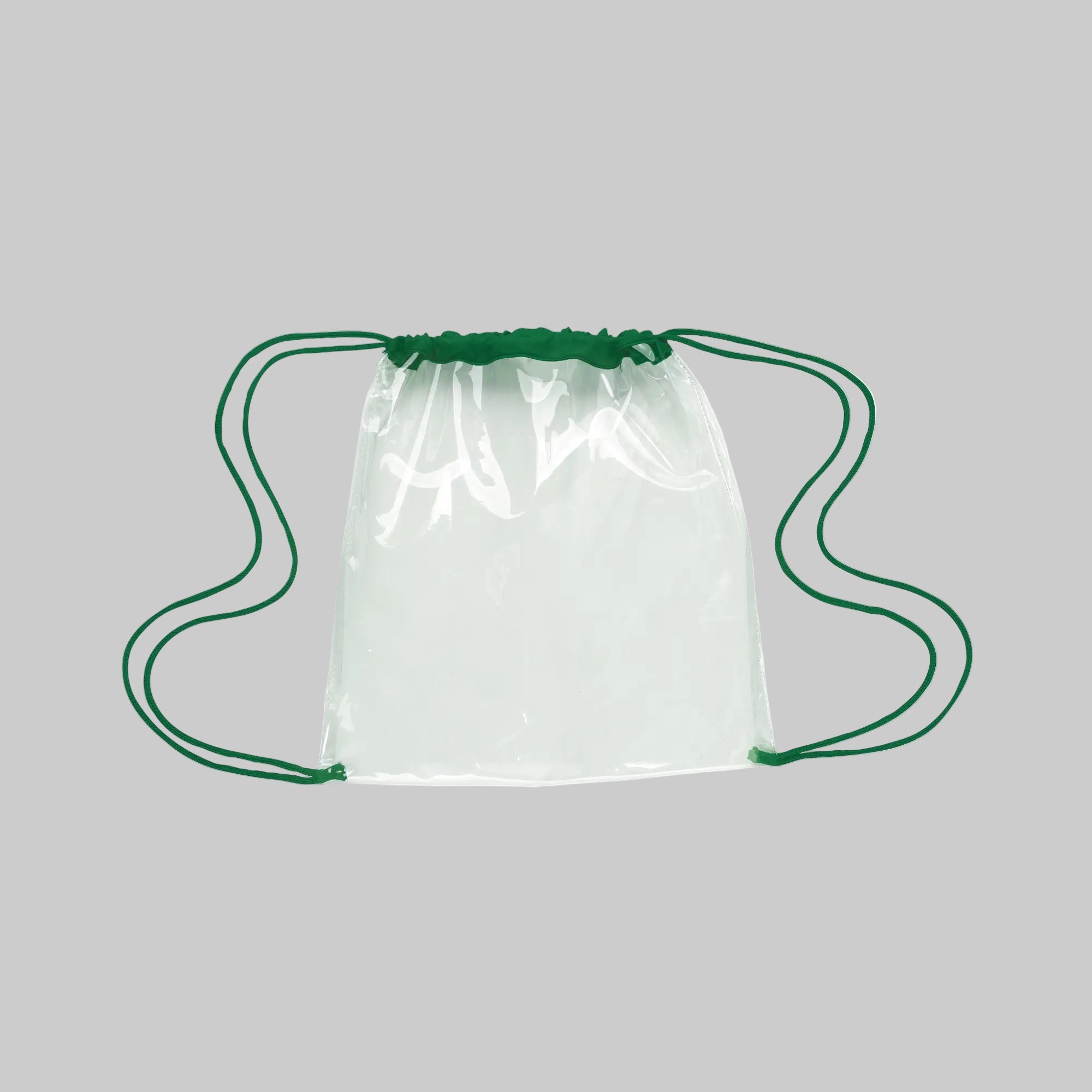
- Drawstring bags for athletics and PE classes
- Tote bags for parents and staff
- Cooler bags for tailgates and outdoor events
- Laptop sleeves for technology-focused schools
When selecting bags, prioritize durability over rock-bottom pricing. A backpack that falls apart by October reflects poorly on the school and creates negative associations with the merchandise program. That $4 savings per unit isn't worth the reputation hit.

Clear PVC Drawstring Backpack
Personalized School Water Bottles and Drinkware
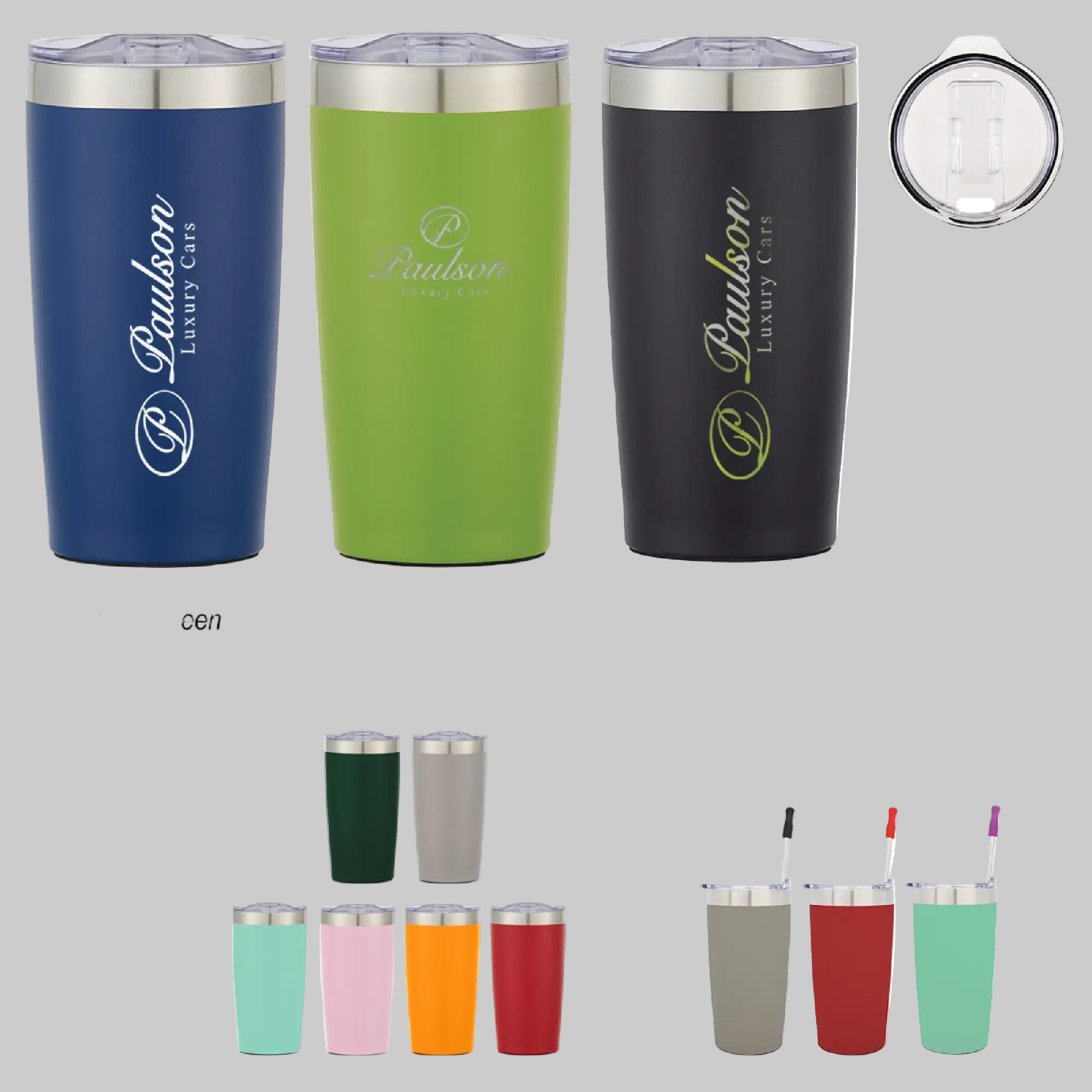
Personalized school water bottles have exploded in popularity, and for good reason. They're practical, visible, and hit the sustainability messaging that resonates with students and parents alike.
Key specifications to prioritize:
|
Feature |
Why It Matters |
|---|---|
|
BPA-free materials |
Safety requirement for schools - non-negotiable |
|
Leak-proof lids |
Prevents locker and backpack disasters |
|
Dishwasher safe |
Parents will thank you |
|
Multiple size options |
20oz for elementary, 32oz for secondary |
|
Straw spout design |
Easier drinking during activities |
Customization options should include school logos, mascot graphics, and even class-specific designs (Class of 2026, for example). The best bottles feature high-quality, waterproof labels that maintain vibrant colors even under wet conditions. Nothing kills brand perception faster than a faded, peeling logo.
Spirit Rally Items and Game Day Gear
Here's where the fun stuff lives. Rally items and game day gear create those moments of collective energy that students actually remember years later. The sound of hundreds of thunder sticks. That's not something you forget.
Essential rally categories include:
- Noise makers - Thunder sticks, cowbells, and megaphones
- Visual items - Foam fingers, rally towels, and pom-poms
- Wearables - Face paint sticks, temporary tattoos, and body flags
- Seating - Stadium cushions and blankets for outdoor events
Don't overlook the power of coordinated themes. A "white out" game where everyone receives the same white rally towel creates visual impact that single-item purchases simply can't match. These moments photograph well, which matters more than most administrators realize in the age of social media.
Academic Achievement Recognition Products
Spirit isn't just about athletics. Academic recognition products celebrate achievement across all student activities and create positive associations with scholastic success.
Recognition categories to include:
- Honor roll certificates and pins
- Subject-specific achievement awards
- Graduation recognition items
- Competition and academic team merchandise
- Character and citizenship awards
According to Touchwall, systematic student achievement recognition significantly impacts student engagement and motivation. Modern approaches include digital displays that enhance visibility of student accomplishments throughout the school building.
The key is making recognition tangible. A certificate disappears into a drawer. A custom pin worn on a backpack? That's visible, and visibility creates aspiration in other students.
Seasonal and Event-Specific Merchandise
Timing matters more than most administrators realize when it comes to school spirit merchandise. Hoodies fly off shelves in September but gather dust in April. T-shirts peak in spring. Understanding these patterns is basically free money.
Seasonal planning framework:
|
Season |
Top Products |
Key Events |
|---|---|---|
|
Fall |
Hoodies, blankets, hand warmers |
Back-to-school, football season, homecoming |
|
Winter |
Heavyweight sweatshirts, beanies |
Basketball season, winter formal |
|
Spring |
T-shirts, caps, shorts |
Spring sports, prom, graduation |
|
Summer |
Lightweight items, sunglasses |
Summer programs, early back-to-school |
Event-specific merchandise creates urgency and exclusivity. A homecoming 2026 t-shirt won't be available next year. That FOMO drives sales in ways that generic spirit wear simply doesn't. Bundling products together - a tee with a matching cap - encourages higher average order values.
Strategic Planning for School Merchandise Programs
Budget Allocation Guidelines
Let me be direct about something that drives me crazy in this industry: administrators who skip budget planning and then act surprised when their merchandise program loses money. It happens constantly. It's entirely preventable.
A solid budget allocation framework looks something like this:
- Product costs: 50-60% of total budget
- Design and setup fees: 5-10%
- Marketing and promotion: 10-15%
- Contingency fund: 10-15%
- Administrative overhead: 5-10%
That contingency fund isn't optional. Something will go wrong. A shipment gets delayed. A design error requires reprinting. The vendor discontinues your hoodie color mid-season. Having reserves prevents these issues from derailing your entire program.
Start conservative your first year. It's better to sell out of popular items than to sit on excess inventory. You can always reorder, but you can't un-purchase 200 medium t-shirts that nobody wanted.
Vendor Selection Criteria
Choosing the right vendor is probably 80% of the battle when it comes to custom school merchandise. Get this wrong and everything downstream falls apart. Get it right and your job becomes dramatically easier.
Essential evaluation criteria:
- Track record: How long have they been in business? Do they specialize in school merchandise?
- Quality samples: Never order bulk without reviewing physical samples first
- Communication responsiveness: How quickly do they respond to questions?
- Minimum order quantities: Do these align with your actual needs?
- Turnaround times: Can they meet your event deadlines?
- Customization capabilities: Screen printing, embroidery, full-color digital?
- Return and error policies: What happens when something goes wrong?
Here's the thing nobody tells you: the cheapest vendor is rarely the best choice. I've seen schools save $500 on an order only to spend three times that in staff time dealing with quality issues and delays. Calculate total cost of ownership, not just unit price.
Quality Standards and Material Specifications
Material specifications might sound boring, but they're where the difference between "kids love this" and "kids never wear this" actually lives.
For apparel, prioritize:
- Ring-spun cotton over standard cotton (softer hand feel)
- Pre-shrunk materials to maintain sizing
- Reinforced seams for durability
- True-to-size fits (nothing drives complaints like unexpected sizing)
Sustainability matters more each year. Students and parents increasingly prefer eco-friendly options made from recycled or organic materials. This isn't just feel-good marketing. It's a genuine differentiator that can justify premium pricing.
Safety requirements are non-negotiable:
- BPA-free plastics for all drinkware
- CPSIA compliance for children's products
- Lead-free inks and dyes
- Flame-resistant materials where applicable
Design Consistency Across Product Lines
Design consistency is where amateur merchandise programs get separated from professional ones. When every product looks like it was designed by a different person on a different day, the brand feels fragmented. Students don't articulate this explicitly, but they feel it.
Elements to standardize:
- Color palette: Define exact PMS colors and stick to them
- Logo usage: Primary logo, secondary mark, wordmark variations
- Typography: Approved fonts and how they're used
- Graphic elements: Mascot treatments, pattern motifs
- Placement guidelines: Where logos appear on different product types
Document these standards in a simple style guide. It doesn't need to be elaborate. A single-page PDF that vendors can reference prevents most consistency issues before they happen.
Maximizing Impact and Return on Investment
Student Engagement Metrics
Sounds simple, right? Measure engagement and adjust accordingly. Except most schools measure nothing and then wonder why their programs stagnate.
Meaningful engagement metrics include:
- Participation rates: What percentage of students own at least one spirit item?
- Repeat purchase rates: Are students buying multiple items or one-and-done?
- Event attendance: Does spirit gear correlate with event participation?
- Social media mentions: Are students posting themselves wearing merchandise?
- Survey feedback: What do students actually want that you're not offering?
Research from Varsity Brands indicates that higher levels of school spirit significantly correlate with improved academic performance, with spirited students demonstrating higher GPAs and greater participation in community activities. That's not just merchandise sales. That's educational outcomes.
Parent and Community Buy-In Strategies
Students drive demand, but parents write the checks. Securing parent and community buy-in requires intentional strategy.
Effective approaches include:
- Preview events: Let families see and feel products before purchase deadlines
- Payment flexibility: Offer payment plans for higher-ticket items
- Family bundles: Discount packages when multiple family members purchase
- Community merchandise: "Proud Parent" or alumni items expand your market
- Fundraising transparency: Show exactly where merchandise profits go
The single most effective tactic I've seen? Involving parents in the design selection process. Even a simple vote between two options creates ownership. People buy what they helped create.
Inventory Management Best Practices
What drives me crazy about most school merchandise programs is the complete absence of inventory discipline. Schools order based on vibes, not data, and then either run out of popular sizes or drown in unsold inventory.
Essential inventory practices:
- Track everything: Use a simple spreadsheet at minimum, proper software if possible
- Analyze historical data: Which sizes sold out? Which sat?
- Set reorder points: Know when to replenish before stockouts happen
- Plan for seasonality: Stock heavier for fall, lighter for spring
- Liquidate strategically: Clearance sales beat storage costs every time
For schools just starting out, consider on-demand printing models. Yes, the per-unit cost is higher, but you eliminate inventory risk entirely. You can always shift to bulk ordering once you understand actual demand patterns.
Pricing Structures for Different Audiences
Pricing strategy is where the math meets the psychology. Price too high and nobody buys. Price too low and you leave money on the table while potentially signaling low quality.
Tiered pricing framework:
|
Audience |
Approach |
Margin Target |
|---|---|---|
|
Students |
Competitive pricing, smaller sizes |
30-40% |
|
Parents |
Quality emphasis, adult sizing |
40-50% |
|
Alumni |
Premium options, nostalgia appeal |
50-60% |
|
Community |
Pride messaging, gift-appropriate |
40-50% |
Don't forget bulk pricing incentives. Offering a discount for team orders or classroom purchases encourages larger transactions while reducing your per-order handling costs. A 10% discount on orders over $100 often pays for itself through increased volume.
Building a Comprehensive School Spirit Program
Building a comprehensive school spirit program isn't about checking boxes on a product list. It's about creating a system that runs itself with minimal ongoing effort while generating consistent engagement and revenue.
The week I helped implement a proper merchandise system at a local middle school stands out in my memory. Before, the athletic director was spending maybe 15 hours a month handling merchandise orders, fielding complaints, and tracking down lost shipments. After? That dropped to maybe three hours. The difference? Systems.
A sustainable program requires:
- Clear ownership: One person responsible for the program, with defined backup
- Annual planning calendar: When to design, order, promote, and sell each category
- Vendor relationships: Established partners who know your needs
- Student input mechanisms: Regular feedback on what's working
- Financial tracking: Know your margins and adjust accordingly
Start smaller than you think. It's tempting to launch with 15 product categories across 47 designs. Don't. Start with your top five sellers, nail the execution, and expand from there. You can always add products. Recovering from a chaotic launch is much harder.
Homestretch 600D Polyester Backpack

FAQs
What percentage of budget should administrators allocate for school spirit merchandise?
Most successful programs allocate between 5-15% of their total activities budget to merchandise, depending on school size and existing spirit culture. New programs should start at the lower end and scale up based on demonstrated demand. The key is ensuring merchandise programs are designed to be revenue-positive, so initial investment should be viewed as working capital rather than pure expense.
How many product categories should schools offer initially?
Start with three to five core categories: basic apparel (t-shirts and hoodies), one accessory category (water bottles or bags), and event-specific items. Trying to launch with too many options overwhelms students and complicates inventory management. Once those core categories are running smoothly, typically after one full school year, expand based on student feedback and sales data.
What are the minimum order quantities for custom school merchandise?
MOQs vary dramatically by vendor and product type. Screen-printed apparel typically requires 24-48 units per design. Embroidered items often start at 12-24 units. Hard goods like water bottles may require 100+ units for custom work. On-demand printing services eliminate MOQs entirely but increase per-unit costs by 20-40%. Balance your inventory risk tolerance against your budget when choosing vendors.
When should administrators start planning for back-to-school merchandise?
Begin planning in April or May for August delivery. This timeline allows for design development, vendor selection, sample approval, production, and shipping with buffer for delays. Schools ordering in June for August delivery are gambling with their timelines. The earlier you start, the more options you have and the less you pay for rushed production.
Which promotional products generate the highest student engagement?
Wearable items consistently drive highest engagement because they're visible. Premium hoodies and quality t-shirts top the list, followed by backpacks and bags. Water bottles rank highly for daily-use visibility. The key factor isn't product category but quality level. A cheap t-shirt nobody wants to wear generates zero engagement regardless of design. Invest in quality and students will actually use what they purchase.