The Anatomy of a Custom Pen
When choosing promotional products for your business, few items offer a better return on investment than a humble writing instrument. Unlike temporary digital advertisements, a well-made custom pen remains on desks, travels in bags, and transitions between colleagues for months.
However, maximizing the impact of your marketing investment requires understanding how these tools are built. Choosing the right components allows you to design a product that looks professional, functions flawlessly, and represents your brand identity perfectly.
This guide breaks down the complete anatomy of a custom pen, explaining how each component impacts your design options and promotional reach.
The Core Structural Components
Every writing instrument relies on a few fundamental pieces that determine its overall structure, durability, and primary functionality.
1. The Pen Barrel (Main Body)
The pen barrel serves as the main body of the writing tool. It houses the internal ink refill cartridge and provides the structural framework for the entire item.
From a design and marketing standpoint, the barrel is your primary piece of real estate. This is where your custom branding is centered. Depending on your audience, barrels can be manufactured from various materials:
- Plastic: Excellent for lightweight construction, maximum color variety, and budget-friendly volume.
- Metal (Aluminum or Brass): Adds weight, premium durability, and a high-end feel for executive gifts.
- Eco-Friendly Materials: Recycled plastics, wheat straw, or bamboo options show your company’s commitment to sustainability.
2. The Ink and Writing Tip
At the very end of the barrel sits the component that matters most for user retention: the ink and writing tip. This element is responsible for transferring ink cleanly onto paper. If a pen doesn't write smoothly, a recipient won't keep it—regardless of how nice your logo looks.
When ordering custom pens, you will generally choose between three primary ink delivery styles:
- Ballpoint Ink: A thick, oil-based ink that dries instantly, prevents smudging, and offers exceptional longevity.
- Gel Ink: A vibrant, water-based gel that glides effortlessly across paper, providing a premium, highly fluid writing experience favored by professionals.
- Rollerball Ink: Liquid ink that flows deeply into paper fibers, closely mimicking the elegant feel of a fountain pen.

Accent Elements and Custom Trim
The secondary accents on a pen dictate how users interact with the item and provide opportunities to introduce contrasting corporate color schemes.
3. Trim and Accent Colors
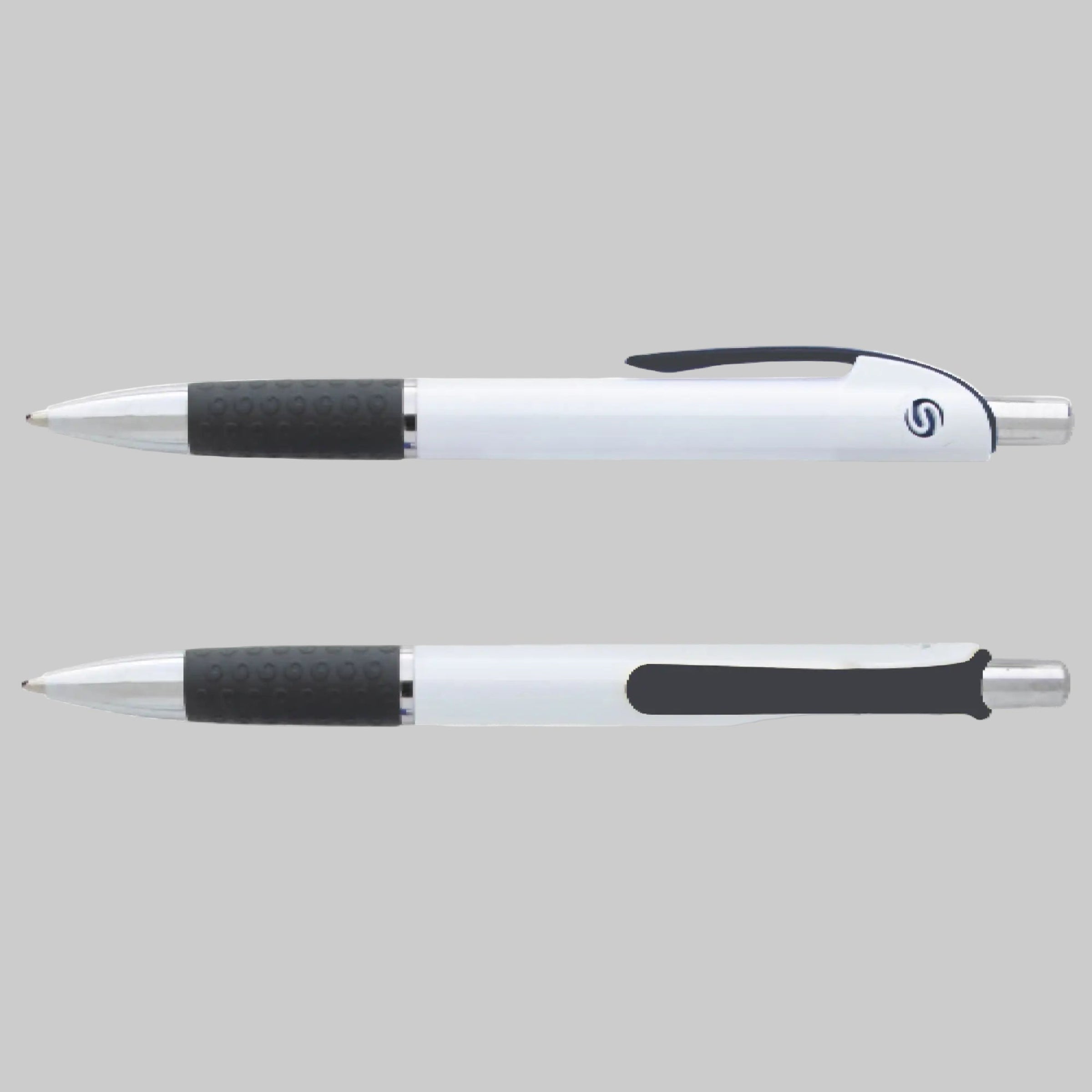
Pen trim refers to the smaller structural and decorative components of the instrument, such as the nose cone tip, the click plunger, or accent bands.
Using contrasting trim colors allows you to build a cohesive two-tone palette that matches your brand guidelines. For example, if your company colors are yellow and green, you can pair a bright yellow barrel with sharp green trim accents on the tip and plunger to make the final design stand out.
4. Comfortable Grips
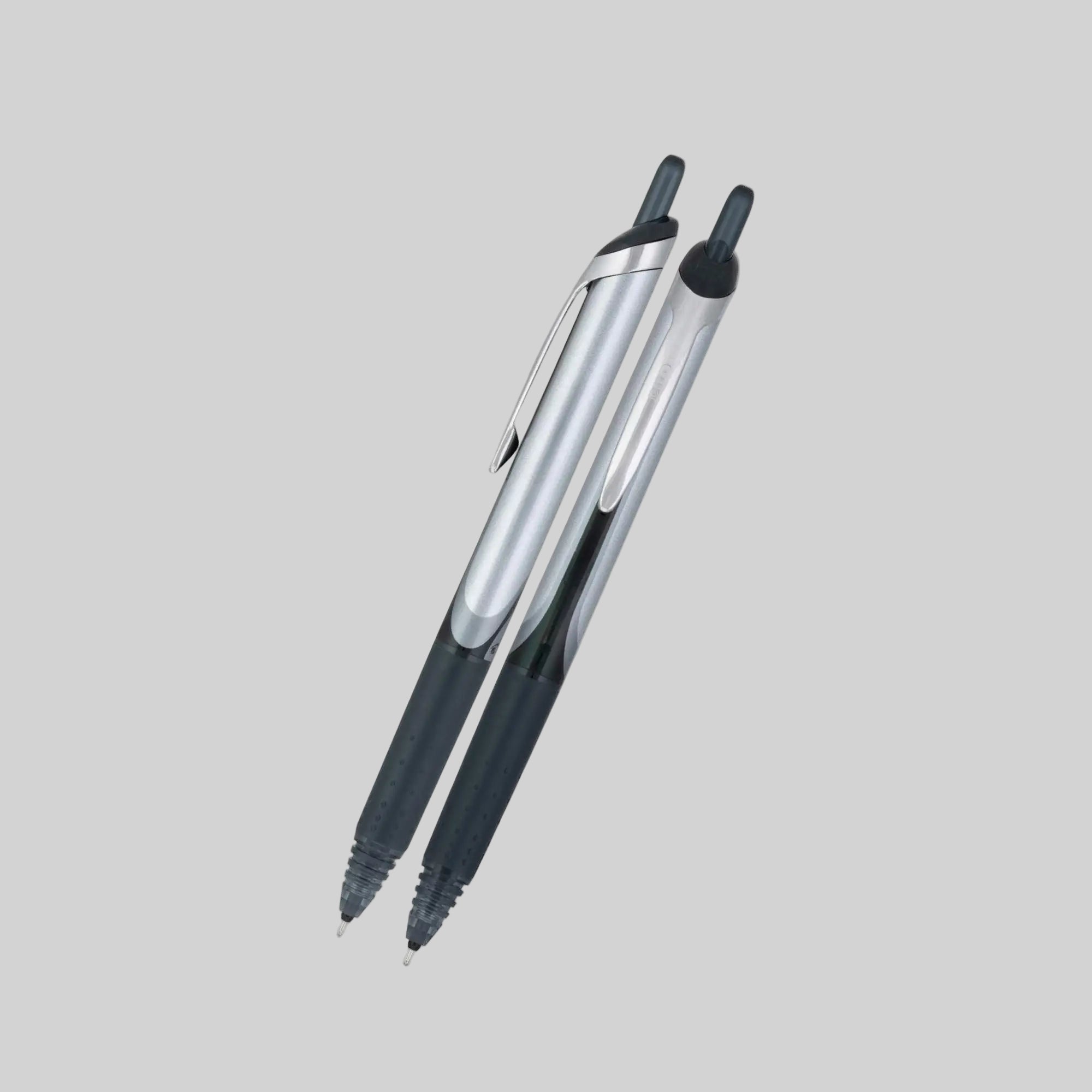
Many modern retractable options incorporate specialized pen grips on the lower half of the barrel. Often categorized as part of the overall trim, these soft rubber or textured plastic sections provide ergonomic support during prolonged writing sessions. Adding a comfortable grip significantly increases the likelihood that a recipient will choose your pen over others on their desk.
5. Clips and Retraction Caps
The clip serves a vital functional purpose, allowing users to secure the writing tool to pockets, folders, portfolios, or notebooks.
Clips generally fall into two design categories:
- Integrated Retractable Caps: Found on click-action models, where the mechanism is built directly into the upper assembly.
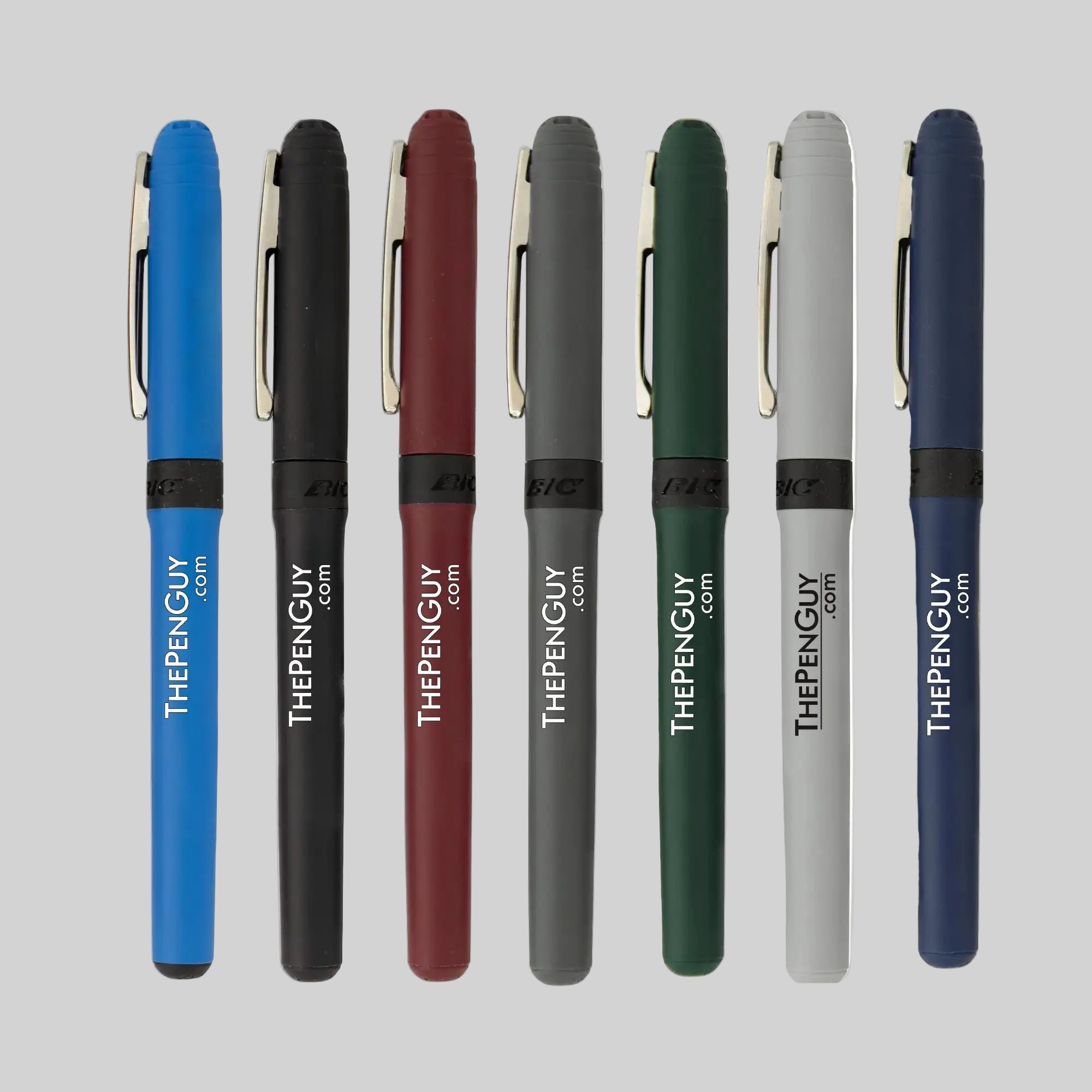
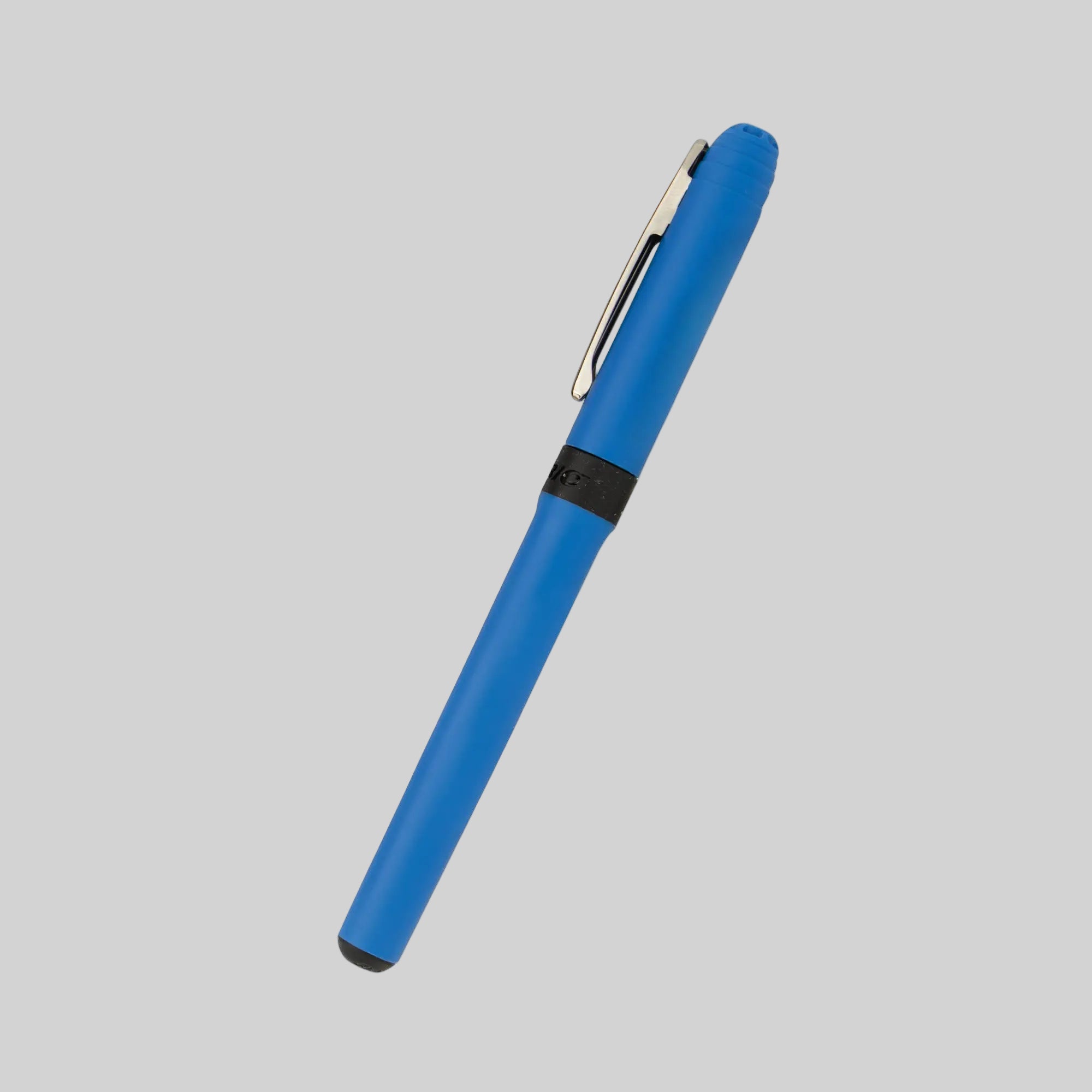
- Removable Caps: Found on rollerball or stick pens, where a separate, fully removable cap protects the writing tip and ink cartridge from drying out when not in use.

Maximizing Your Branding Placement
Understanding where and how your graphics can be applied ensures your contact information remains clear, legible, and visually striking.
6. Main Barrel Imprint
The logo imprint on the main barrel is the focal point of your design. Because this area offers the largest surface canvas, it is the ideal location for your primary company name, corporate logo, or core website URL.
When finalizing your barrel graphics, keep these best practices in mind:
- Prioritize Contrast: Ensure light logos are paired with dark barrels, or dark logos with light barrels, to maximize legibility from a distance.
- Emphasize Simplicity: Clean, uncluttered typography and vector shapes read much better on a curved barrel surface than complex photographic gradients.
7. Custom Clip Imprinting (Clip Imp)
For businesses looking to maximize their marketing footprint, select models support a secondary print zone known as a clip imprint (Clip Imp).
While the barrel holds your main branding, the clip is an excellent, strategic location to feature high-priority secondary information, such as:
- A corporate toll-free phone number.
- A short, punchy marketing tagline.
- A specific campaign landing page or social media handle.
By utilizing both the main barrel and the clip imprint areas, you can separate your visual logo from your direct contact details, ensuring your custom promotional pens look clean, balanced, and professionally balanced.

Ready to Design Your Perfect Custom Pen?
Family-owned since 1980, we put your logo on high-quality products people actually use every day. Whether you need budget-friendly plastic options for a large trade show or premium metal writing tools for your executive team, our experts ensure your artwork is perfectly positioned across every component.