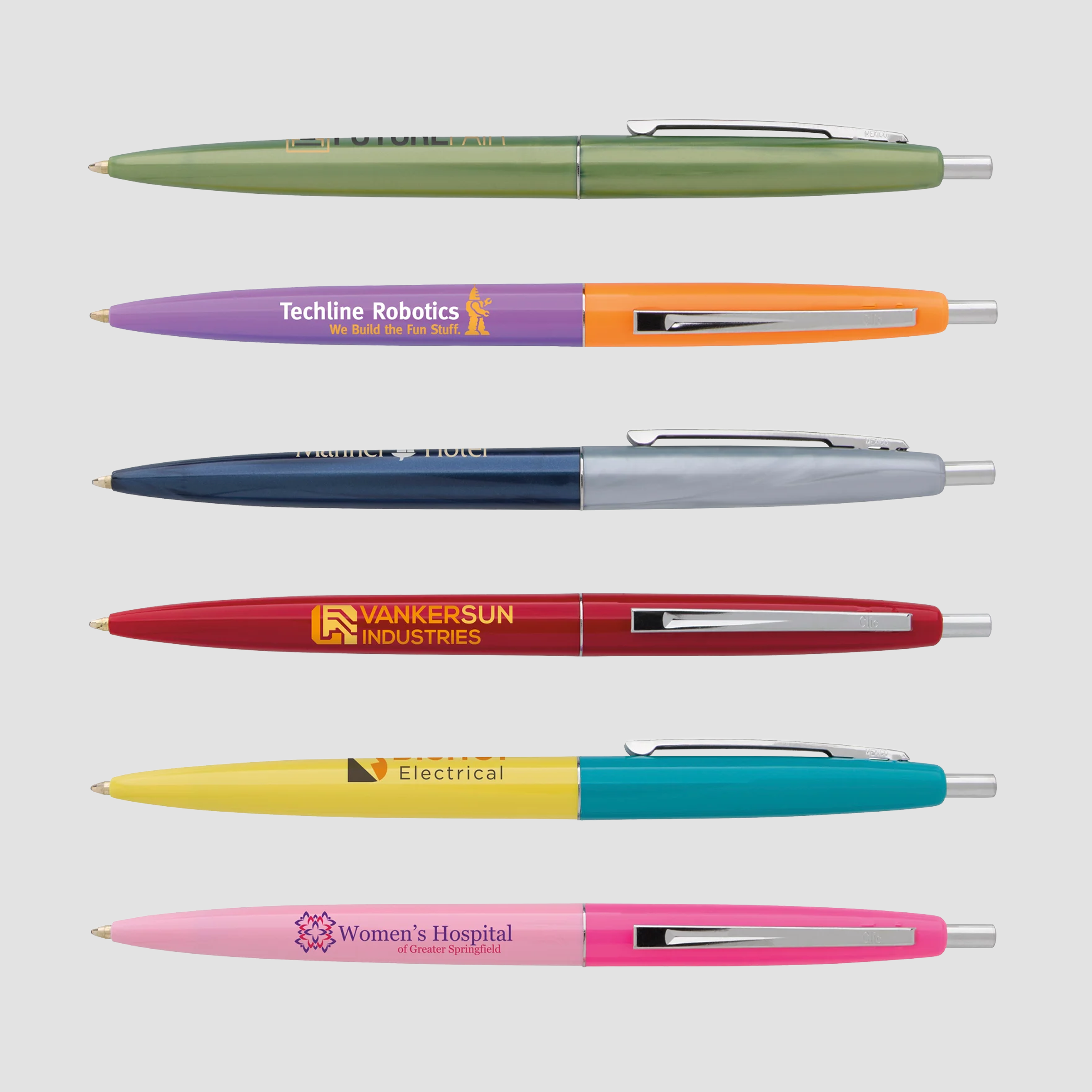
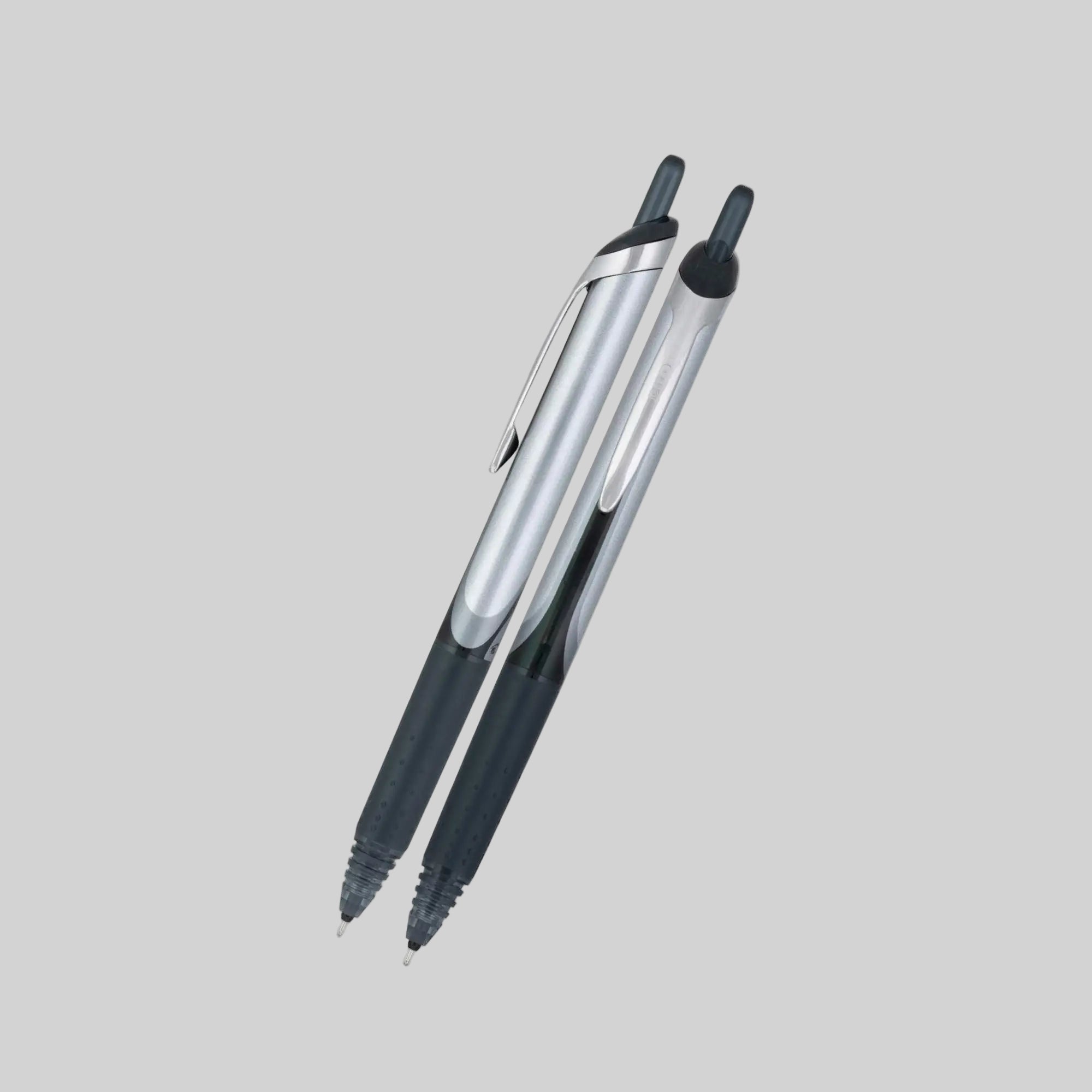
Ballpoint vs. Gel Pens: A Definitive Guide for Your Next Promotional Order
Choosing the right promotional pen is a critical marketing decision. While gel pens offer vibrant colors for eye-catching logos, a smeared signature on a client contract sends the wrong message. The choice between a ballpoint and a gel pen comes down to the ink technology, which impacts everything from performance to brand perception. Understanding this distinction ensures you select a pen that serves as a reliable marketing asset, not a frustrating liability. Before you place your next bulk order, let’s clarify which pen aligns with your corporate needs.
Key Takeaways:
- Ballpoint pens use a thick, oil-based ink that requires more pressure. This ensures reliability on diverse surfaces like carbon copies and glossy mailers. Gel pens use a water-based gel for a smoother, effortless writing experience, ideal for premium client-facing documents.
- For rapid note-taking or for left-handed team members, ballpoint ink dries instantly. This prevents smudges on important paperwork. Gel ink requires a few seconds to set, making it less suitable for fast-paced environments where documents are handled immediately.
- Ballpoint pens excel on non-porous surfaces where gel pens typically fail. Their oil-based ink adheres reliably to glossy brochures or multipart forms, ensuring your brand's contact information remains legible.
- Gel pens deliver superior color vibrancy and saturation, making your company logo and branding pop with exceptional clarity. Ballpoint ink can appear less consistent, which may not align with a premium brand image.
- From a budget standpoint, ballpoint pens offer a significantly longer lifespan. This makes them a cost-effective choice for large-scale trade show giveaways. Gel pens are consumed faster due to higher ink output, positioning them as a high-impact promotional item for key clients.
Understanding the Core Pen Technologies
Approximately 100 billion pens are produced annually worldwide. A significant portion of these are used for promotional marketing and corporate supply. While it’s easy to grab any pen for a quick note, the mechanics inside dictate performance. The ink viscosity and delivery mechanism determine everything from writing pressure to smudge resistance, directly impacting the user's experience with your branded merchandise.
Most pens fall into three main categories:
- Ballpoint (thick, oil-based ink)
- Gel (water-based gel ink)
- Rollerball (liquid, water-based ink)
Once you understand the core chemical differences, selecting the right tool for your marketing campaign or office supply becomes a strategic decision.
| Feature Category | Technical Details |
|---|---|
| Ink Base | Oil vs. Water-based Gel |
| Writing Pressure | Heavy pressure needed vs. Light touch |
| Drying Speed | Almost instant vs. Requires a few seconds |
| Line Quality | Thin and consistent vs. Thick and vibrant |
The Ballpoint: Your Everyday Workhorse
László Bíró patented this design in 1938 to solve the problem of leaking fountain pens, creating the most reliable writing tool in history. The key is its oil-based ink paste. This thick, sticky, and hydrophobic ink dries almost the instant it contacts paper. You can write on a glossy surface or a packing slip without the ink feathering. Because the ink is so heavy, gravity has less effect, allowing you to write at unconventional angles.
The ink's viscosity requires more downward pressure to get the ball rolling and transfer the paste onto the page. This creates familiar friction during writing. While not the smoothest experience, it is incredibly durable. A standard ballpoint can write for about 2 to 3 kilometers, which is why they are often lost before they run out of ink, extending your brand's visibility.
The Gel Pen: The Vibrant Communicator
Sakura Color Products in Japan invented this technology in the 1980s, combining a ballpoint's durability with a rollerball's smooth ink flow. The secret is a water-based gel that uses pigments instead of dyes. This allows for the vibrant colors, including metallic and opaque options, that are chemically impossible with oil-based ink. When you write with a gel pen, you are laying down a thick, bold line that sits on top of the paper fibers.
The writing experience feels incredibly smooth because the gel liquifies as the ball spins, a process known as shear thinning. You barely need to touch the page. However, this fluid flow comes at a cost. A gel pen may only provide 500 meters of writing distance. For left-handed users, the slower drying time can lead to smudging on important documents.
Skipping can be an issue if the pen is left uncapped. The water-based ink can dry at the tip, forming a plug. A quick scribble on a non-damaging surface, like the rubber sole of a shoe, can create enough friction to dislodge the dried ink and restore flow.

Why It Matters: Choosing the Right Pen for Your Needs
What is Your Corporate Writing Style?
A pen is not a one-size-fits-all tool. For rapid note-takers in meetings or brainstorming sessions, a ballpoint is the superior choice because its oil-based ink dries instantly. It keeps pace with fast writing without smudging. This is especially critical for left-handed professionals who often contend with smeared ink from slow-drying gels.
However, if your work involves deliberate, high-impact writing, such as signing certificates or personalizing client thank-you cards, gel pens excel. The free-flowing, water-based ink requires minimal pressure, reducing hand fatigue during extended use. It is about matching the tool to the task. For high-pressure environments, choose a ballpoint; for a light, premium touch, a gel pen is more suitable.
How Do You Want Your Brand to Shine?
Placing your logo on a cost-effective pen is a start, but the quality of that pen sends a message. A premium gel pen with a comfortable grip and smooth ink flow feels substantial and communicates a commitment to quality. It creates a tactile experience that associates your brand with precision and vibrancy. The debate over the best pen type for corporate branding: ballpoint or gel, often hinges on this perceived value.
On the other hand, ballpoints are the workhorses of promotional marketing for a reason: they are built for endurance. A standard ballpoint can write for hundreds of meters more than a gel pen. If longevity is your primary goal, ensuring your logo remains on a client's desk for months, the ballpoint offers superior staying power. The discussion of custom gel pens vs ballpoint pens for corporate branding comes down to your primary objective: long-term visibility or immediate impact.
Also, consider the "borrow factor." A high-quality custom gel pen that writes beautifully is a coveted item in any office, increasing its exposure as it gets passed around. It turns a simple giveaway into a talking point. For massive distribution at a trade show where cost-effectiveness is key, ballpoints are the logical choice. At The Pen Guy, we help you align your promotional products with your specific marketing goals.
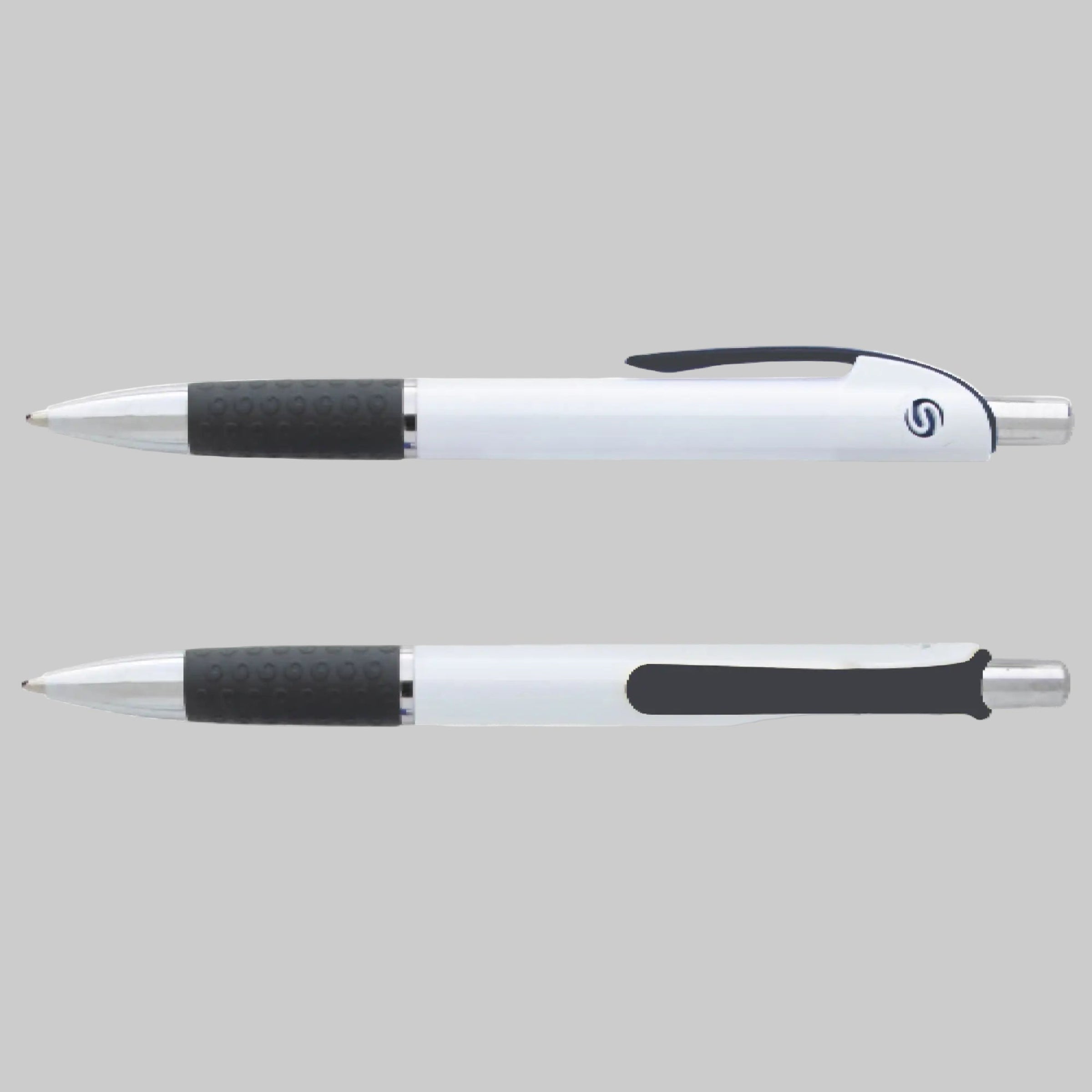
Akoni Metal Ballpoint Pen

Do You Need to Write on Different Surfaces?
We often assume all writing happens on standard paper, but business operations involve many surfaces. Try signing a glossy receipt or a carbon copy form with a gel pen, and you will encounter smearing. For anything with a glossy finish, carbonless forms (NCR paper), or porous paper that bleeds, the thick, oil-based paste of a ballpoint is necessary. It grips slick surfaces where water-based inks cannot.
Gel pens perform best on high-quality, absorbent paper that allows their vibrant colors to shine. On standard copy paper or a notebook, the gel ink bonds well while leaving saturated color on the surface. Be cautious with thin paper, as the water-based ink can bleed through to the other side.
Consider the writing environment. In logistics, healthcare, or field operations, moisture can be a factor. Standard gel ink may bleed if it gets wet. Ballpoint ink is water-resistant once dry, making it the reliable choice for labeling in a damp warehouse or filling out field reports.
The Lowdown on Ballpoint Pens
Ballpoint pens are the undisputed workhorses of the writing world. They use an oil-based ink paste that is significantly thicker than other inks, which is why they rarely leak. The design has remained largely unchanged since László Bíró perfected it, proving its timeless utility.
How They Work: The Mechanics Behind the Magic
Gravity pulls the viscous ink toward a tiny metal ball, typically made of steel, brass, or tungsten carbide, at the tip. As you write, friction rolls the ball, which picks up ink from the reservoir and transfers it onto the page. Because the oil-based ink sits on top of the paper fibers instead of soaking in, it dries quickly and produces a distinctively controlled feel.
The Good Stuff: Ballpoint Pros You Need to Know
Longevity is the primary advantage. A single quality ballpoint can write for up to 2,500 meters, far outlasting its gel counterparts. It can be left uncapped for extended periods without drying out, making it the ideal tool for busy office environments.
The lack of smudging is another key benefit. Left-handed writers often prefer ballpoints because the oil-based paste dries almost instantly. Furthermore, the mechanism handles variable pressure well. You can press hard to write through carbon copies or multi-part forms, a task that liquid ink pens cannot manage without bleeding.
The Not-So-Great Stuff: Ballpoint Cons to Consider
The thick ink can cause hand fatigue during long writing sessions. More pressure is required to keep the ink flowing, creating tension in your grip. Inconsistency can also be an issue, leading to "railroading" (where the ink splits into two thin lines) or messy blobs of ink accumulating on the tip.
Visually, the lines are not as solid or vivid as those from a gel pen. Close inspection of ballpoint writing reveals tiny gaps where the paste did not fully cover the paper, resulting in a less saturated appearance that may not be suitable for a premium signature.
Gel Pens: Are They Really Worth It?
The difference between a generic ballpoint and a quality gel pen, like a Pilot G2 or Uni-ball Signo, is immediately noticeable. The smoothness is the main appeal, but the performance is rooted in the ink's chemistry. Gel pens bridge the gap between the reliability of a ballpoint and the fluidity of a fountain pen, but this hybrid nature comes with its own set of considerations.
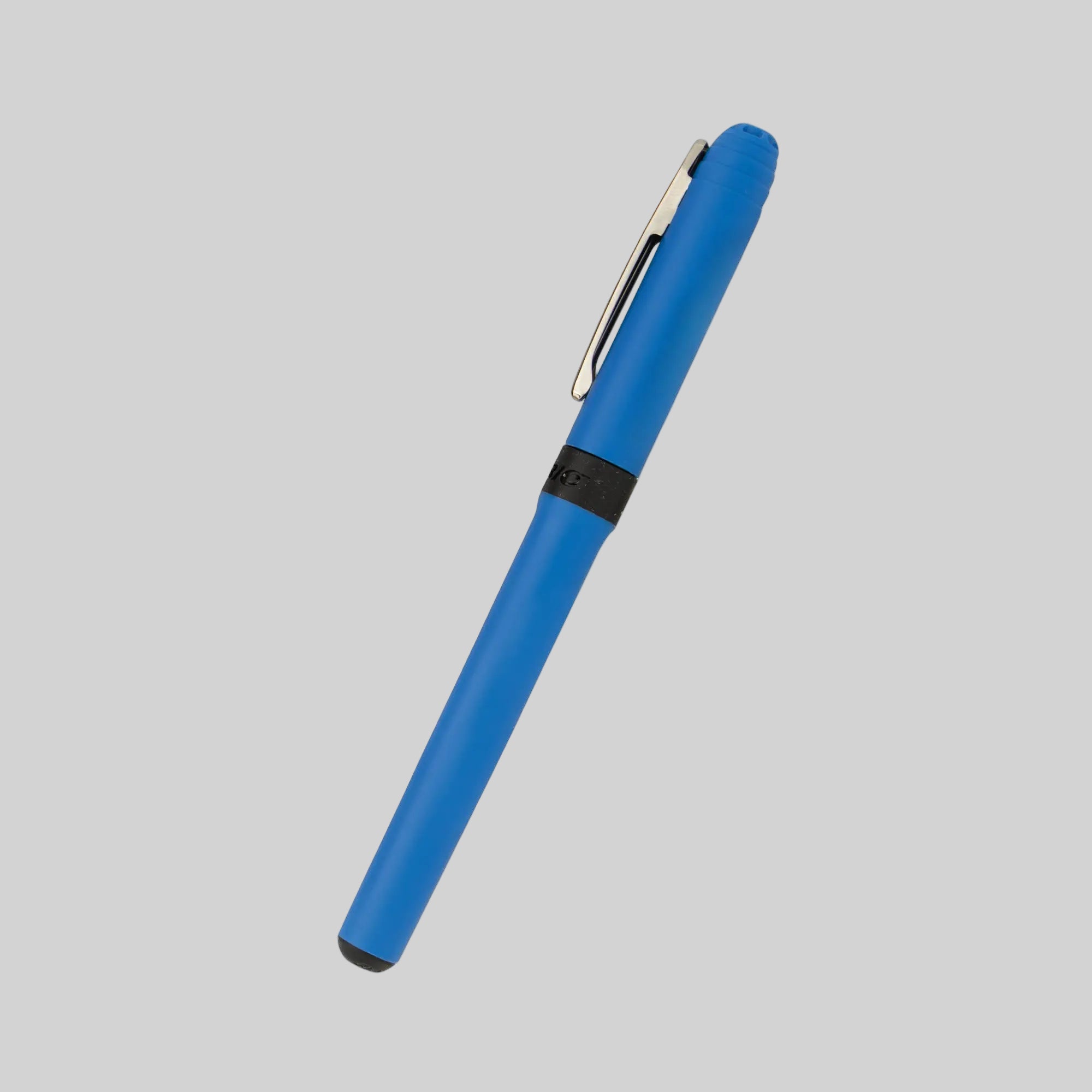
RiteLine Alvin Soft Touch Gel Roller Pen

Getting to Know Gel Pens: The Inside Scoop
Gel ink consists of pigment suspended in a water-based gel, unlike the oil-based dye paste in ballpoints. The water base allows for a higher concentration of pigment, which produces exceptionally vibrant colors. The ink is thixotropic, meaning it is semi-solid in the tube but becomes liquid when the ball's rotation agitates it. This allows it to flow faster and create a bold, opaque line that is ideal for signatures and client-facing documents.
Top Benefits of Gel Pens - Why People Love 'Em
The color variety is nearly infinite. Because the pigment is suspended, manufacturers can create vibrant neons, metallics, and pastels that show up on dark paper. The vibrant color options and smooth flow make them a premium choice. For a detailed look at top-performing models, explore our guide to the best gel pens.
The primary benefit is the writing experience. Little pressure is needed to get the ink flowing, which reduces hand fatigue during long note-taking sessions. It glides effortlessly. Additionally, many modern gel inks, like those in the Uni-ball Signo 207, are formulated for security. The ink becomes trapped in the paper's fibers, making it resistant to "check washing" and other forms of document fraud.
Drawbacks of Gel Pens - Things to Watch Out For
The biggest challenge is smudging, especially for left-handed users or fast writers. The water-based ink sits on top of the paper for a moment before drying, creating a risk of smearing. You will also go through refills much faster. A standard gel cartridge may only last for about 500 meters of writing, while a ballpoint can last for over 2,000 meters.
Occasional skipping is another issue. If a gel pen is dropped or an air bubble enters the tube, the ink flow can be permanently interrupted. It is frustrating to have a pen that is full of ink but refuses to write a consistent line.

Pros and Cons: The Ultimate Showdown
Choosing between these two pens is like deciding between a reliable utility vehicle and a high-performance car. One offers endurance and versatility, while the other provides a superior experience at the cost of efficiency. To determine which tool belongs in your office or promotional campaign, here is a breakdown of where each type excels and falters.
At a Glance: The Trade-offs
| Feature | Ballpoint Pen | Gel Pen |
|---|---|---|
| Ink Viscosity | Thick, oil-based paste | Fluid, water-based gel |
| Writing Pressure | Requires firm pressure | Requires very light touch |
| Drying Time | Instant drying | Takes 5-15 seconds |
| Smoothness | Can feel scratchy or drag | Glides effortlessly |
| Ink Lifespan | Lasts for kilometers | Runs out quickly |
| Paper Bleed | Rarely bleeds through | High risk on thin paper |
| Smudging Risk | Very low | High (especially for lefties) |
| Color Vibrancy | Often dull or faint | Bright, opaque, and vivid |
| Starting | Needs a scribble to start | Starts immediately |
| Water Resistance | Highly resistant | Can run if wet |
Ballpoint’s Strengths and Weaknesses
For sheer reliability, the classic ballpoint is unmatched. Its oil-based ink is incredibly durable, with a standard pen capable of drawing a line up to 3 kilometers long. It can sit uncapped for a year and still work because the thick paste does not evaporate like water-based inks.
However, this reliability comes at a physical cost. The thicker ink requires more friction and pressure, which can lead to hand cramps during long meetings. The writing experience can also be inconsistent, with occasional "blobbing" at the tip that leaves smears on the page.
Gel's Advantages and Disadvantages
Switching to a gel pen provides an immediate improvement in writing comfort. The water-based ink flows freely with minimal pressure, making handwriting look bolder and more deliberate. The vast color variety allows for creative applications, like color-coding, that standard ballpoints cannot match. You get a consistent, solid line perfect for professional signatures.
The main downside is consumption. Gel ink is used up at a much faster rate, often lasting less than half as long as a standard ballpoint refill. This makes carrying backups essential for heavy users. Additionally, the longer drying time poses a significant challenge for left-handed writers, who risk smearing their notes.
Head-to-Head: Which One Comes Out on Top?
A clear winner depends entirely on the application. For signing carbon copy forms, checks, or writing on low-quality paper, the ballpoint is the superior choice because it dries instantly and will not bleed through. It excels at utilitarian tasks like creating grocery lists, taking quick notes, and writing on documents that might be exposed to moisture.
However, for crafting a handwritten thank-you card or journaling on high-quality paper, the ballpoint will appear faint. The gel pen is the winner here, laying down a solid, opaque line that commands attention with zero hand pressure. Most professionals find they need both: a supply of cost-effective ballpoints for daily logistics and a set of premium gel pens for tasks where impression and comfort matter.
For whatever your needs are, shop our gel pens or ballpoint pens today.
FAQs
What is the primary difference between ballpoint and gel ink?
The core difference is the ink's solvent. Ballpoint pens use a thick, oil-based paste that is viscous and quick-drying. It sits on top of the paper. Gel pens use a water-based gel that holds suspended pigments. This ink is more fluid, which allows it to flow faster and deliver more vibrant color, but it takes longer to dry and is consumed more quickly.
Which pen writes smoother?
Gel pens offer a significantly smoother writing experience. The low-viscosity, water-based ink reduces friction, allowing the pen to glide across the paper with minimal pressure. This helps prevent hand fatigue during long writing sessions. Ballpoints require more pressure to get the ink flowing, creating a more controlled but less smooth sensation.
Why do my gel pens smear so much?
Gel ink smears because it is water-based and takes longer to dry than the oil-based paste in a ballpoint. The ink sits on the surface of the paper for a few seconds before it fully sets, creating a risk of smudging, especially for left-handed writers. Ballpoint ink dries almost instantly, making it a much safer option for rapid note-taking or for documents that will be handled immediately.
Can I use gel pens on cheap paper?
While you can use gel pens on any paper, they are not ideal for low-quality or thin paper. The fluid, water-based ink tends to be absorbed deeply, which can lead to "ghosting" (visibility on the reverse side) or "bleeding" (soaking through the page). Ballpoint ink, being thicker and oil-based, stays on the surface and performs much better on cost-effective paper stocks.
Which type of pen lasts longer?
Ballpoint pens last significantly longer than gel pens. A standard ballpoint can write for several kilometers because its thick, oil-based ink is dispensed very sparingly. A gel pen lays down a much heavier and wetter line of ink, causing it to run out three to four times faster. For high-volume writing tasks or stocking an office, ballpoints are the more economical choice.