The Ultimate Guide to Custom Printed Coffee Mugs: Boosting Brand Visibility & ROI
Understanding why some branding fades in the dishwasher while other branding lasts for years is key to a successful campaign. When ordering custom printed coffee mugs, you are selecting from various ink types and firing temperatures. You want a product that remains on your customer's desk and provides lasting brand exposure. Let's examine the printing techniques to help you avoid expensive mistakes.
Recent market trends show a clear shift toward high-quality, customized mugs over standard corporate drinkware. This indicates a move away from disposable promotional items toward "statement" pieces that users value. When planning your order, consider that this item will be in someone's hand every morning. The tactile experience is crucial. If the ceramic feels thin or the handle is uncomfortable, the mug will not be used, regardless of its design.
Modern printing options, from dye sublimation to kiln-fired decals, offer permanent branding solutions. There is no reason for designs that peel off after one wash.
Key Takeaways:
- Perceived value is about weight. A heavier mug feels more substantial and valuable. Flimsy, lightweight cups project a low-quality image. Spending slightly more on a heavier ceramic or stoneware base ensures the item feels premium and is retained.
- Accommodate all users. Most designs are printed for a right-handed drinker, missing half the potential visibility. A wrap-around or double-sided design ensures your message is seen by everyone and provides a more complete, professional appearance.
- The dishwasher is the ultimate test. Few people hand-wash mugs. A print that flakes off after a few washes becomes useless. Verify the printing method is rated for high heat and detergents to protect your investment.
- Handle shape determines usability. An uncomfortable handle makes a mug difficult to use. Test the handle comfort before committing to a bulk order, as an awkward grip will prevent daily use. Comfort is essential for a coffee mug.
- Colored interiors add distinction. A plain white interior shows coffee stains easily. A mug with a colored interior or rim hides stains and adds a surprising element of color, making the item feel more unique and less generic.
The Strategic Value of Custom Mugs
Longevity and Daily Use
Your office likely has a drawer full of unused promotional pens and broken keychains. A ceramic mug is different because it is a useful tool that becomes part of a daily routine, often lasting for years. Studies on promotional products show that drinkware is kept for an average of 12 months or longer. This means your logo achieves consistent exposure in a person's kitchen or office.
People often form an attachment to "their" mug at work. Once your branded mug becomes the preferred choice for daily coffee, you have secured valuable real estate on a desk. It remains visible through meetings, calls, and deadlines, acting as a constant brand advocate.
Everyday Impressions and Brand Exposure
Consider the mathematics of coffee consumption. If an average person drinks three cups a day, that results in over a thousand visual interactions with your brand annually from a single item. You are not just giving a gift; you are securing thousands of moments where your business name is visible, associating your brand with the positive feeling of a morning coffee.
The cost per impression (CPI) for custom mugs is exceptionally low. Given their low initial cost and long lifespan, you end up paying fractions of a penny each time someone sees your logo. It is effective passive advertising. Unlike a digital ad that disappears instantly, a mug provides a tangible, physical presence that gets attention with every use.
This exposure extends beyond the primary user. When the mug is on a desk during a video call or in a conference room, it is visible to colleagues and clients. It turns your customer or employee into a brand ambassador, expanding your reach without additional effort.
The Versatility of Mugs as Marketing Tools
A mug is more than a container for liquid; it is a versatile marketing tool. You can fill it with candy for a holiday gift, include it in a wellness kit with tea bags, or use it in an onboarding package for new hires. It is equally effective as a client apology gesture or as a reward for a team that meets its goals. Pair your custom printed coffee mugs with versatile options from our custom promotional drinkware collection.
Even if the recipient does not drink coffee, mugs often become desktop organizers for pens, highlighters, and other supplies. Your brand remains visible, organizing a workspace and keeping your logo in sight.
Customization options now include matte finishes, cork bottoms, and reactive glazes that give the mug an artisanal feel. By matching the style of the mug to your brand—sleek for tech, sturdy for construction—you ensure the item feels like a genuine extension of your company identity.
Effective Use Cases for Custom Mugs
Many businesses treat branded drinkware as an afterthought, placing a logo on a white mug and hoping for the best. This is a missed marketing opportunity. View these mugs as strategic assets that can land directly on a decision-maker's desk. When you tailor the mug's purpose to a specific scenario, the retention rate increases from weeks to years.
Context is everything. A travel tumbler is ideal for a field team, while a heavy, campfire-style mug suits client appreciation packages during the holidays. By matching the product and design to the end-user's lifestyle, you become part of their daily routine.
Client Gifts That Get Used
To ensure your gift is used, the design must be thoughtful. Minimize your corporate logo or place it on the bottom. Focus on a design that reflects the client's interests or industry. A high-quality ceramic piece with a witty, industry-specific quote on one side and subtle branding on the other is a welcome accessory, not an advertisement.
Packaging is also important. Do not just use a standard cardboard box. Wrapping the mug in branded tissue paper or including a small bag of local coffee beans transforms a promotional item into a high-value care package.
Boosting Employee Morale
Onboarding is an ideal time to provide a custom mug, as it immediately fosters a sense of belonging. Instead of standard company items, create exclusive "Year One" or "Founding Team" designs that serve as internal badges of honor. This can create a strong sense of pride and exclusivity.
While it may seem small, a tangible symbol of group membership can increase loyalty. When your team uses matching mugs during meetings, it reinforces a sense of unity. Personalizing mugs with names also solves the common office problem of identifying ownership.
Do not compromise on quality. Your employees will recognize a low-cost item. If the handle gets too hot or the print chips, the message changes from appreciation to indifference. Invest in heavier stoneware or insulated travel mugs to show you value their comfort and daily needs.
Trade Show Items That Stand Out
Conferences are often filled with low-quality plastic items that are quickly discarded. A custom mug has a physical weight and perceived value that makes it difficult to throw away. It is more likely to be taken home or to the office. While competitors offer disposable items, your mug secures permanent real estate next to a prospect's keyboard. The best promotional coffee mugs for trade shows are both durable and practical.
The impressions-per-dollar ratio is highly favorable. A pen may be used a few times, but a mug generates thousands of impressions over its lifespan by sitting in plain view. You gain years of daily visibility for a small initial investment.
People also form a tactile connection with drinkware. We all have a favorite mug that feels just right. If your branded piece becomes that chosen item, you have achieved a significant marketing goal. You become part of their comfort routine, associating your brand with the positive feelings of their morning coffee.
Designing the Perfect Mug
Quality Matters: Choosing the Right Material
The material of the mug dictates the user experience. A mug that feels light or has a rough handle immediately signals "low quality." Look for high-fired stoneware or Grade A ceramic, which is kiln-fired at over 2000°F to prevent the glaze from cracking. A heavier mug implies substance and durability, suggesting your company is solid and reliable.
The material also affects design perception. An off-white or cream-colored mug can alter the appearance of your brand colors, making blues and grays appear dull. If your brand guidelines are strict, use bright white porcelain or bone china for a neutral background that ensures color accuracy.
Less is More: The Art of Simple Designs
Wrapping a panoramic photo or a large block of text around a curved surface often results in a warped or cutoff design. The curvature of a standard 11oz mug hides about a third of the design at any angle, so filling every inch with graphics creates visual noise.
The mugs you use most likely feature a logo or slogan no wider than 2.5 to 3 inches, centered to face the drinker or someone opposite them. White space provides breathing room and frames your message, preventing a cluttered look. A clean, isolated design commands attention.
Use vector files for your artwork. A blurry JPEG will look worse on ceramic than on a screen. Vector files use mathematical equations instead of pixels, ensuring lines remain sharp at any scale. This gives your logo a professional appearance.

Color That Pops: Making Your Mug Stand Out
Contrast is critical. Black ink on a navy blue mug is nearly invisible. If you use a dark-colored mug, you need a white underbase—a layer of white ink printed first—or a high-opacity ink to prevent the mug's color from showing through and obscuring your design.
Do not trust your monitor's colors. A bright neon green on your screen is RGB (light-based), while a mug is printed in CMYK or Pantone colors (ink-based). That vibrant screen color may print as a dull forest green. Always request a physical proof or check a Pantone book to see the actual color before placing a large order.
A two-tone mug, with a colored interior or handle, is a great way to add color without overwhelming the design. It gives the product a more expensive, custom feel even with a standard one-color logo. This adds depth and personality without the cost of a complex multi-color print.
The Importance of Sustainability
Eco-Friendly Choices
The typical office trash bin is full of wax-lined paper cups that are not recyclable. These cups are lined with polyethylene, a plastic that clogs recycling machinery and ends up in landfills. By providing a high-quality ceramic or stainless steel mug, you actively reduce waste.
The impact is significant. If one client replaces their daily disposable cup with your branded mug, they prevent about 23 pounds of waste per year. Scale that to 500 mugs from a trade show, and the environmental benefit grows quickly.
Enhancing Brand Image Through Sustainability
A cheap, flimsy plastic item from a conference often reflects poorly on the company that gave it. Compare that to receiving a solid, reusable coffee mug. The quality translates directly to brand perception. Customers increasingly associate eco-consciousness with premium service.
When you choose sustainable drinkware, your brand benefits from a "halo effect." If your company cares about the planet, customers assume you also care about them and your product quality. This builds trust efficiently. A unique, eco-friendly mug is also more likely to appear in the background of social media posts, providing organic reach.
There is also a psychological connection related to shared identity. When a customer uses your sustainable mug, they signal their support for environmental causes. Your brand becomes a part of their personal identity by facilitating this signal, creating a strong emotional bond.
Aligning Brand Values with Reusable Products
A company that claims to value the future while using Styrofoam cups at its headquarters lacks credibility. This inconsistency can make people uncomfortable. If your mission statement includes responsibility or longevity, your promotional products must reflect those values. A custom ceramic mug is durable, permanent, and useful, making it a physical manifestation of your principles.
This is about demonstrating your commitment. A "We Love the Earth" statement on your website is one thing; putting a reusable product in a client's hand is proof. It shows you have considered the lifecycle of your marketing materials and chosen to avoid contributing to a throwaway culture.
This alignment also improves internal morale. Employees know when the company invests in its values. Seeing the company choose sustainable gear reinforces that they work for a responsible organization. It turns your staff into stronger brand advocates because they are proud of the items they distribute.
Practical Tips for Ordering Mugs
Companies are shifting from disposable promo items to retail-quality merchandise that feels good to hold. If you give a client a lightweight, fragile mug, they may subconsciously associate that quality with your brand. Before designing, verify the technical specifications, as shipping costs for heavy, fragile items can be substantial.
Treat this as a logistics project, not just a creative one. To keep your project on track, follow these guidelines:
- Request a physical pre-production sample instead of relying on a digital proof, as colors look different on fired clay.
- Check the kiln-firing temperature for durability; high-fire decals (around 1200°F) last longer.
- Ask about "over-runs" and "under-runs," as suppliers may ship up to 5% more or less than ordered.
- Confirm packaging details to ensure individual gift boxes are included if needed.
The success of your campaign often depends on these logistical details.
Picking the Right Size and Shape
The standard 11oz C-handle mug is the most common choice due to its price, but it can feel outdated. If you are targeting a younger demographic or remote workers, a 15oz mug increases the perceived value without a significant price increase. It feels more substantial and provides a larger surface area for your design.
Size is not the only factor. For commuters or field engineers, a traditional ceramic mug is impractical. A ceramic-lined travel tumbler that fits in a car cup holder is a better choice. Match the product to the user's lifestyle.
Customization Options
Do not just put a logo on one side. A "bottom print," where a message is printed on the inside bottom of the mug, creates a moment of surprise when the user finishes their drink. Consider a full-wrap design to use the entire canvas for a pattern or story.
Instead of printing your logo on a white mug, try color-matching the handle or interior to your brand's primary color. This dual-tone look feels more custom. Laser etching on matte finishes can create a tactile, stone-like feel that will not fade.
Adding a QR code to the design, preferably facing the drinker, can drive traffic to a landing page or special offer. Ensure the code is at least 1 inch square to scan easily on the curved surface.
Finding a Trustworthy Supplier
Choosing the cheapest supplier can lead to problems like broken items. A reliable supplier, such as The Pen Guy, will have a clear policy on breakage rates (1-2% is standard) and offer credit or refunds for damaged goods. If a potential supplier hesitates to discuss shipping insurance or packing methods, look elsewhere.
Another warning sign is a supplier who cannot tell you where the mugs are decorated. While blank mugs are often imported, you want a vendor who handles printing domestically. This gives you more quality control and avoids long shipping delays. Ask if they have in-house kilns or if they outsource the printing.
Finally, check reviews for "print durability" or "dishwasher safety." Some vendors use low-quality sublimation coatings that peel or fade quickly. You need a partner who stands by the longevity of their print, as your brand is attached to it.

Pricing and Investment
Budget vs. Quality
Industry data shows that mugs costing less than $3 per unit have a higher rate of handle failure. Saving fifty cents per unit may seem smart, but if the handle breaks while a client is using it, the savings become a liability. Low-cost promotional gear often ends up discarded, wasting your marketing budget. You want an item that feels substantial, as people associate the weight and finish with the quality of your business.
You do not need fine bone china. A price point between $5 and $8 typically provides kiln-fired durability that survives the dishwasher without fading. Your brand's reputation is on that ceramic, so invest wisely in the product itself.
Bulk Orders
Most suppliers reduce the price per unit by nearly 40% when you order 144 pieces or more, a standard case quantity. Ordering a small batch of 36 or 48 mugs may seem like a good test, but setup fees of $40 to $60 can make the per-unit cost much higher. The economics favor larger orders of bulk custom mugs with logo.
However, be realistic about your storage space. A low per-unit price is not worth the hassle if you are tripping over boxes for years. Plan your distribution for the entire year. If you have three trade shows, an employee appreciation day, and a holiday gift season, ordering 500 units at once is more efficient than placing four separate small orders. You save on shipping, lock in the price, and have inventory ready for unexpected opportunities.
The Long-Term Investment
A study by the ASI found that a single promotional mug generates roughly 198 impressions over its lifetime. This results in a cost-per-impression of fractions of a penny, outperforming digital ads. A mug sits on a desk for years, becoming a fixture in someone's daily ritual.
They use it for morning coffee, afternoon tea, or as a pen holder. This repeated exposure builds subconscious trust. This tangible value is hard to replicate with other forms of advertising.
Do not forget the referral potential. When a coworker asks about the mug, your brand enters a conversation organically. The return on investment is not just the person holding the mug but also everyone around them who sees your logo during meetings, creating a lasting ripple effect.
Mugs for Every Occasion
Holiday Gifts and Special Occasions
Smart brands are sending promotional items during less saturated times, like "Christmas in July" or for Halloween, to avoid the end-of-year rush. If you wait until November to order 500 ceramic pieces, you risk supply chain delays that could leave clients empty-handed until January.
Ordering at least 6-8 weeks in advance is ideal. Seasonal designs, such as matte black for autumn or metallic gold for New Year's, have a higher perceived value than a standard white mug with a logo. It feels more like a gift and less like an advertisement.
Events and Conferences
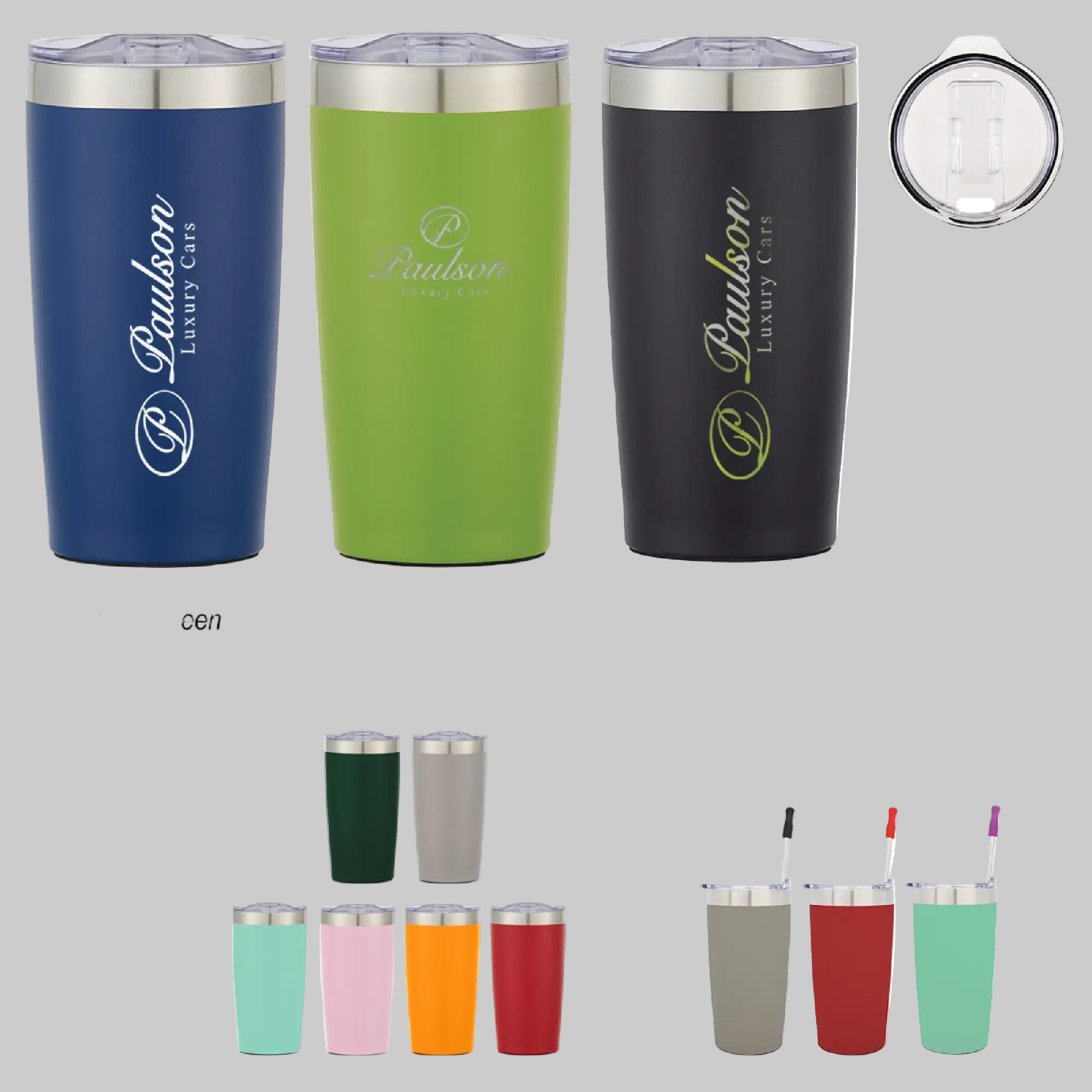
No one wants to carry a heavy, breakable mug around a trade show all day. That is why lightweight enamel camper mugs or double-walled travel tumblers are becoming popular. Attendees can use them immediately at the coffee station. A high-quality tumbler will stay on their desk for months, generating thousands of impressions.
QR codes are highly effective here. Printing a dynamic QR code on the base or handle lets you track engagement after the event. It turns a physical giveaway into a digital lead-generation tool.
Celebrating Milestones
A generic gift for a work anniversary feels impersonal. Use variable data printing to add individual names or hire dates to each mug. It shows you paid attention.
When an employee reaches a 5-year milestone, a high-end stoneware mug with "Est. 2019" and their name creates an emotional connection that a gift card cannot match.
Presentation matters. A premium mug in a cheap shipping box devalues the gesture. Investing in a custom printed gift box elevates the experience from corporate swag to a thoughtful gift.

Innovations in Mug Design
New Materials and Styles
Mug manufacturing is evolving beyond standard ceramic. There is a surge in bio-composite materials like wheat straw and bamboo fiber blends. These materials give the mug a unique, speckled look and reduce plastic usage by up to 50%. They are durable, microwave-safe, and have a matte texture that feels more premium than glossy plastic.
The "cozy" aesthetic is currently popular. Ceramic mugs with natural cork bases or silicone sleeves are in demand. A cork bottom eliminates the need for a coaster and protects desks from heat, making it a favorite for office workers. It is a functional upgrade that also serves as a design feature.
Tech Features
Smart mugs with temperature control are gaining popularity. Brands like Ember have normalized battery-powered mugs that maintain a precise coffee temperature for over an hour. For high-end corporate gifting, this is the current gold standard due to its high perceived value.
You do not need to spend $100 per unit for a tech-forward mug. Self-stirring mugs are making a comeback. They use magnetic capsules to mix instant coffee or protein powder. Newer models feature USB-C charging and stronger motors, making them useful for fitness enthusiasts.
The branding opportunity with these high-tech containers includes app integration. When you gift a premium smart mug, the user often downloads an app to control it. This creates a daily digital touchpoint with your brand, turning a coffee break into an interactive experience.
Customization Through Technology
The printing process itself is advancing. Augmented Reality (AR) is appearing on drinkware. Scanning a logo on the mug with a smartphone can trigger a 3D animation or video message. It is a unique way to deliver a thank you message or a product launch video.
NFC (Near Field Communication) chips embedded in the mug's base or handle are another innovation. Tapping a phone against the mug can open a landing page or digital business card.
This digital bridge helps track ROI. Unique QR codes or NFC chips on your custom mugs allow you to track engagement with linked digital content. You can change the destination URL seasonally, making a mug from three years ago relevant to a current promotion.
Stories Behind the Mugs: Case Studies of Success
Sourcing high-quality ceramic mugs creates a tangible connection that digital media cannot replicate. You are buying permanent real estate on someone's desk.
Companies have transformed their brand perception by upgrading the mugs they use for coffee or as new-hire gifts. When you invest in a product people want to keep, the ROI extends for years.
- Tech Startup "CodeFlow" Retention Kit: Included a matte black, heavy-bottomed mug in their onboarding box.
- "GreenEarth" Non-Profit Fundraiser: Switched from tote bags to ethically sourced ceramic mugs for the $50 donation tier.
- Local Roaster Loyalty Program: Launched a "Bring Your Own Mug" initiative selling branded travel mugs for $25.
- Real Estate Agency Closing Gift: Replaced generic wine bottles with sets of handcrafted, local-artist designed mugs.
Real-Life Examples
The classic NPR pledge drive mug is a prime example of merchandise as a status symbol. It became a badge of honor on desks nationwide, signaling support for public radio. You can achieve this by designing for the user's identity rather than just applying a large corporate logo.
Another strong example is how Glossier packaged its merchandise to feel exclusive. They did not just sell a mug; they created a limited drop that generated high demand, proving that scarcity drives value even for drinkware. Treating your branded gear like a premium product launch increases its perceived value.
Testimonials
Feedback consistently shows that weight and texture matter more to users than the size of the logo. We have seen many reviews where customers mention the "heft" of a mug as a proxy for the company's stability. A flimsy cup suggests your brand may be cheap or temporary.
One marketing director told us, "We switched from plastic travel cups to heavy ceramic diners, and clients actually started calling to thank us." The tactile experience can bridge the gap between a business transaction and a personal relationship.
Handle design is also frequently mentioned in user feedback. If the handle is uncomfortable, the mug will not be used, and your brand impression is lost.
Lessons Learned: Mistakes to Avoid
Printing a QR code on a curved surface can be problematic. We have seen many brands attempt this on a tapered mug, only to find that phone cameras cannot read the distorted code. This results in user frustration.
Ignoring the "microwave safe" requirement is another major pitfall. A metallic gold foil imprint may look premium, but it makes the mug unusable in an office microwave, a common place for reheating coffee.
Over-branding can reduce merchandise ROI. If the logo is so large that the user feels like an advertisement, they will not use it in public or on video calls. Keep the branding subtle enough to feel like a gift.
FAQs
Will the design fade or peel in the dishwasher?
Most high-quality custom mugs use sublimation, where ink becomes part of the mug's coating, not just a surface layer. This makes them generally top-rack dishwasher safe and resistant to fading. However, harsh detergents can still cause wear over time. Hand washing is the safest method for long-term preservation. Always check the specific care instructions from your supplier, as some printing methods are less durable than others.
Can I print photos on mugs?
Yes, you can print full-color photos, gradients, and complex artwork on most ceramic mugs using modern digital printing technology. This method handles details and shadows much better than traditional screen printing. The key is to provide a high-resolution image, typically 300 DPI or higher. A low-resolution image stretched to fit a mug will appear blurry and pixelated.
Is there a minimum order quantity?
Print-on-demand services have made it easy to order a single mug as a gift without requiring a large bulk purchase. While you do not need to buy in bulk, the price per mug decreases significantly with larger quantities. A single mug might cost $15-$20, while a bulk order for an office could bring the price down to $5-$6 each. The right choice depends on whether you need a personal gift or promotional items.
What is the difference between ceramic and enamel mugs?
Ceramic is the classic choice for office mugs. It is heavy, holds heat well, and has a traditional feel, but it is fragile. Enamel mugs are lightweight metal cups with a speckled coating, often seen in outdoor settings. They are very durable and will not shatter if dropped. However, because they are metal, the body of an enamel mug can get very hot. Choose ceramic for an office environment and enamel for travel or outdoor use.
How long does delivery take for custom mugs?
Since custom mugs are not pre-stocked, production time is required before shipping. This process typically includes prepping, printing, curing, and packing the mugs. Production usually takes 3 to 5 business days. With shipping time added, a standard order often arrives in about two weeks. Some suppliers offer rush services for an additional fee. We do not, so if you have a tight deadline, talk to us before you order.