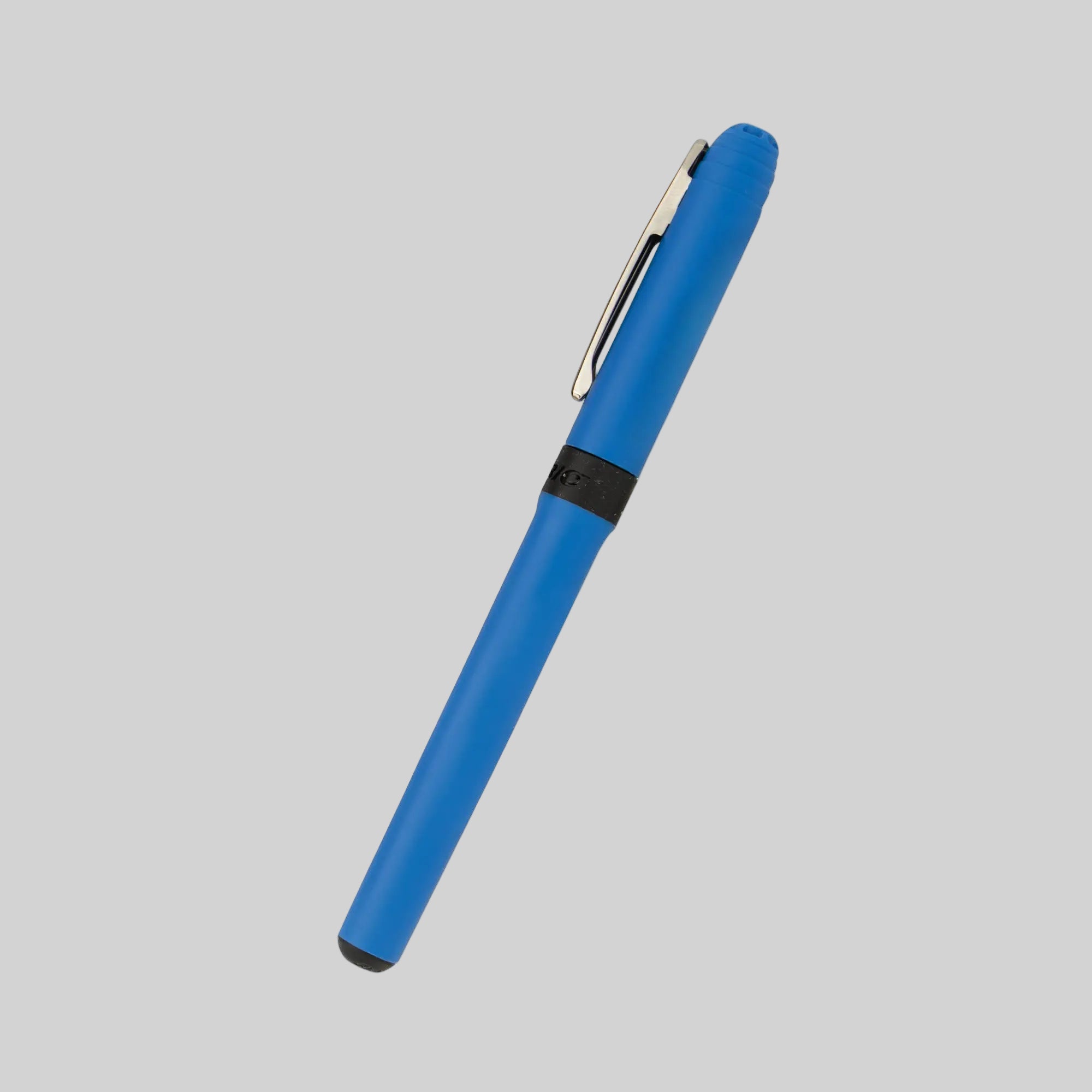
Promotional Products for Small Business: The Strategic Buyer's Guide
Effective marketing is not about tossing cheap plastic pens at anyone who walks by your booth. Many business owners assume branded merchandise is throwaway junk, but that is a missed opportunity. When you select items with real utility, you secure prime real estate in your customers' daily lives.
This strategy does not have to be expensive.
This guide will help you stop wasting your budget and start building real brand loyalty.
Key Takeaways:
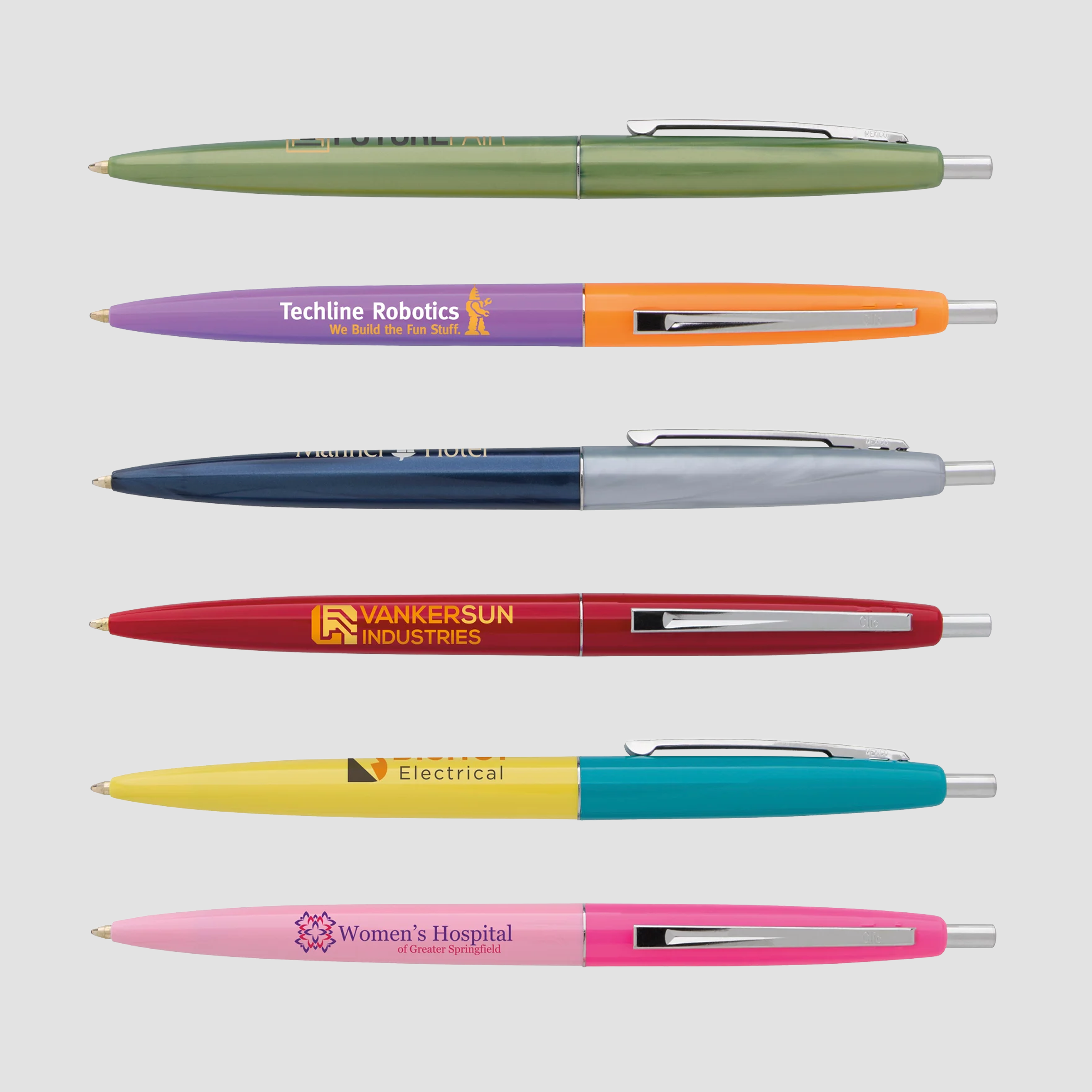
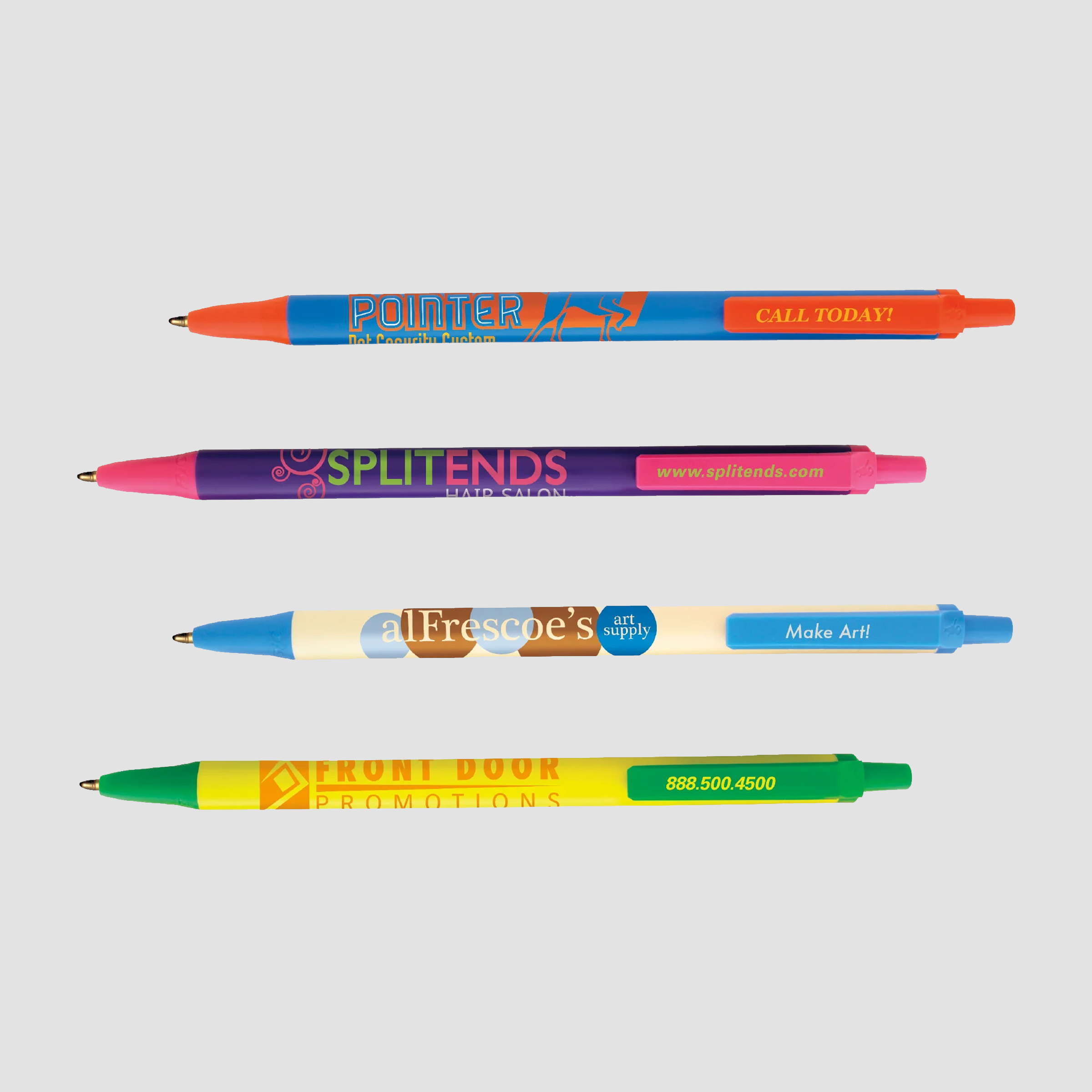
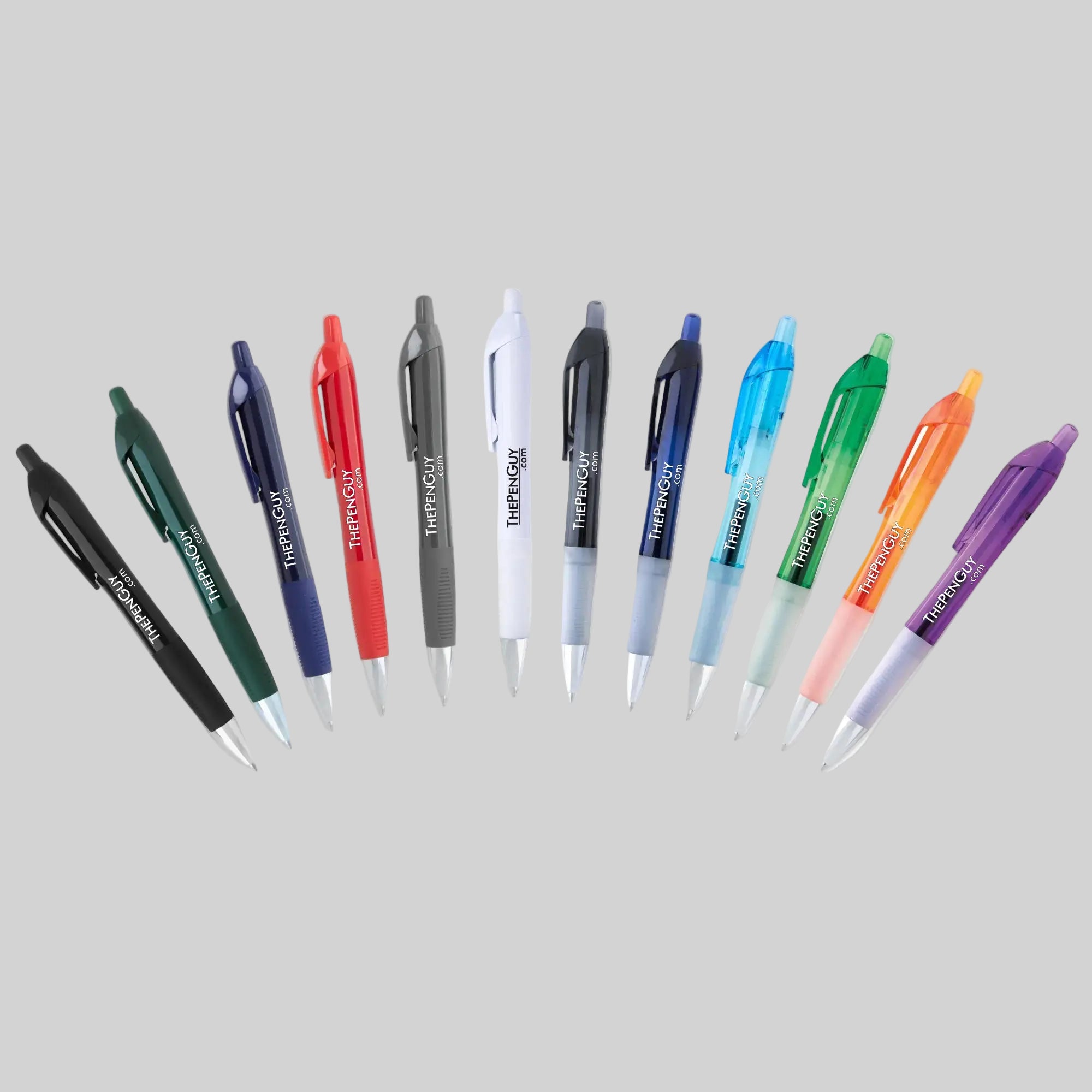
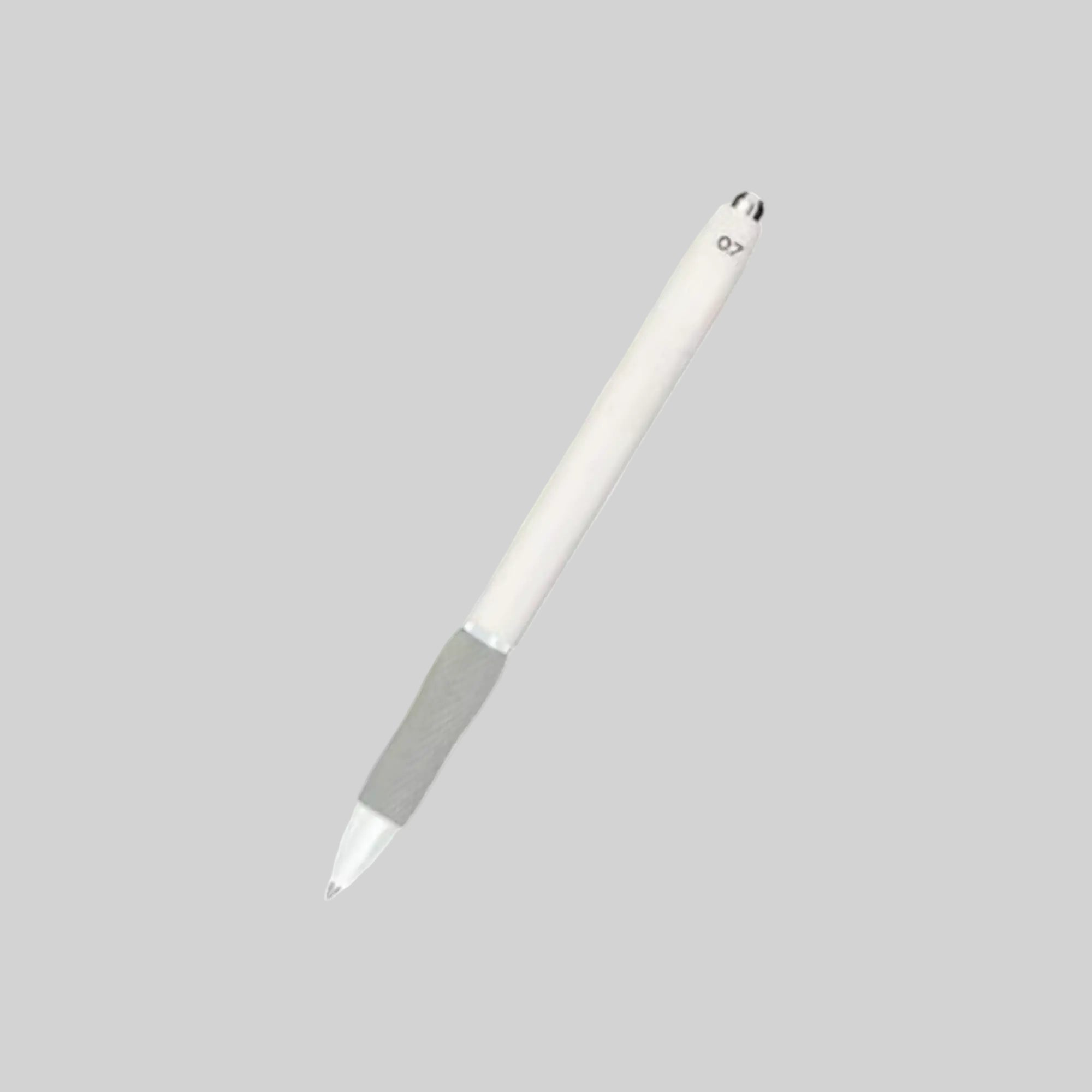
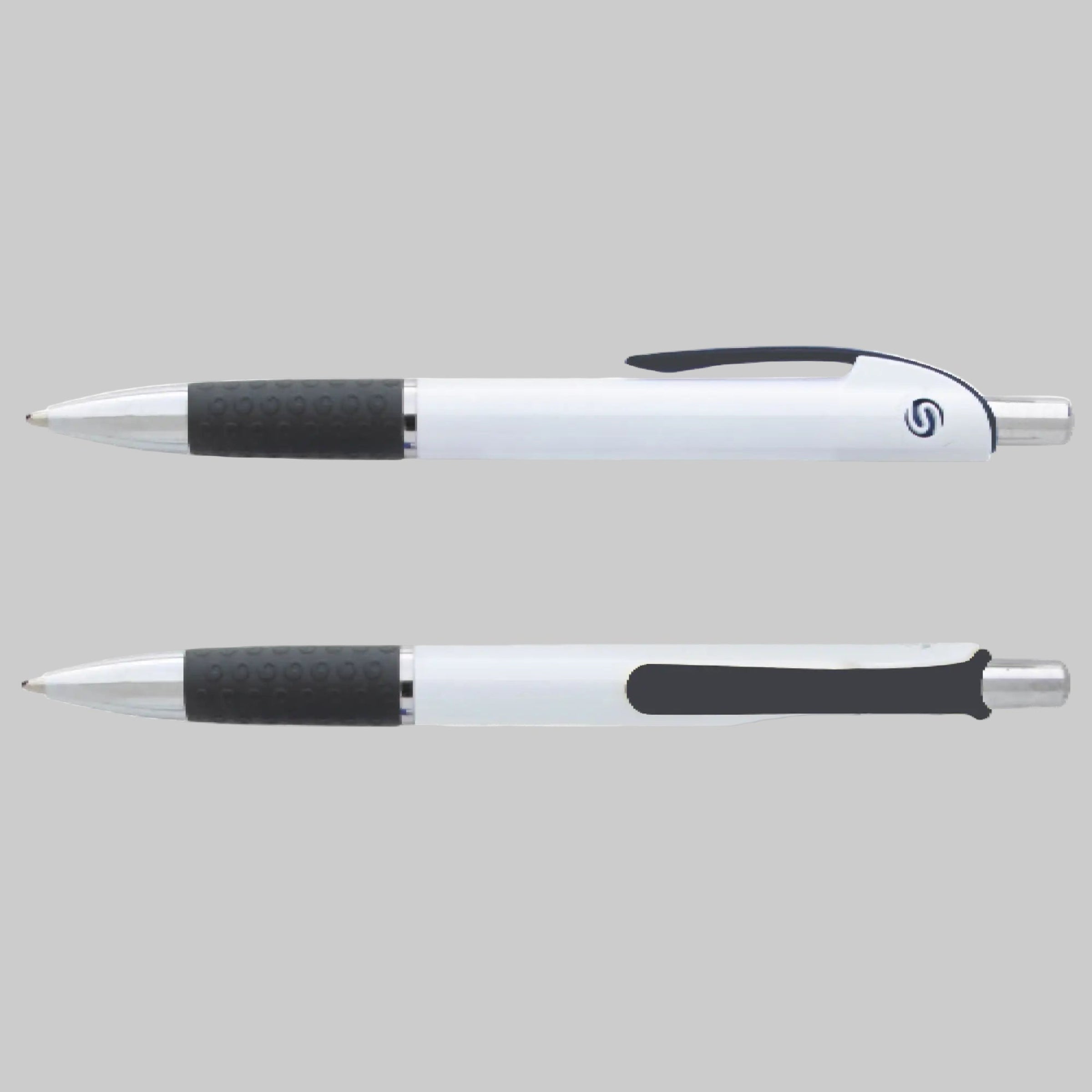
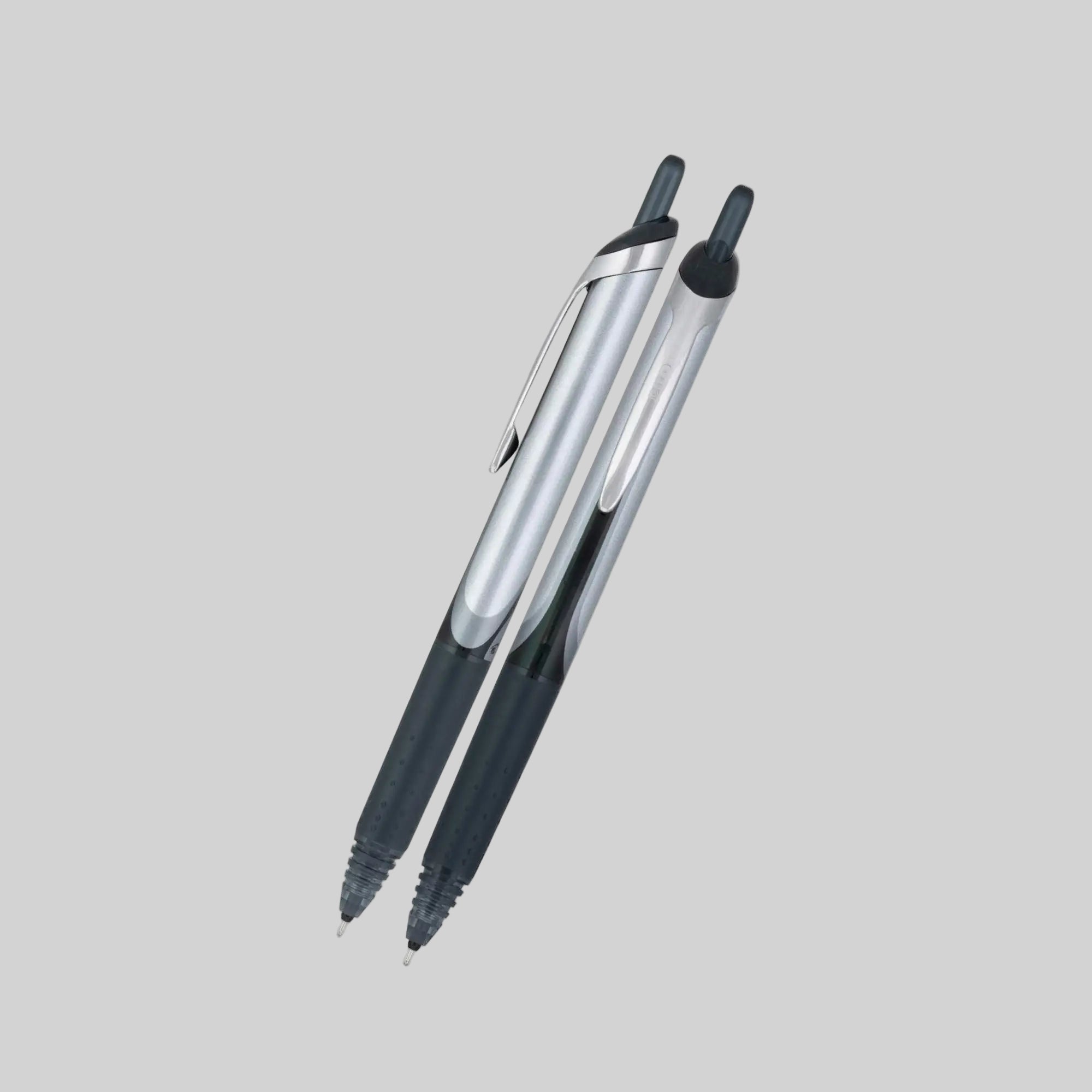
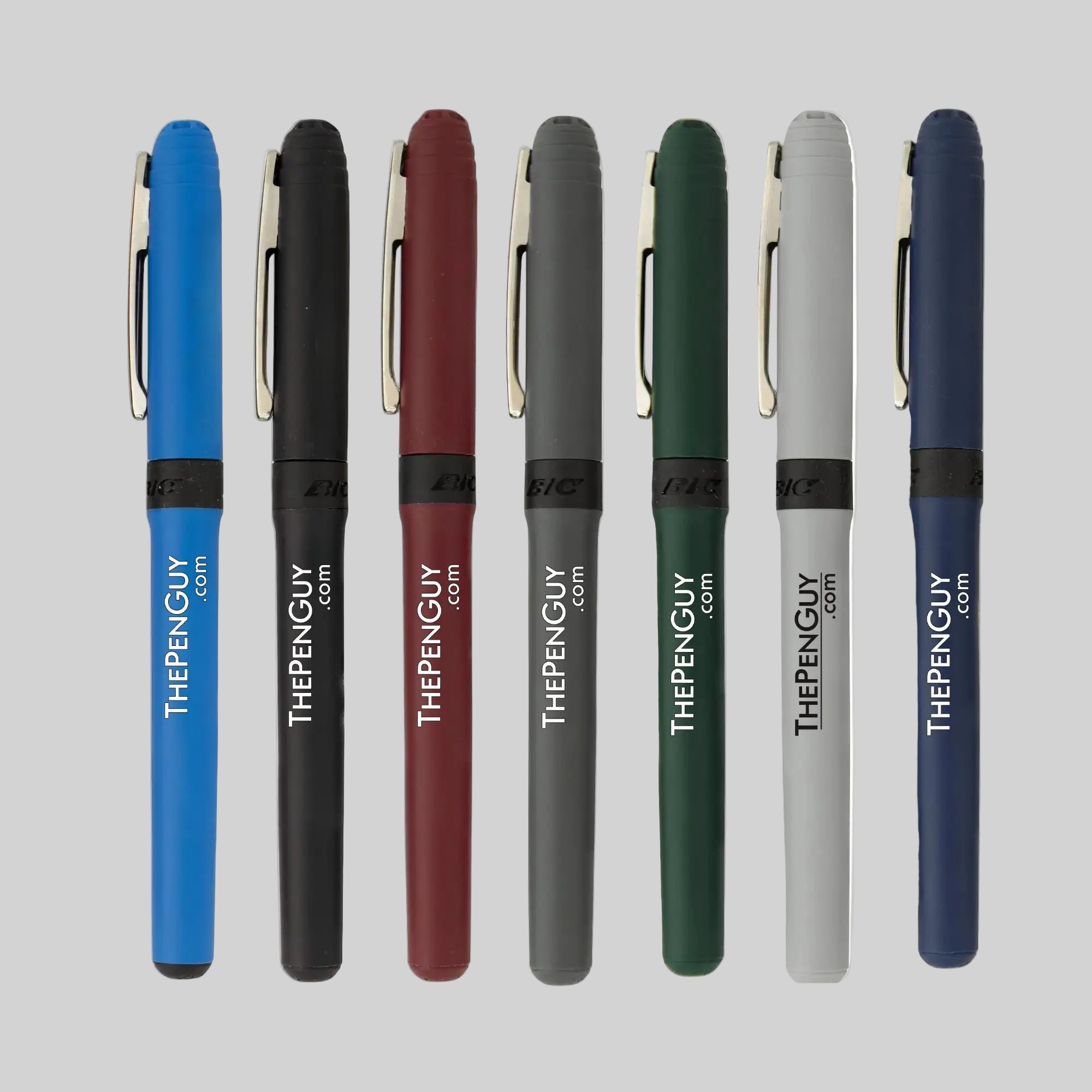
- Quality beats quantity every time. Imagine an insurance agent gives you a pen that explodes in your shirt pocket. Instead of thinking about great coverage, you would spend the day scrubbing ink and associating that failure with their brand. It is better to give fifty high-quality metal pens that write smoothly than five hundred plastic ones that crack. Quality reflects directly on your services. When you are ready to invest in quality, consider options like custom promotional pens that leave a lasting, positive impression.
- Utility is the primary goal. A durable, well-made canvas tote bag can become a walking billboard for years, even if the original company no longer exists. The item’s usefulness creates that longevity. Nobody needs another stress ball. Think about your customers' daily activities. Give them something that solves a small problem, like a reliable power bank or a solid bottle opener, and they will see your logo every time they use it.
- Ensure the product aligns with your brand. A dentist handing out branded jawbreakers is confusing. The product must connect to what you do. If you run a gym, branded water bottles or sweat towels make sense. If you are in tech, a webcam cover or a mousepad is more appropriate. When the item connects logically to your business, it reinforces your brand identity.
- Make the exchange meaningful. At trade shows, attendees often grab freebies without engaging. Leaving a bowl of items on your counter feeds this behavior instead of building relationships. Use the product as a thank you for a conversation. Handing it over personally creates a moment of connection. It changes the dynamic from taking free stuff to receiving a gift, which has a different psychological impact.
- Physical items have staying power. Digital ads disappear after a few seconds of scrolling. Physical items occupy real estate on a desk or in a car for months, sometimes years. The cost per impression on a mug used daily is a fraction of a penny. It provides far more durable exposure than a fleeting banner ad.
Why Promotional Products Still Matter
The Core Value Proposition
Tech giants with massive digital ad budgets still hand out t-shirts and stickers at conferences because physical items occupy real estate in the real world. When you give someone a high-quality pen or a solid tote bag, you buy a small billboard on their desk or shoulder. The cost per impression of a promotional writing instrument can be as low as a tenth of a cent, making pay-per-click campaigns look expensive by comparison.
You create a tangible connection that lasts. Unlike a digital ad that vanishes when a user scrolls past, a physical product demands interaction. It creates a sense of reciprocity, a psychological urge to return the favor. You give them something useful; in return, they give you their attention and loyalty.
The Strategic Value
The real value is using these items as tools for customer retention, not just acquisition. A thoughtful gift makes a client feel valued and less likely to switch to a competitor. This emotional connection turns a transactional relationship into a personal one.
When a client drinks their morning coffee from your branded mug, you become part of their daily ritual. This subconscious integration is difficult for competitors to break. It signals that you are invested enough in the relationship to spend money on them, not just send generic emails.
That is twelve months of exposure for a one-time cost. If you pick the right item, like a power bank or a high-quality notebook, you establish your brand as a helpful resource.
Boosting Brand Recognition
Repeated exposure builds trust. Every time a potential customer glances at a branded calendar on their wall, your brand is reinforced in their memory. It is passive advertising that does not disrupt their day.
When they need the service you offer, your company is the first one that comes to mind. This familiarity makes your business feel like a known quantity rather than a risk.
Do not underestimate the "walking billboard" effect. A well-designed hoodie or cap turns your customers into brand ambassadors. They carry your message into gyms, grocery stores, and coffee shops, effectively endorsing your business to new audiences.

Choosing the Right Products for Your Brand
Types of Effective Promo Products
The market has expanded beyond pens into tech gadgets, eco-friendly gear, and lifestyle items people want to keep. It is about matching the physical item to your business so it feels like a thoughtful gift, not spam.
| Product Category | Why It Works & Best Use Case |
|---|---|
| Wearables (Hats, Tees, Outerwear) | Turns customers into walking billboards. Best for events or team building where visibility is the main goal. |
| Tech Accessories (Power banks, USBs) | High perceived value and daily utility. Perfect for B2B clients who rely on their devices. |
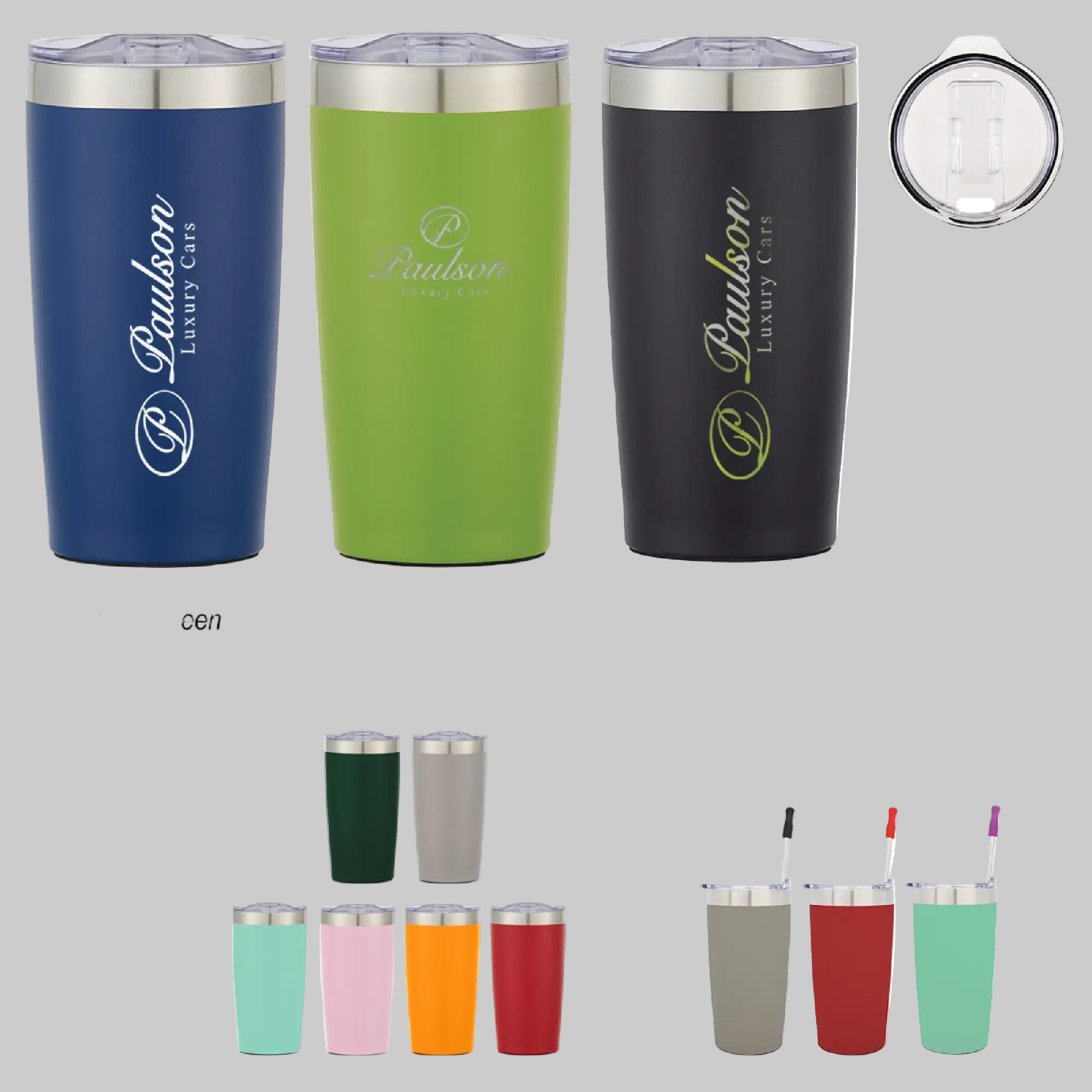
| Drinkware (Tumblers, Mugs) | Offers longevity on a desk or in a car. Great for consistent, daily brand exposure. |
| Eco-Friendly (Bamboo, Recycled) | Signals corporate responsibility. Ideal for brands connecting with values-driven demographics. |
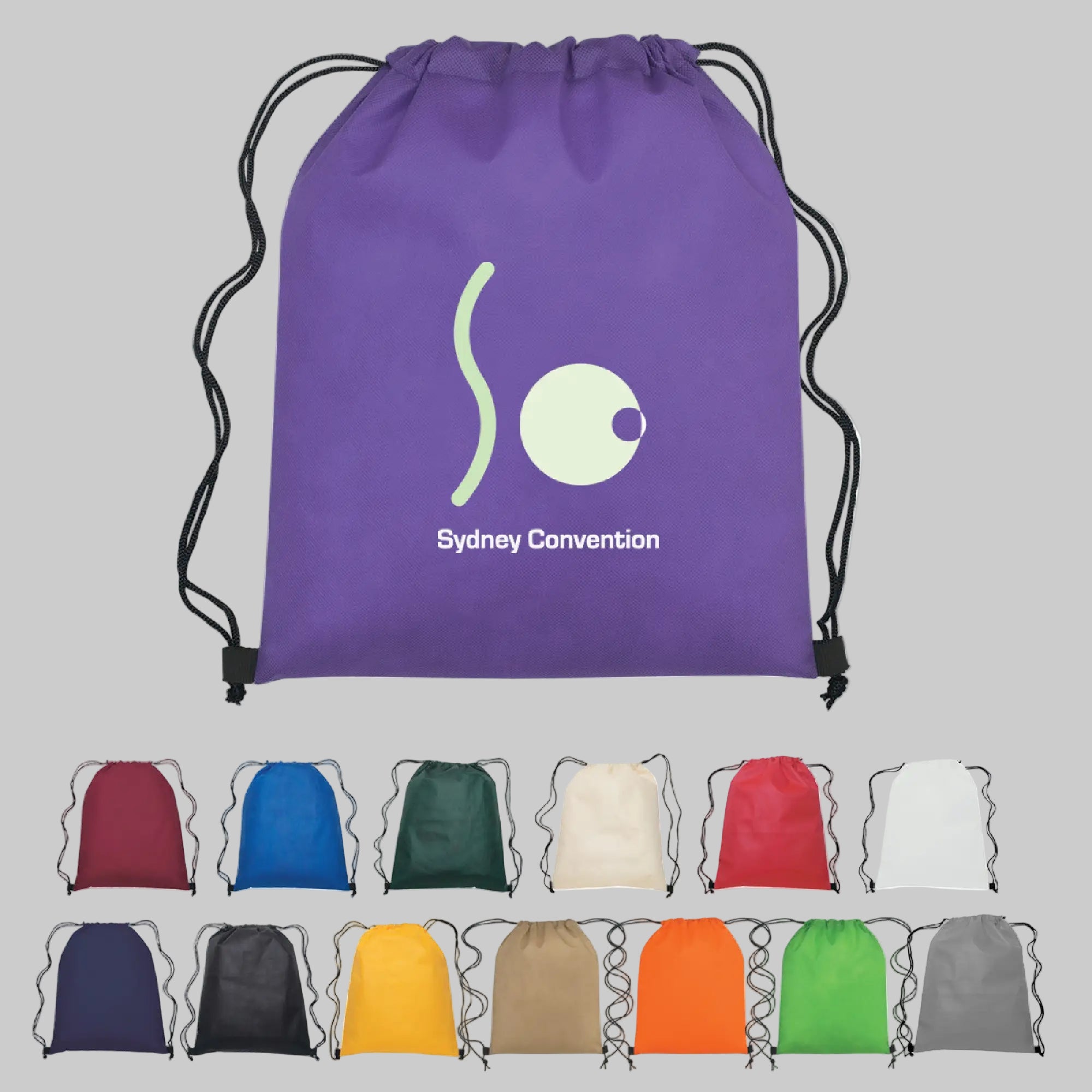
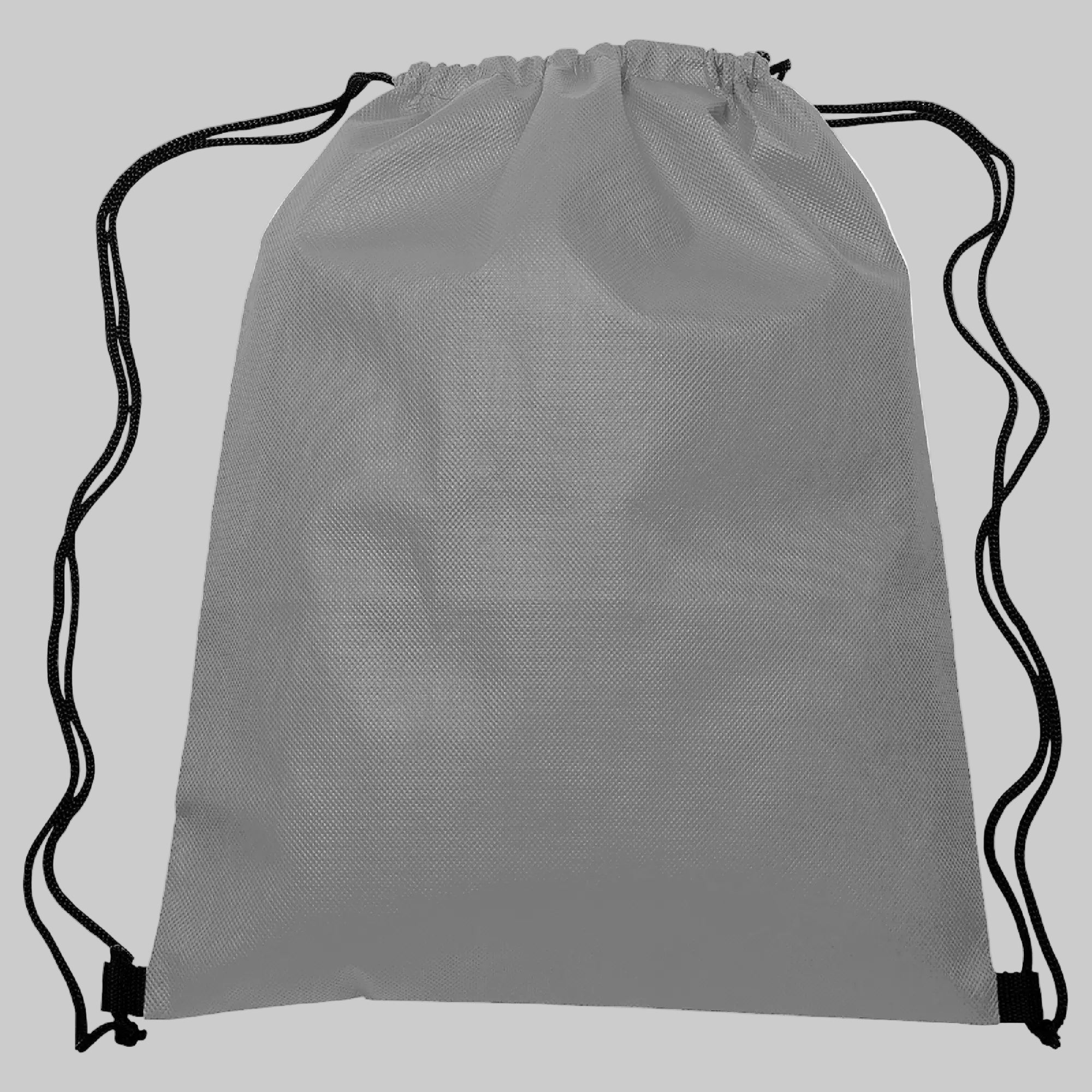
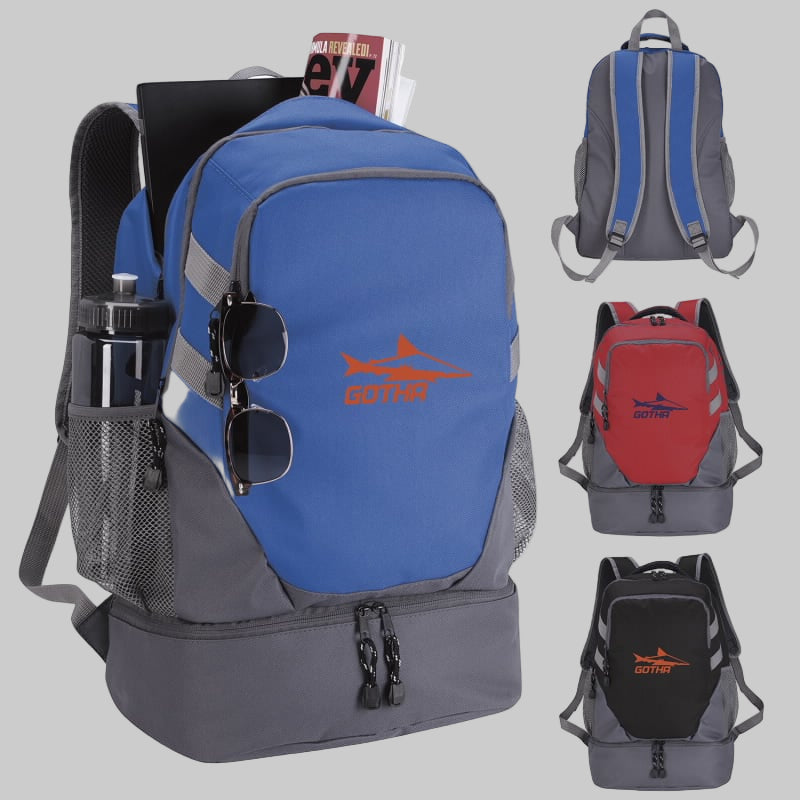
| Bags & Totes | Functional and highly visible in public spaces. Works well at trade shows where people need to carry items. |
Some of these categories overlap depending on your niche. A high-quality water bottle makes sense for a gym, while a webcam cover is more appropriate for an IT firm. Context is key.
- Apparel generates the most impressions over its lifetime.
- Writing instruments are the most affordable entry point for mass giveaways.
- Outerwear is kept the longest, often for 16 months or more.
- Recognizing the staying power of each category helps you invest your budget wisely.
Tips for Picking the Right Items
Usefulness is the number one reason consumers keep a promotional product. A quirky gag gift might get a laugh, but it will not build long-term brand loyalty. Think about what problem you can solve for your customer. A mechanic will find a heavy-duty magnetic flashlight far more useful than a pristine white notebook.
- Consider the durability of the item in relation to your brand image.
- Think about the distribution method. Shipping heavy mugs is more expensive than mailing mousepads.
- Check the imprint area size to ensure your logo is legible.
- Do not prioritize a low price point over the functional utility of the product.
Think about the "where" and "when" of the hand-off. Giving out a large umbrella at an indoor conference in a desert climate feels out of touch. Handing out branded sunscreen at a summer festival makes you look prepared and helpful. Context creates an emotional bond. When the product fits the environment, the recipient feels understood.
- Align the product with the season or upcoming holidays for better relevance.
- Ensure the item colors do not clash with your logo.
- Verify stock levels if you are planning a recurring campaign.
- Always request a physical sample before committing to a bulk order.
Quality vs. Quantity
It is better to hand out 50 high-end, soft-touch journals to qualified leads than 500 plastic trinkets that break. When a pen stops working, the user transfers that annoyance to your brand.
Budgets are a reality. You cannot always buy premium jackets for everyone. The solution is to find the highest quality item within a lower-tier category, like a premium sticker instead of a cheap t-shirt. You want the recipient to be pleasantly surprised by the item's feel. Finding high-quality, cost-effective logo products for small companies is about striking the right balance to make a positive impression.
Know Your Audience
Understanding Your Customers
Do not assume that because everyone uses pens, everyone wants a pen. A cheap plastic pen might devalue your brand in the eyes of a C-suite executive. Dig into the psychographics of your audience. Are they eco-conscious millennials who would appreciate a reusable bamboo utensil set, or busy contractors who need a heavy-duty tape measure?
It comes down to solving a small problem in their day. A tech worker might not need another mousepad but could use a webcam cover or a cable organizer. When your item becomes a useful tool, it gets kept.
Tailoring Your Products
Do not just slap a logo on a random item. The product needs to be a natural extension of what you do. A high-quality bottle opener keychain makes sense for a local brewery; a branded calculator does not. It bridges the gap between your brand promise and their physical reality.
Think about the image you want to associate with your name.
If you sell luxury real estate, handing out cheap foam stress balls sends a confusing signal about quality. You want items that mirror the experience of working with you: polished, reliable, and valuable.
Even the packaging plays a role. A premium metal pen presented in a velvet pouch has a higher perceived value than one tossed into a bag. It tells the recipient you value them, reinforcing the quality of your business services.
Feedback and Testing
You would not launch an ad campaign without checking analytics, so do not guess with physical products. Before committing to a large order, test a small batch of two different items. See which one disappears from your trade show booth first. The speed at which items are taken is honest feedback.
Or you can just ask.
Ask your top clients if they use the calendar you sent. Their feedback will save you from contributing to landfill clutter.
You can also print a unique QR code on your promo items that leads to a specific landing page or a discount. If the codes on the water bottles get hits but the ones on the frisbees do not, you have hard data telling you where to invest next year.
Executing a Successful Campaign
Buying the merchandise is just the first step. Getting it into people's hands requires a plan. Many small business owners have boxes of branded items gathering dust because they did not have a distribution strategy.
You need to create an experience that makes the recipient feel valued. Execution is the bridge between a good idea and real returns.
Step-by-Step Guide to Launching Your Promo
Launching a campaign can be straightforward if you break it down into manageable steps. You just need to know who is getting what and how it's getting there.
| The Promo Launch Checklist | |
|---|---|
| Define the "Why" | Are you thanking current clients, reactivating dormant leads, or attracting new ones? Your goal dictates the distribution method. Mailing high-end tumblers works for retention, but simple keychains are better for high-volume trade shows. |
| Sort the Logistics | Figure out the details early. If you are mailing items, do you have current addresses? If handing them out in person, who is staffing the booth? Unexpected postage costs or a shortage of shipping boxes can derail a campaign. |
| Build Anticipation | Tease the merchandise before you release it. Post a sneak peek on social media or send an email hinting that something is coming. This creates anticipation and encourages people to look for your package or stop by your business. |
| The Follow-Up | This is crucial. After they have the product, reach out a week later. Ask if they received it and if they like it. Use that conversation to pivot back to business. You now have a warm lead, not a cold call. |
Creative Ways to Use Them
Handing out items at a trade show is standard. Sending a "lumpy mail" package directly to a prospect's desk is a powerful move. People are curious about packages that are not flat, and that curiosity gets you noticed.
Instead of waiting for them to come to you, send a branded coffee kit to your top ten dream clients with a note offering to chat over a cup. It is personal and has a much higher response rate than a generic email.
You can also gamify the experience. Hide a "golden ticket" in random orders that wins the customer a bigger prize. Or run a social media contest where people post a photo using your promo product to win a discount. This turns a physical object into interactive content that spreads your name organically.
Timing It Right
Everyone sends gifts during the holidays, so your item might get lost in the noise. Consider sending something when the market is quiet. A "New Year, New Goals" kit in mid-January or a "Summer Survival" pack in July catches people by surprise.
Align your distribution with micro-holidays that fit your niche, like National Dog Day for a pet groomer. Better yet, track your clients' personal milestones. A gift arriving on their business anniversary shows you are paying attention to them specifically.

Budgeting, Costs, and Measuring ROI
The Real Deal About Costs
With inflation impacting materials and logistics, the price of custom merchandise may be higher than in previous years. It is not just the item price; hidden fees can add up. Most suppliers charge a setup fee, usually between $40 to $60, to create the printing plate for your logo. This is a one-time charge per order, so bulk orders reduce the cost per unit.
Factor in shipping and handling, which can add another 15-20% to your total bill. Also, consider decoration costs. A standard one-color imprint is often included, but extra colors or laser engraving will increase the unit cost. A pen listed for $0.85 might have a final landed cost closer to $1.10 or $1.20.
Setting a Budget
Experts suggest small businesses allocate between 7% and 8% of gross revenue to marketing. Promotional items should account for about 10-20% of that total marketing budget. It is tempting to pick the cheapest trinkets, but that can hurt your brand image. You are better off budgeting for 250 high-quality notebooks than 1,000 cheap plastic spinners.
A smart approach is to tier your budget based on the recipient. You might allocate $1-$3 per item for mass giveaways at trade shows and $25-$50 per unit for high-value client appreciation gifts. This prevents overspending on cold leads while ensuring your VIPs feel valued.
Account for the "invisible" costs of distribution. Postage and packaging for mailed items can sometimes cost more than the product itself. For in-person distribution, consider storage space and trade show drayage fees. Finding the best promotional products supplier for small business, like The Pen Guy, can help you navigate these costs and maximize your budget effectively.
Calculating ROI
Measuring the return on a physical object requires a different mindset than tracking digital ad clicks. A simple $1 promo pen is kept for an average of nine months and generates around 3,000 impressions. That breaks down to less than 1/10th of a cent per view, which is cheaper than most digital advertising.
To get a more concrete number, track engagement tied to the merchandise. You have to ask new customers how they heard about you or observe if they are using your gear. The "billboard effect" of custom items is often a slow burn that builds trust over time.
To track direct conversions, print a specific QR code or a unique landing page link (like yoursite.com/promo) on the item. This allows you to see exactly how many people are visiting from that campaign. This trick bridges the gap between the physical and digital worlds, showing you which products drive traffic.
Advanced Strategies: Turning Promos into a Profit Center
- Shift your mindset from giving away cheap items to creating retail-quality merchandise that people will buy.
- Implement a "drop" model to create scarcity and avoid holding onto unsold stock.
- Partner with local artists or complementary brands for co-branded goods that expose your business to new audiences.
- Use social commerce integrations to make it easy for customers to buy your merchandise in just a few clicks.
| The "Freebie" Approach | The Profit-Center Approach |
|---|---|
| Focuses on high quantity, low cost per unit (pens, keychains). | Focuses on high quality, higher margins (apparel, tech gear). |
| Goal is mass brand awareness and saturation. | Goal is revenue generation and building brand loyalty. |
| Often discarded or lost within months. | Kept for years and integrated into daily life. |
| Cost is 100% a marketing expense. | Cost is covered by sales, creating net profit. |
Selling Your Merch
Brands like local breweries do not just hand out t-shirts; they sell them as lifestyle apparel because people want to be part of the community. If your design is compelling, people will pay to represent you. This turns a marketing expense into a revenue stream.
You need to shift your mindset from "swag" to "merch." Swag is the cheap pen you lose, but merch is the heavy-weight hoodie you wear every weekend. When you price these items, aim for a healthy margin, usually around 30-50%, to cover production costs and generate profit.
Expanding Your Reach
Limited-time offers can increase sales by creating a sense of urgency. You do not need to stock a massive inventory. Try a "drop" model where you sell a specific design for two weeks, collect the orders, and then print them. This saves you from getting stuck with unsold items.
Collaborations are another great way to move products. Find a local artist or a complementary business and co-brand an item. You instantly double your audience by tapping into each other's customer bases.
Build anticipation before a product launch. Tease the item on social media and send an email blast to your loyal customers giving them early access. People enjoy feeling like insiders.
Using Online Platforms
Social commerce sales are projected to hit $2.9 trillion in the upcoming year. If you are not selling where your customers are scrolling, you are missing out. Platforms like Shopify integrate directly with Instagram and TikTok, letting you tag products in your posts.
This removes friction. If someone sees your employee wearing a branded beanie in a video, they should be able to tap it and buy it in three clicks or less. Do not make them hunt for a link.
User-generated content is your best friend. When a customer buys your merch and posts a photo, repost it. It acts as social proof, showing that real people like and wear your items. This encourages others to post their own photos, creating a self-feeding loop of free marketing.
Fun & Engaging Ideas to Distribute Your Products
Having boxes of branded gear gathering dust is burning money. Strategic distribution is the bridge between a wasted expense and a loyal customer. It is about finding moments where a freebie feels like a gift rather than a bribe.
Context is everything. Place your product in the customer's hands when it solves a problem for them. If it's raining, hand out umbrellas. At a hot festival, hand out fans. When the item is immediately useful, its perceived value skyrockets.
Events and Trade Shows
Most trade show attendees grab freebies without much thought. To break through the noise, gamify the experience. Instead of a bowl of pens, set up a spin-to-win wheel or a guessing game where the prize is your higher-tier merchandise. This forces interaction.
Make them earn it with a quick demo or a business card exchange. This creates a psychological value attachment, making the item less likely to be discarded.
Social Media Giveaways
Your digital audience loves free stuff. A "tag-a-friend" contest on Instagram is a fast way to expand your reach without ad spend. You are not just giving away a hoodie; you are buying engagement.
Keep the barrier to entry low enough for participation but high enough to filter out bot accounts. Asking for a user-generated photo or a creative comment yields better quality leads than a simple "like this post" instruction.
After announcing the winner, ask them to post a photo when they receive the item and tag you. This creates a second wave of content and social proof, showing your followers that real people win and enjoy your merchandise.
Partnerships and Collaborations
Find a non-competing business in your area that shares your target demographic and propose a swag swap. If you run a gym, putting your branded water bottles in the local health food store's welcome bags is a smart move. It puts your brand directly in the hands of health-conscious people.
This doubles your exposure for half the effort. The endorsement from a trusted business transfers some of that goodwill to your brand. It is a warm introduction, not a cold call.
Ensure the partnership makes sense. Co-branded items can be a huge hit if done right. A local coffee shop and a bookstore releasing a co-branded tote bag feels natural. A plumber and a sushi restaurant might be a harder sell. The alignment should feel authentic to the customer.

Pros, Cons, and Common Pitfalls
The Good Stuff
The main benefit is the staying power of these items compared to a fleeting digital ad. Your logo remains in their daily life for months, resulting in a low cost per impression.
There is also a psychological reciprocity that occurs when you give someone a physical item. The recipient subconsciously feels a need to give back, which often means listening to your sales pitch or visiting your website. It builds goodwill that a cold email cannot replicate.
The Not-So-Great Stuff
Inventory management can be a challenge. A bulk discount on 5,000 stress balls might seem appealing, but storing those boxes can be difficult. There is also the upfront cash flow hit, as promo items usually require a significant deposit.
There is also the landfill issue. A cheap or useless item will be thrown away, and your brand's reputation goes with it. Giving out low-quality junk can hurt your reputation more than doing nothing.
Timing is another potential headache. Production runs around 7 days from proof approval, and shipping adds more on top. Ordering your trade show swag two weeks before the event leaves no room for a proof revision or a shipping delay. There is no rush service to fall back on.
Learning from Mistakes
Do not try to print your entire brochure on a ballpoint pen. Cramming too much information onto a tiny surface area results in an unreadable mess. Keep it clean and simple; a logo and a URL are often enough.
Ignoring your specific audience is a classic blunder. Giving a USB drive to a Gen Z crowd that uses the cloud shows you are out of touch. Match the item to the recipient's lifestyle.
Stop buying the cheapest possible version of an item. If the pen does not write or the shirt shrinks, the user will associate that failure with your service. It is always better to buy fewer, higher-quality items.
Measuring Success Beyond Sales
Physical marketing requires a different mindset than digital marketing. You cannot track a pixel on a coffee mug, but you can still gather data. It is about shifting your focus from immediate sales to subtle shifts in brand perception.
Many small business owners give up on branded merchandise because they do not see an instant spike in revenue. The real value is in metrics that are harder to capture but more meaningful for long-term growth.
Tracking Brand Awareness
The Advertising Specialty Institute notes that a customized jacket generates around 6,100 impressions over its lifetime. You are buying a walking billboard that operates in places your digital ads cannot reach.
To track this, monitor your direct traffic and branded search volume after a major giveaway. A spike in people typing your company name directly into Google suggests your merchandise is working.
Customer Engagement
Businesses are increasingly using QR codes on physical products to bridge the offline-online gap. A code on a water bottle that leads to an exclusive contest page creates a measurable interaction point.
Engagement also appears as user-generated content. If your product is cool enough, people will post about it on social media without being asked. This provides organic reach you cannot buy.
For more granular data, use unique discount codes specific to the item. If you hand out 500 calendars with the code "CALENDAR2024" and 50 people use it, you have a clear 10% engagement rate.
Long-Term Relationships
Retention is critical for small businesses, and promotional gifting is a strong tool to improve it. It works on the psychological principle of reciprocity.
Think about the lifetime value of a client. A $15 premium tumbler that keeps a client happy for another year is a negligible investment compared to the cost of acquiring a new customer.
Consider the "desk real estate" factor. A useful item like a power bank stays on a client's desk for 12 months or longer. For an entire year, your logo is a constant presence, building a subconscious familiarity that makes it harder for competitors to poach that relationship.
The Power of Personalization
Customization Options
Slapping a logo on a cheap pen is the bare minimum. You can increase the perceived value through texture and technique. Think laser engraving on a bamboo power bank or subtle debossing on a leather journal. These methods communicate quality without being loud.
You now have full-color digital printing that can wrap around entire bottles, or custom Pantone matching to ensure your brand colors are exact. When you match the physical attributes of the product to your brand identity, recipients notice the effort.
Stand Out with Unique Designs
Instead of centering your logo on a t-shirt, try incorporating it into a larger, artistic graphic or moving it to a discreet hem tag. If the design is genuinely cool, people will wear it because they like the shirt, not just because they like you.
Breweries sell millions in merchandise because the art is fantastic. Aim for that same retail-quality feel where the promotional aspect is secondary to the aesthetic appeal.
A unique design pays off. A generic stress ball is invisible, but a stress reliever shaped like a problem your product solves sparks conversation and increases retention rates. It turns a throwaway item into a desk ornament.
Creating Emotional Connections
Seeing one's own name on a physical object triggers a psychological response. Use variable data printing to individualize every item in a campaign. Sending a client a high-end tumbler is a nice gesture, but sending one with "Sarah" laser-etched on the side transforms it from a corporate gift into a personal possession.
This signals care and attention to detail. This emotional bridge is what separates a vendor from a partner in the client's mind. When you give something that fits their lifestyle, you prove you are paying attention to them as people, not just revenue sources. That feeling of being understood builds loyalty faster than any discount code.
Seasonal Promotions
Nobody wants a heavy winter coat in July. You have to think ahead to make sure your custom merchandise lands exactly when your customers need it most.
If you hand out branded umbrellas during a drought, you are wasting money. The goal is to be relevant to your customer's current experience. By syncing your merchandise with the seasons, you become a helpful resource, not just another advertisement.
Aligning with Holidays
You do not have to stick to major holidays. Niche holidays work well. A bakery handing out branded pizza cutters on National Pizza Day is unexpected, funny, and memorable.
Do not wait until December 1st to order your holiday items. Supply chains get busy in Q4, and rush shipping fees are expensive. Plan your holiday strategy in late summer to be ready while your competitors are still scrambling.
Special Events and Milestones
Your business anniversary is a major marketing opportunity. Celebrate your 5-year or 10-year mark with limited-edition merchandise that feels exclusive, like numbered keychains or high-quality tumblers with an "Est. 2014" design.
This creates a sense of shared history with your loyal clients. Local community events are also powerful. If your town has an annual marathon, align your swag with that vibe. Moisture-wicking headbands or portable seat cushions make your brand a helpful part of their experience.
Conferences and trade shows also fall into this category. Data shows that useful items kept for over a year generate 3,400 impressions on average, so invest in tech accessories or tote bags that survive the trip home. If you give someone a portable charger when their phone is at 4%, you become a hero.
Seasonal Trends
Sustainability is a major trend. Bamboo lunch boxes, recycled cotton totes, or wheat straw pens are popular choices. Handing out cheap plastic junk today might hurt your brand image.
Wellness is another massive wave. With the focus on hydration and self-care, items like yoga mats or high-end insulated water bottles are valuable. You want your logo on something that fits into their daily routine.
Keep an eye on color trends. Pantone's Color of the Year usually dictates what looks modern. Even if your brand colors are set, you can use trendy accent colors for the product to make it feel current.
Sustainability in Promotional Products
Eco-Friendly Options
The market has expanded beyond recycled paper notebooks to include wheat straw tech accessories, pens made from recycled water bottles, and apparel spun from organic cotton. It is about swapping a disposable trinket for something like a bamboo cutting board that stays in their kitchen for years.
You can even find seed paper business cards that grow into wildflowers when planted. These options signal that your small business cares about its environmental footprint, and people notice.
How It Impacts Your Brand
When you hand someone a reusable metal straw set or a jute tote bag, you subconsciously communicate that your brand values longevity and responsibility.
Think about the last cheap plastic toy you received at a conference. It probably broke or was immediately discarded. By choosing green products, you align your brand with the values of modern consumers.
Millennials and Gen Z will verify if a brand is truly sustainable. If you claim to be eco-friendly but use excessive non-recyclable plastic packaging, they will notice. Ensure your promotional strategy is consistent, including minimal packaging and non-toxic inks.
Balancing Quality and Sustainability
While sustainable products can cost 10% to 20% more, the return on investment often balances out because people keep the items longer. A high-quality organic cotton tee that gets worn weekly offers better brand exposure than a scratchy polyester shirt that becomes a rag.
It is a calculation of value over volume. Do not blow your budget on expensive solar power banks if you can only afford ten of them. Find the sweet spot where the item feels premium and responsible while still allowing you to reach enough potential customers.
The most sustainable product is one that does not need to be replaced. Durability should be your number one metric. A metal water bottle that lasts ten years is inherently more eco-friendly than a "biodegradable" cup that falls apart after two uses. Focus on utility and lifespan.
FAQs
How Many Products Should I Order?
Ordering 5,000 pens for a small price break can lead to years of unwanted inventory. A safe bet for your first run is to estimate your direct interactions for the next three months, such as trade shows and client meetings, and add a 20% buffer for unexpected opportunities.
It is almost always better to pay a slightly higher price per unit for a smaller batch than to tie up your cash flow in inventory. Ordering 100 high-quality items creates scarcity and perceived value, whereas ordering 10,000 cheap ones suggests you are desperate to get rid of them.
What’s the Best Way to Distribute Them?
Handing out items blindly at a conference is ineffective. Instead, try the "surprise and delight" approach by slipping a high-quality item into the shipping box of a repeat customer. It feels like a gift, not a bribe.
Turn your employees into brand ambassadors by giving them extra gear to hand out when they spot an opportunity. A pair of branded work gloves given to a neighbor struggling with a project makes a bigger impact than a flyer.
Partner with complementary local businesses to create a "welcome kit" for new residents. If you are a real estate agent, putting your branded keychains in a basket with coupons from local businesses creates immediate value that people actually keep.
Can I Use Them All Year Round?
While holiday-specific items have their place, relying solely on them restricts your marketing window. You want items that stay on a desk or in a car 365 days a year. A high-quality insulated water bottle gets used at the gym in January and the beach in July, giving you more impressions for your dollar.
Your core promo strategy should rely on evergreen utility. Tech accessories like charging cables are season-proof. If you stick to one staple product, try switching up the design or color every six months to keep it feeling fresh. Even if you give someone a hoodie in the summer, they will keep it and become a walking billboard for you when the temperature drops.
Conclusion
Imagine you are in a coffee shop next week and you see someone using a keychain or notebook with your logo on it. That is tangible proof that your business has become a small part of someone's daily routine. You do not have to exhaust your marketing budget to get there. Starting with a small run of something genuinely useful is better than investing in items people will discard.
It is about making a connection that lasts longer than a 30-second ad.
Test the waters with something that fits your brand, whether it is a unique sticker or a solid water bottle. You know your customers best, so trust your judgment on what they would appreciate. If you pick something that adds a small amount of value to their day, they will likely stick around and bring their friends with them.